For decades, traditional advice has drawn a strict line: treadmills are for your heart, while yoga mats are strictly for touching your toes. Yet, halfway through a fast-paced yoga exercise, you might find yourself dripping sweat and breathing heavily, wondering if you just completed a real workout.
Your cardiovascular system actually has no idea whether you are pounding the pavement in running shoes or standing barefoot in a studio. According to exercise scientists, the human heart acts as a simple pump that responds entirely to physical effort, not activity labels. Pushing your body until holding a normal conversation becomes difficult means you have crossed your aerobic threshold, entering those elevated heart rate zones where true stamina is built.
Navigating the ongoing debate over whether yoga is cardiovascular requires recognizing that the practice covers a massive spectrum of intensities. Rather than a single uniform activity, it ranges from gentle, resting shapes on the floor to continuous, heat-building physical challenges.
Bridging the gap between basic flexibility and genuine cardiovascular health depends entirely on how you move. By examining the three specific conditions that elevate physical demand, we can uncover exactly what transforms standard fitness yoga into a heart-protecting routine.
The ‘Pump’ Perspective: What Your Heart Considers a Workout
Think about the chest-pounding sensation of climbing steep stairs. Your heart is a powerful pump, and when you engage large muscles like your quads or glutes, that pump works overtime to deliver oxygen-rich blood. This muscular demand pushes your body into higher heart rate zones, unlocking genuine cardiovascular benefits without ever stepping on a treadmill.
The easiest way to decode your breath and measure your effort without equipment is the “Talk Test.” This simple gauge reveals whether you are operating in a sustainable, oxygen-fueled state (aerobic) or a highly intense, breathless state (anaerobic). You can track your aerobic fitness during practice using these cues:
- Light: You can comfortably sing.
- Moderate: You can easily talk, but you can’t sing.
- Vigorous: You are breathing too heavily to talk.
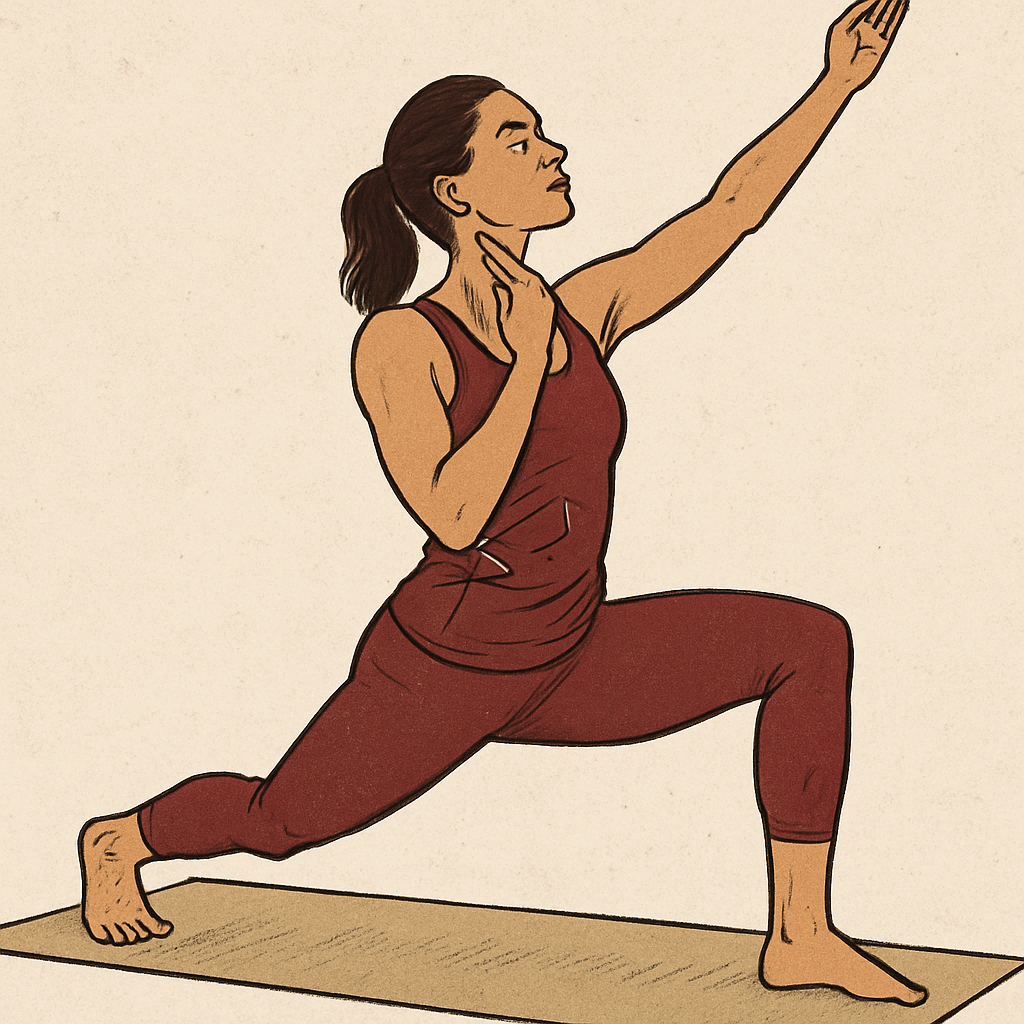
Moving from a resting hamstring stretch into a sequence of rapid lunges completely changes your physical demand. To turn a standard stretching session into a true yoga workout, you need continuous movement and muscular effort to keep your heart pumping. Recognizing this shift in your breathing sets the perfect foundation for determining your practice intensity.
Hatha to Ashtanga: Navigating the Intensity Spectrum
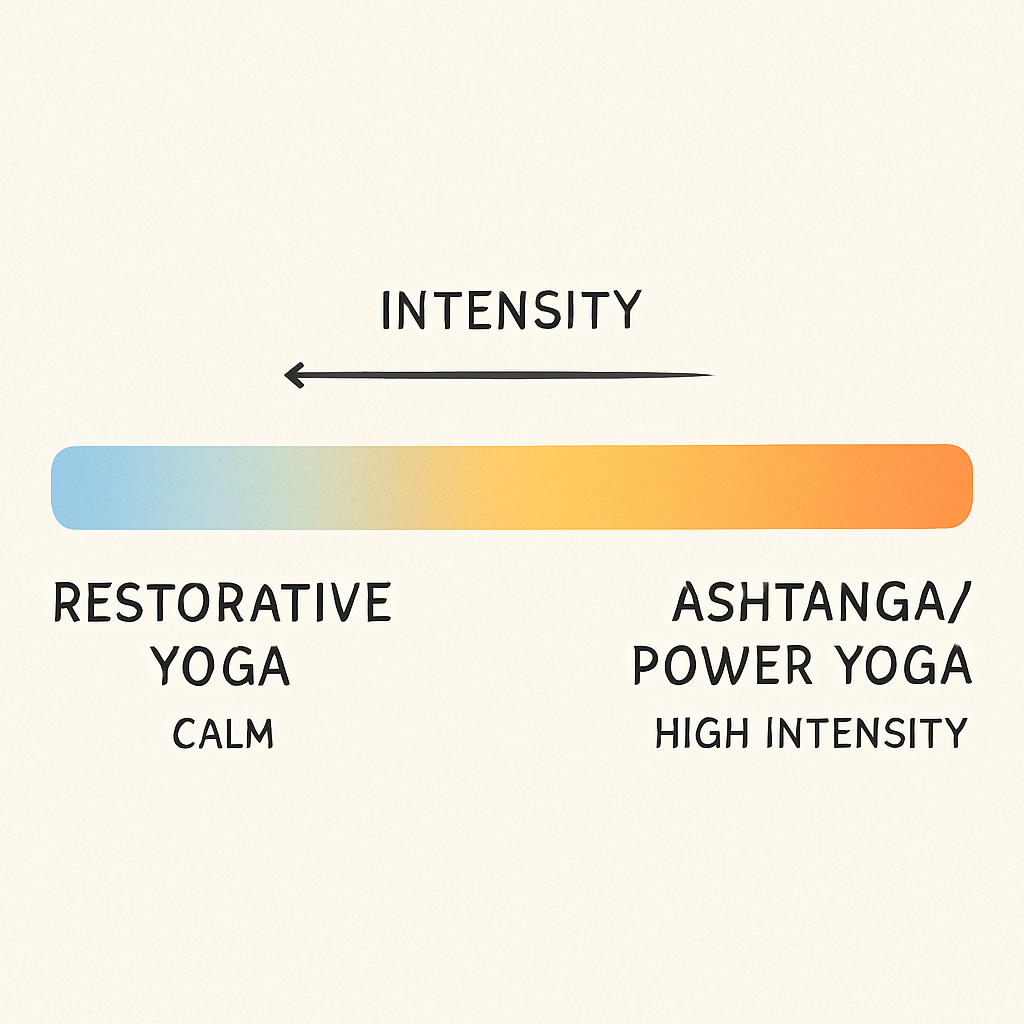
Stepping onto a mat doesn’t automatically guarantee a cardiovascular workout. Because yoga covers everything from still meditation to rigorous acrobatics, your heart’s response depends entirely on the style you choose. To build endurance, you must match your practice to the metabolic demand—essentially, how much energy your body needs to keep moving—of specific classes.
Gentle styles like Yin focus on slow holds, placing minimal stress on your cardiovascular system. People often assume heated rooms change this, asking: does hot yoga improve circulation enough to count as true cardio? While sweating heavily does elevate your pulse, this is a thermal response rather than a muscular one. Your heart is simply working harder to cool your body down, not fueling the continuous muscle contractions required to build long-term stamina.
To properly condition your heart, you need continuous, weight-bearing movement. The Ashtanga yoga metabolic demand perfectly fits this requirement. By linking challenging postures with rapid transitions, it forces your large muscle groups to engage constantly. Exercise scientists frequently highlight the benefits of power yoga for heart health, as these dynamic styles push your breathing into a moderate, aerobic zone for sustained periods.
This sliding scale of intensity empowers you to choose the right class for your physical goals. If you want a genuine workout, you need a practice built on continuous motion. Maintaining that perfect, heart-pumping pace requires finding your sweet spot in a Vinyasa flow.
Vinyasa Flow and Heart Rate Zones: Finding the ‘Sweet Spot’
Have you ever finished a series of Sun Salutations feeling like you just jogged up a flight of stairs? That breathlessness is physical proof of your heart pumping harder to deliver oxygen to your moving muscles. This continuous motion creates the sustained elevation required to hit target Vinyasa flow heart rate zones. By repeatedly lifting your body weight instead of holding static poses, you transform traditional sequences—especially sun salutations for fat burning and endurance—into a powerful aerobic engine.
Strengthening your cardiovascular system requires keeping that engine revved at a moderate intensity, meaning you can comfortably speak but cannot sing. When measuring calorie burn during yoga, fitness experts note that frequent resting causes your pulse to drop rapidly out of this active, heart-protecting window. To prevent these dips and maintain a consistent flow, rely on these 3 ways to stay in the cardio zone during Vinyasa:
- Minimize rest between sides.
- Engage the ‘Ujjayi’ breath.
- Focus on large-range transitions.
Consistent pacing ensures your heart rate remains elevated long enough to build genuine stamina. As your body adapts to this cardiovascular demand, your nervous system also shifts how it handles physical stress through the calming power of yogic breath.
The Stealth Benefit: How Yogic Breath Calms Your Inner Engine
You already know that taking a deep breath during a tense moment helps you feel calmer. That physical relief is your body engaging the parasympathetic nervous system—think of it as a built-in “brake pedal” for your heart. While a fast-paced flow revs up your engine, intentional breathing slows it back down, creating a healthy cycle of autonomic nervous system regulation.
This calming signal travels directly through the vagus nerve, a biological superhighway connecting your brain to your chest. When you lengthen your exhales, this nerve tells your blood vessels to relax, demonstrating the profound impact of yogic breathing on blood pressure. You can harness this “brake pedal” using the simple 4-7-8 breathing technique for immediate heart rate reduction:
- Inhale quietly through your nose for 4 seconds.
- Hold that breath for 7 seconds.
- Exhale completely through your mouth for 8 seconds.
Committing just five minutes daily to this practice trains your heart to operate more efficiently, even off the mat. Over time, lowering resting heart rate through breathwork provides a permanent upgrade to your cardiovascular health. With these internal mechanisms optimized, a major practical question remains: Can Downward Dog actually replace a morning jog?
Yoga vs. Running: Can Downward Dog Replace Your Morning Jog?
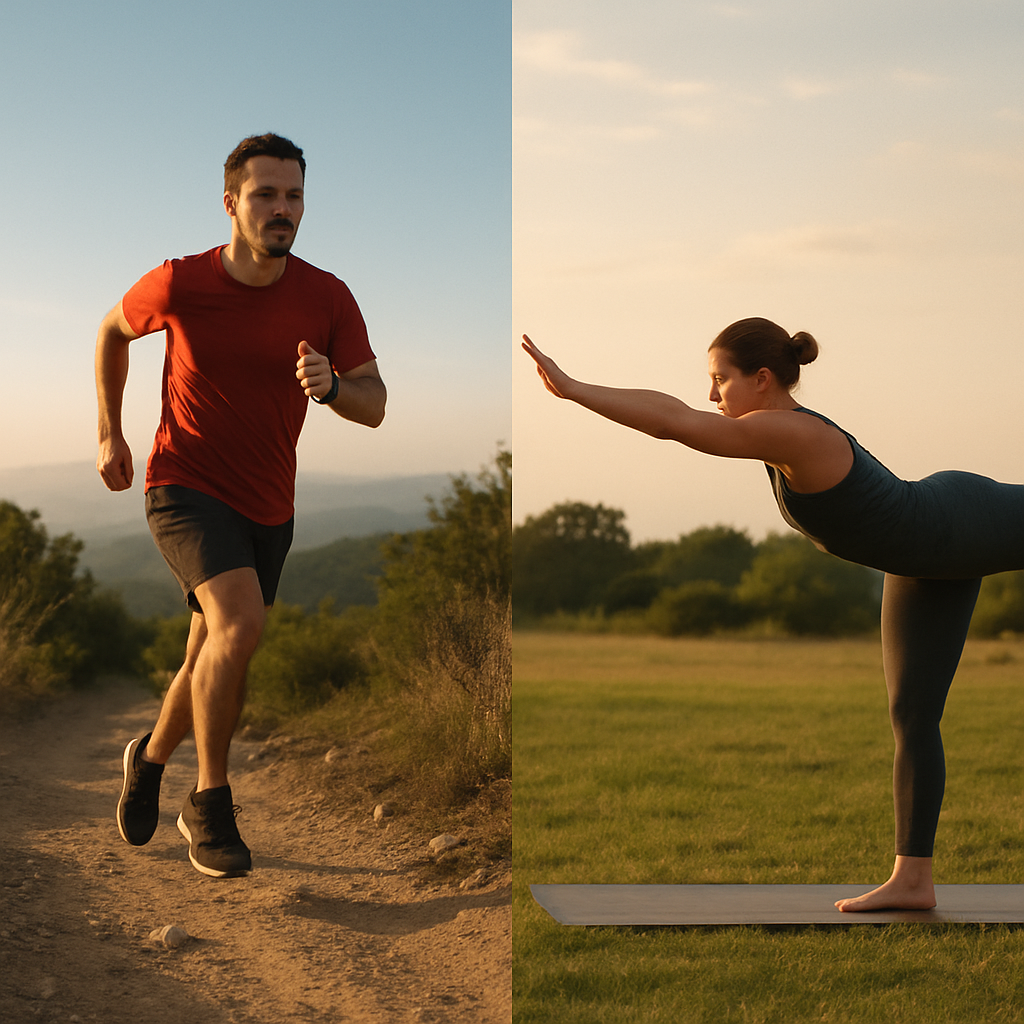
We’ve all wondered if skipping the treadmill for a mat shortchanges our heart. When debating yoga vs running for aerobic fitness, the comparison comes down to “oxygen capacity”—your VO2 max. Running is designed to push your heart near its ceiling, effectively training your body to consume massive amounts of oxygen. While a fast-paced flow elevates your heart rate, it rarely demands that same maximum oxygen intake.
Here is how the two activities compare:
- Yoga: Low impact, functional fitness (multi-directional movement), moderate cardio.
- Running: High impact, linear movement (forward only), high caloric burn.
Measuring health exclusively by breathlessness, however, misses the bigger picture. If you are asking whether yoga can replace traditional cardio workouts, consider that relying only on running often causes joint stiffness. Yoga provides functional fitness, forcing you to bear your own weight across multiple planes of motion. You can still see VO2 max improvement from regular yoga, especially by holding challenging, large-muscle postures like Warrior II that force your heart to pump harder.
Combining both activities creates the perfect physical balance. Supplementing yoga with brisk walking maximizes your endurance without the heavy pounding. But for mat-only days, you can absolutely intensify your effort by applying four clear strategies to turn your practice into a cardio powerhouse.
4 Ways to Crank the Dial: Turning Your Yoga Practice into a Cardio Powerhouse
If you frequently finish a session feeling more relaxed than challenged, and your goal is strengthening heart muscles with dynamic flows, you need to self-audit your routine for intensity gaps. You don’t necessarily need an advanced class to break a sweat; you simply need to change how your body moves through space.
Turning a gentle stretch into a true fitness yoga session relies on demanding more oxygen from your major muscle groups. When you utilize active transitions—meaning the actual movement between postures is just as engaged and controlled as the posture itself—your heart works overtime to pump blood. Here is how to increase intensity in a yoga practice:
- Deepen the lunges: Drop your hips an inch lower to recruit larger leg muscles.
- Add ‘Yoga Push-ups’ (Chaturanga): Lower halfway to the floor to engage your upper body between standing postures.
- Speed up transitions: Move fluidly from one breath directly to the next movement without resting.
- Hold active poses longer: Stay in challenging stances until you feel that familiar, warmth-building muscle burn.
Applying these specific modifications guarantees your mat time demands real cardiovascular effort. Establishing this approach simply requires following a clear, structured blueprint.
Your Heart-Healthy Yoga Blueprint
You no longer have to guess if your time on the mat actually counts for your heart. By understanding how continuous movement elevates your pulse, you can confidently turn a standard flow into a legitimate yoga workout.
To experience these yoga benefits firsthand, start using the “Talk Test” in every future class to ensure you are hitting the right intensity. If you need a sustainable blueprint to get started, try the ‘Heart-Health Weekly Mix’:
- 3 days of Vinyasa/Power Flow
- 1 day of Hatha
- 2 days of brisk walking
Commit to a consistent Vinyasa schedule, and your perspective will shift. You will realize that the right practice isn’t just a basic stretching session—it is a powerful, lifelong pillar of your cardiovascular health.