Yoga is much more than twisting your body into complex shapes or balancing on one leg. At its core, it is a profound journey of self-discovery that deeply nurtures the mind-body connection in yoga practice. While modern wellness spaces often focus heavily on physical postures, traditional teachings are rooted in a broader framework known as the eight limbs of yoga philosophy. This ancient system encompasses ethical disciplines, breath control, sensory withdrawal, and meditation, offering a comprehensive guide to living a balanced, meaningful life.
If you have ever looked at a local studio schedule or a fitness app and asked yourself, “what are the different types of yoga practices?” you are certainly not alone. With a vast array of various yogas available today, stepping onto the mat for the first time can feel incredibly overwhelming.
Whether you are looking to build core strength, heal from an injury, or simply find a moment of peace in a chaotic world, there is a class designed for you. Let’s dive deep into the diverse world of yoga to help you understand the nuances of each style and find the perfect match for your wellness journey.
What Are the Different Types of Yoga Practices?
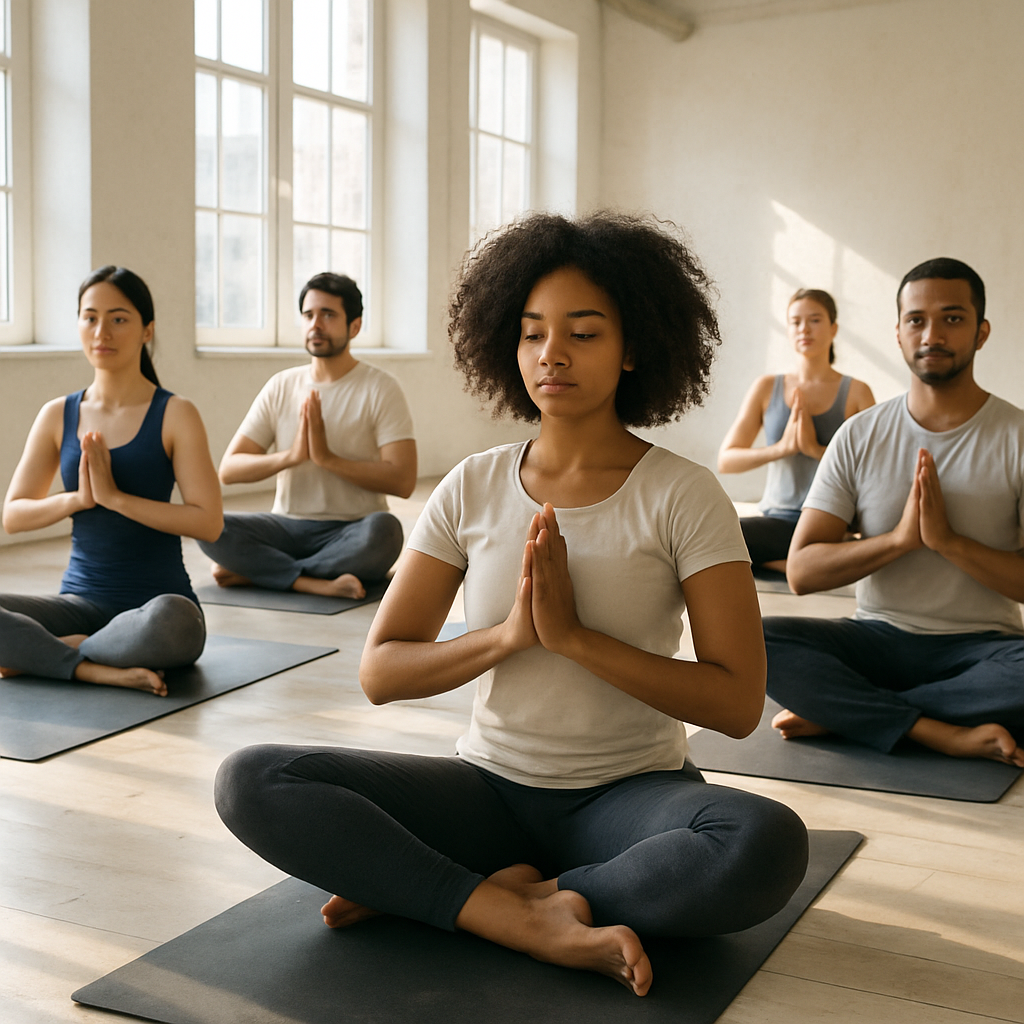
To fully grasp the landscape of modern wellness, we must first look at how this ancient tradition has branched out. Over thousands of years, the fundamental postures have been adapted, resulting in dozens of unique types of yoga. Every single yoga form offers a distinctive pathway to health. Some classes will leave you dripping in sweat, while others will have you lying blissfully on a pile of supportive cushions.
The beauty of these various yogas is their adaptability. These yoga disciplines have evolved to meet modern practitioners exactly where they are. Let’s break down the most common yoga styles so you can navigate your local studio’s schedule with absolute confidence.
Popular Yoga Styles for Beginners
If you are just starting out, diving straight into fast-paced or highly complex yoga techniques might result in frustration or injury. Instead, it is highly recommended to begin with more accessible yoga forms that prioritize foundational learning. Here are two popular yoga styles for beginners.
Hatha Yoga: Building the Foundation
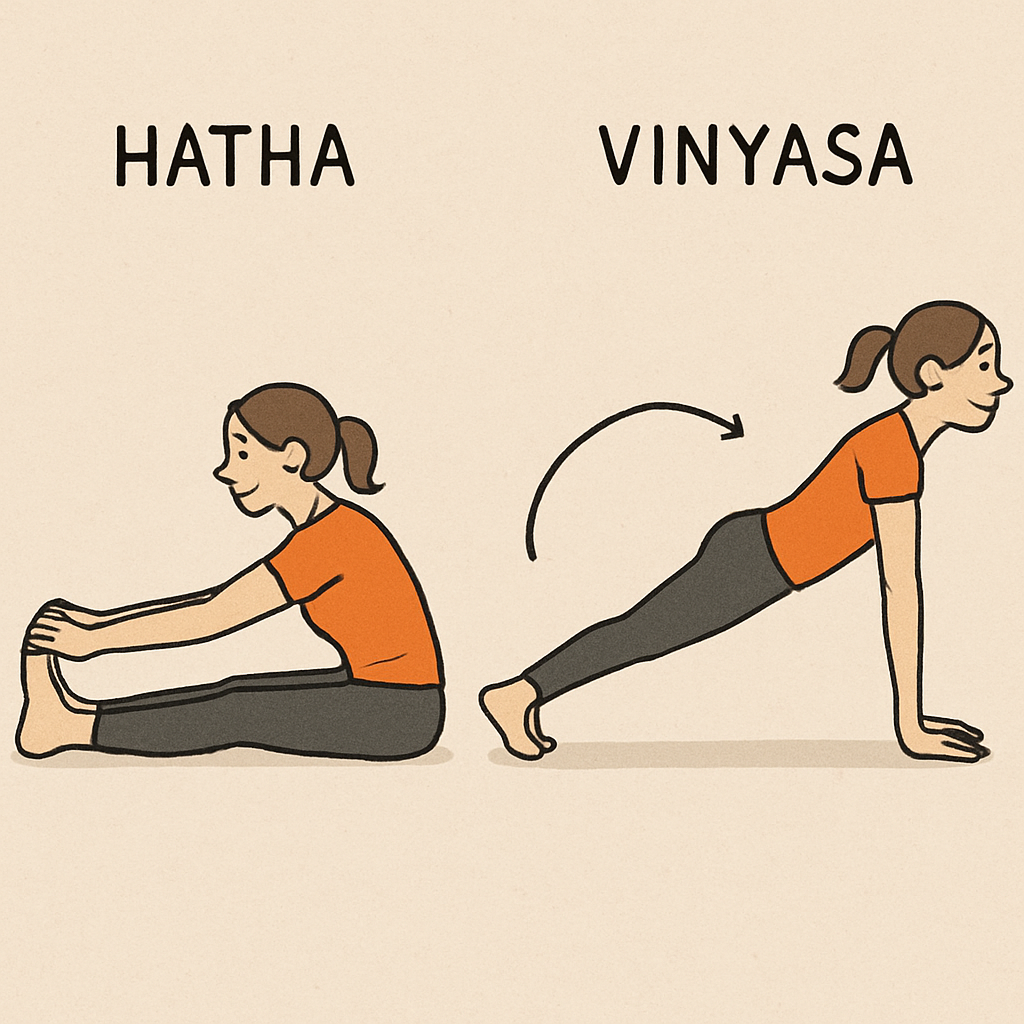
In Sanskrit, “Hatha” is actually an umbrella term that refers to any physical practice of yoga. However, in today’s modern studio context, a Hatha class typically refers to a gentle, slower-paced practice.
During a Hatha class, you will hold foundational poses (asanas) for several breaths. This allows you the time to understand the mechanics of each posture, find your balance, and focus on your breathing. Because it lacks the rapid transitions found in other styles, it is highly accessible for all ages and fitness levels.
Vinyasa Yoga: The Dynamic Flow
Often referred to as “flow” yoga, Vinyasa is the more dynamic cousin of Hatha. In this style, practitioners link their breath to their movement, transitioning smoothly from one posture to the next in a dance-like rhythm.
When evaluating vinyasa vs hatha yoga benefits, the differences are distinct. Vinyasa provides a cardiovascular workout, builds internal heat, and improves muscular endurance. Hatha, on the other hand, is excellent for mastering the basics, improving structural alignment, and calming the central nervous system. Despite their differences, both are highly effective forms of yoga for stress relief and anxiety, as they demand profound presence and focus, leaving no room for racing thoughts.
Yoga for Strength, Alignment, and Discipline
For those who want to challenge their physical boundaries, build serious muscular strength, or refine their bodily alignment, certain specialized yoga styles stand out from the rest.
Ashtanga Yoga
Ashtanga is a rigorous, highly structured, and physically demanding style. Unlike Vinyasa, where the sequence changes based on the teacher’s whim, Ashtanga involves performing the exact same sequence of postures in the exact same order every time.
The ashtanga yoga primary series for strength is world-renowned among athletes and fitness enthusiasts. It is designed to build immense internal heat, detoxify the body through sweat, and develop remarkable core strength and cardiovascular endurance. It requires discipline and consistency, making it a favorite for those who thrive on routine.
Iyengar Yoga
Founded by the legendary teacher B.K.S. Iyengar, this style is the gold standard for anatomical precision. If you are a detail-oriented person, this is the practice for you.
Practitioners utilize an array of props—such as wooden blocks, fabric straps, bolsters, and even chairs—to achieve the perfect anatomical shape in every pose, regardless of their natural flexibility. Iyengar yoga for postural alignment is incredibly beneficial for office workers who sit at desks all day, the elderly, or people recovering from injuries. By holding poses for longer periods with the support of props, practitioners correct muscular imbalances and safely restore their body’s natural symmetry.
Practices for Deep Relaxation and Flexibility
Not all yoga is about breaking a sweat or doing handstands. Sometimes, the most advanced practice you can do is simply giving your body permission to rest, heal, and let go.
Yin Yoga
Yin yoga is a quiet, meditative practice that targets the body’s deep connective tissues—specifically the fascia, ligaments, and joints—rather than the muscles. Poses are typically performed seated or lying down and are held for anywhere from three to seven minutes.
Improving flexibility through yin yoga sequences is highly effective because the prolonged, static holds gently stretch and hydrate the fascial network. This increases joint mobility, releases deeply stored physical tension, and clears energetic blockages. It is an excellent complement to high-impact sports like running or weightlifting.
Restorative Yoga
If Yin is about deeply stretching the connective tissues, Restorative yoga is about absolute, effortless relaxation. In this practice, you use an abundance of props to support your body completely, so your muscles do not have to work at all.
Engaging in restorative yoga for physical recovery allows the nervous system to seamlessly shift from the “fight or flight” sympathetic state into the “rest and digest” parasympathetic state. Spending an hour supported by soft blankets and bolsters is the ultimate antidote to modern burnout, chronic fatigue, and insomnia.
Specialized and Spiritual Yoga Techniques
Beyond the standard offerings found in gyms and traditional studios, several specialized styles cater to highly specific physical environments or spiritual aspirations.
Hot Yoga
Hot yoga is exactly what it sounds like: a vigorous sequence practiced in a room heated anywhere from 90°F to 105°F (32°C to 40°C) with added humidity.
When deciding between hot yoga vs room temperature yoga, it is important to consider your personal health. Hot yoga advocates praise the intense heat for promoting heavy sweating, elevating the heart rate, and loosening up tight muscles rapidly, which can allow for deeper stretching. However, room-temperature yoga is generally much safer for individuals with cardiovascular issues, blood pressure irregularities, or heat sensitivity, as it eliminates the risk of heat exhaustion and dehydration.
Kundalini Yoga
Often referred to as the “yoga of awareness,” Kundalini is vastly different from your typical fitness-based class. It involves a combination of chanting mantras, singing, dynamic breathing exercises, and repetitive, rhythmic physical movements called kriyas.
The goal of kundalini yoga for spiritual awakening is to tap into and release dormant, potent energy believed to be coiled at the base of the spine. By guiding this energy up through the body’s energy centers (chakras), practitioners often report experiencing heightened states of consciousness, profound mental clarity, and deep emotional releases.
Therapeutic Yoga
Therapeutic yoga represents the blending of ancient wisdom with modern medical knowledge. It is an integrative approach that customizes physical postures, breathwork, and meditation to address specific health conditions.
Today, therapeutic yoga for chronic pain management has gained immense traction in medical communities. It is frequently prescribed as a holistic, non-invasive way to alleviate conditions such as lower back pain, arthritis, fibromyalgia, and even severe migraines. Certified yoga therapists work closely with clients to ensure movements are safe, healing, and directly targeted to their ailments.
The Power of Breath: Elevating Your Practice
No matter which of the many styles you ultimately choose, your breath will always remain your most vital tool. In yoga, the physical poses are just one part of the equation; controlling the life force (prana) through breath is equally crucial.
Incorporating pranayama breathing techniques for beginners can instantly calm an erratic mind and lower stress hormones.
- Ujjayi (Victorious Breath): Often used in Vinyasa and Ashtanga, this involves breathing deeply through the nose while slightly constricting the back of the throat, creating an oceanic sound that anchors your focus.
- Nadi Shodhana (Alternate Nostril Breathing): A highly balancing technique where you close off one nostril at a time while breathing. It is known to balance the left and right hemispheres of the brain and rapidly reduce anxiety.
Mastering your breath ensures that your physical practice transcends mere physical exercise and evolves into a true moving meditation.
How to Choose the Right Yoga Style for Your Body
With such an incredible variety of options, figuring out how to choose the right yoga style for your body depends entirely on your current physical condition, mental state, and personal wellness goals.
Here are some actionable tips to help you decide:
- If you are easily stressed or overworked: Gravitate toward Restorative or Yin yoga. These practices will force you to slow down, regulate your nervous system, and prioritize mental peace.
- If you want a cardiovascular workout: Opt for Vinyasa, Hot Yoga, or Ashtanga. These will keep your heart rate up, challenge your endurance, and help you break a sweat.
- If you are recovering from an injury or suffer from poor posture: Seek out Iyengar or Therapeutic yoga. The strict attention to detail, customized modifications, and heavy use of props will keep you safe while gently rebuilding your strength.
- If you are brand new to the practice: Look for beginner Hatha classes or introductory Vinyasa flows. Focus on learning the names of the poses and understanding how to breathe properly before advancing.
- If you are seeking a deeper spiritual connection: Try Kundalini yoga. The chanting, meditation, and breathwork will take you far beyond the physical realm.
Remember, your needs may change from day to day. A seasoned yogi might practice intense Ashtanga on a Monday to build strength, and switch to gentle Restorative on a Friday to recover.
Final Thoughts on Your Yoga Journey
The world of yoga is vast, welcoming, and endlessly transformative. By taking the time to explore different styles, you empower yourself to build a wellness routine that genuinely supports your holistic health. Don’t be afraid to utilize studio introductory offers to test out a few different classes and instructors.
Ultimately, the “best” yoga practice is simply the one that keeps you coming back to your mat. Listen to your body, breathe deeply, and enjoy the incredible journey of self-discovery that awaits you.