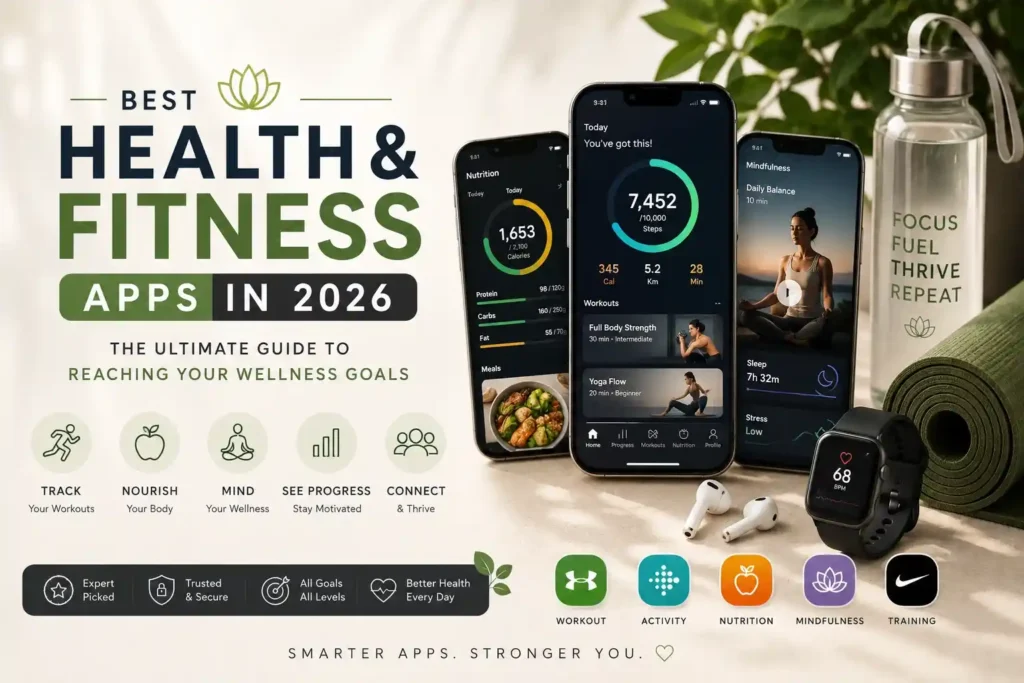
The Growing Popularity of Health and Fitness Apps
Health and fitness have entered a new digital era. What once required personal trainers, handwritten workout journals, calorie-counting notebooks, and expensive gym memberships can now be managed through a smartphone. The rapid rise of health and fitness apps has transformed the way Americans approach wellness, making personalized health management more accessible than ever before.
Today, millions of people rely on mobile apps to track workouts, monitor nutrition, improve sleep, manage stress, and measure overall health. Whether someone wants to lose weight, build muscle, run a marathon, improve mental health, or simply maintain a healthier lifestyle, there is likely an app specifically designed to help achieve that goal.
The popularity of health apps is not surprising. Modern life is busy, and people increasingly seek convenient solutions that fit into their schedules. A smartphone is almost always within reach, making it an ideal tool for supporting healthy habits throughout the day. Instead of waiting for appointments or attending scheduled classes, users can access expert guidance instantly.
The COVID-19 pandemic accelerated this trend by increasing demand for at-home fitness solutions. Even after gyms reopened, many consumers continued using digital fitness platforms because of their flexibility and convenience. This shift has permanently changed the fitness landscape, turning health and wellness apps into a multi-billion-dollar industry.
As technology continues to evolve, these applications are becoming more sophisticated. Artificial intelligence, wearable integrations, personalized coaching, and real-time analytics are making health and fitness apps more effective than ever before. For anyone looking to improve their well-being in 2026, understanding these tools is essential.
Why Mobile Fitness Solutions Are Thriving
The success of fitness apps can largely be attributed to convenience. Traditional fitness programs often require significant commitments of time, money, and travel. Mobile fitness solutions eliminate many of these barriers by bringing workouts, nutrition plans, and wellness resources directly to users’ devices.
One major advantage is flexibility. People can exercise at home, in a hotel room, outdoors, or at the gym while following app-based programs. This adaptability helps users maintain consistency, which is one of the most important factors in achieving long-term health goals.
Affordability also contributes to widespread adoption. Hiring a personal trainer can cost hundreds of dollars per month, while many fitness apps offer free versions or premium memberships at a fraction of the price. This makes expert guidance accessible to a much broader audience.
Another reason for their popularity is accountability. Many apps use reminders, streak tracking, progress charts, and achievement badges to encourage consistency. These features tap into behavioral psychology principles that help users stay motivated and engaged.
The combination of affordability, flexibility, and personalization has positioned mobile fitness solutions as powerful tools for modern wellness. They meet consumers where they are and adapt to individual lifestyles, making healthy living more achievable for millions of people.
How Technology Is Transforming Personal Wellness
Technology has fundamentally changed the way people understand and manage their health. Instead of relying solely on occasional medical appointments, individuals can now monitor various aspects of their well-being in real time.
Wearable devices such as smartwatches and fitness trackers collect data on heart rate, activity levels, sleep quality, and calorie expenditure. Health apps integrate this information into easy-to-understand dashboards that provide actionable insights. This continuous feedback helps users make informed decisions about exercise, nutrition, and recovery.
Artificial intelligence is another game changer. Many modern fitness apps analyze user behavior and provide personalized recommendations based on goals, fitness levels, and progress. Rather than following generic programs, users receive guidance tailored specifically to their needs.
Community features have also enhanced the user experience. Social challenges, leaderboards, and virtual support groups create a sense of connection and accountability. These digital communities often provide encouragement that helps users stay committed to their goals.
As health technology becomes increasingly sophisticated, fitness apps are evolving from simple tracking tools into comprehensive wellness platforms that support physical, mental, and emotional health.
Benefits of Using Health and Fitness Apps
Health and fitness apps offer a wide range of advantages that extend far beyond basic workout tracking. Their ability to combine education, motivation, accountability, and personalization makes them valuable tools for individuals at all fitness levels.
Perhaps the greatest benefit is accessibility. Regardless of age, experience, or location, users can access professional guidance and evidence-based health information from virtually anywhere. This democratization of wellness resources has helped millions of people take greater control of their health.
Apps also encourage consistency. Small daily actions often produce significant long-term results, and fitness apps are designed to reinforce these habits through reminders, progress tracking, and motivational features. Over time, these tools can help transform healthy behaviors into sustainable routines.
Convenience and Accessibility
Convenience is one of the most compelling reasons people adopt health and fitness apps. Traditional wellness programs often require travel, scheduling, and significant time commitments. Apps remove many of these obstacles by providing instant access to resources whenever and wherever users need them.
A busy professional can complete a guided workout during a lunch break. A parent can follow a home exercise routine while children are sleeping. A traveler can maintain fitness habits from a hotel room. These scenarios illustrate how apps make wellness more adaptable to modern lifestyles.
Accessibility also extends to education. Many apps include instructional videos, expert articles, meal plans, and wellness coaching. Users gain access to information that previously might have required professional consultations or expensive courses.
This convenience helps eliminate common excuses and empowers individuals to prioritize health even during demanding schedules.
Personalized Health Tracking
Personalization is one of the most powerful features of modern health apps. Instead of offering generic recommendations, many platforms tailor guidance based on individual goals, preferences, and performance data.
Users can track a variety of metrics, including:
- Steps taken
- Calories consumed
- Weight changes
- Sleep duration
- Heart rate
- Water intake
- Workout performance
This data provides valuable insights into behavior patterns and progress. For example, someone trying to lose weight may discover that sleep quality significantly affects dietary choices. Another user might notice improvements in endurance after consistently following a structured training plan.
By transforming raw data into meaningful feedback, health apps help users make smarter decisions and stay focused on long-term objectives.
Types of Health and Fitness Apps
The health app ecosystem is incredibly diverse. Different apps specialize in different aspects of wellness, allowing users to choose tools that align with their specific goals.
Workout and Exercise Apps
Workout apps are among the most popular fitness applications available today. They provide guided exercise routines, instructional videos, progress tracking, and personalized training plans.
Many platforms cater to specific fitness interests such as:
- Strength training
- Running
- Cycling
- Yoga
- HIIT workouts
- Pilates
- Home fitness
These apps often eliminate the need for expensive gym memberships while still providing structured programs and expert instruction.
Nutrition and Calorie Tracking Apps
Nutrition plays a crucial role in overall health, and tracking apps help users monitor dietary habits more effectively. These applications allow users to log meals, count calories, track macronutrients, and analyze eating patterns.
Many nutrition apps feature extensive food databases, barcode scanners, and personalized recommendations. These tools make it easier to identify areas for improvement and develop healthier eating habits over time.
Meditation and Mental Wellness Apps
Mental health is an increasingly important component of wellness, and meditation apps have experienced tremendous growth in recent years. These platforms offer guided meditations, breathing exercises, mindfulness training, and sleep support programs.
Stress management is particularly valuable in today’s fast-paced environment. Meditation apps help users develop coping strategies that improve emotional resilience, focus, and overall well-being.
By addressing mental wellness alongside physical health, these applications contribute to a more holistic approach to self-care.
Essential Features to Look for in a Fitness App
Not all fitness apps are created equal. Some offer comprehensive wellness solutions, while others focus on specific goals or activities. Choosing the right app requires evaluating key features that contribute to usability, effectiveness, and long-term engagement.
Goal Setting and Progress Tracking
Goal setting is fundamental to success. Effective fitness apps allow users to establish clear objectives and monitor progress over time.
Examples include:
| Goal Type | Tracking Feature |
|---|---|
| Weight Loss | Body weight and measurements |
| Running | Distance, pace, and time |
| Strength Training | Sets, reps, and weight lifted |
| Nutrition | Calories and macronutrients |
| Sleep | Duration and quality metrics |
Visual progress charts, milestone celebrations, and achievement badges help maintain motivation while reinforcing positive habits.
Integration with Wearable Devices
Many consumers now use wearable technology such as Apple Watch, Fitbit, Garmin, and Samsung Galaxy Watch devices. Integration between fitness apps and wearables creates a seamless health-tracking experience.
Benefits include:
- Automatic workout recording
- Real-time heart rate monitoring
- Sleep analysis
- Step counting
- Calorie expenditure estimates
This connectivity reduces manual data entry while improving accuracy and convenience.
Top Health and Fitness Apps in 2026
Several apps consistently rank among the most popular and effective wellness platforms available in the United States.
MyFitnessPal
MyFitnessPal remains one of the leading nutrition-tracking applications. Its extensive food database, barcode scanner, and nutrient analysis tools make calorie tracking straightforward and efficient.
Nike Training Club
Nike Training Club offers hundreds of guided workouts ranging from beginner-friendly routines to advanced athletic training programs. Many features remain available at no cost, making it one of the most accessible fitness apps available.
Strava
Strava is especially popular among runners and cyclists. Its social features, route tracking, performance analytics, and community challenges create a highly engaging experience.
Headspace
Headspace focuses on mindfulness, meditation, stress reduction, and sleep improvement. Its guided sessions help users build sustainable mental wellness practices.
Choosing the Right App for Your Goals
With thousands of health and fitness apps available in the Apple App Store and Google Play Store, selecting the right one can feel overwhelming. The best app is not necessarily the most popular or expensive—it is the one that aligns with your specific goals, lifestyle, and preferences. Understanding your primary objective before downloading an app can save time and increase the likelihood of long-term success.
Some users focus on weight loss, while others want to build muscle, improve cardiovascular endurance, manage stress, or enhance overall wellness. Each goal requires different tools and features. An app designed for marathon training may not be ideal for someone interested in meditation, just as a calorie-tracking app may not provide the workout guidance needed for strength development.
Consistency is another critical factor. The most effective health app is one that users enjoy enough to use regularly. A simple, user-friendly platform often produces better results than a complex application that feels overwhelming. Features such as personalized coaching, reminders, progress tracking, and community support can improve engagement and accountability.
Budget should also be considered. Many excellent apps offer free versions with robust functionality, while premium subscriptions unlock advanced features. Before committing to a paid plan, users should evaluate whether the additional tools align with their goals and provide genuine value.
Ultimately, choosing the right app involves balancing functionality, usability, and personal preference. By selecting a platform that supports specific objectives and fits naturally into daily routines, users can maximize the benefits of digital health technology.
Weight Loss and Nutrition
Weight loss remains one of the most common reasons people download health and fitness apps. Successful weight management requires a combination of nutrition awareness, physical activity, behavioral changes, and consistency. Fortunately, modern apps simplify these processes by providing comprehensive tracking and guidance tools.
The best weight-loss apps typically include calorie tracking, meal planning, food databases, barcode scanners, progress monitoring, and educational resources. These features help users understand how daily choices influence overall results. Rather than relying on guesswork, individuals can make data-driven decisions about their eating habits.
Many nutrition-focused apps also track macronutrients such as protein, carbohydrates, and fats. This additional level of detail helps users align their dietary choices with specific goals. Someone seeking fat loss may prioritize protein intake to support muscle preservation, while another individual might focus on balancing energy intake and expenditure.
Behavioral support is equally important. Successful weight loss often depends on developing sustainable habits rather than following restrictive diets. Features such as reminders, streak tracking, and coaching programs can reinforce positive behaviors and improve adherence.
Popular apps in this category include MyFitnessPal, Lose It!, Cronometer, and Noom. Each offers unique strengths, but all share a common objective: helping users develop healthier relationships with food while supporting long-term weight management goals.
Strength Training and Muscle Building
For individuals focused on increasing strength, building muscle, or improving athletic performance, specialized fitness apps can serve as valuable training partners. These platforms provide structured workout plans, exercise demonstrations, performance tracking, and progressive overload strategies that support measurable improvements.
Strength-training apps often include extensive exercise libraries with detailed instructions and video demonstrations. This feature is particularly useful for beginners who want to learn proper technique while reducing injury risk. More advanced users benefit from customizable programs and performance analytics that help optimize training.
Progress tracking is one of the most valuable components of muscle-building apps. Recording sets, repetitions, weights, and workout frequency allows users to monitor improvements over time. Seeing measurable progress can be highly motivating and encourages continued consistency.
Many strength-training platforms now incorporate artificial intelligence to personalize workout recommendations based on user performance. These adaptive systems adjust exercise selection, volume, and intensity to align with evolving fitness levels and goals.
Popular options include Strong, Fitbod, JEFIT, and Nike Training Club. Whether training at home or in a commercial gym, these apps provide structure and accountability that can significantly improve results.
Mental Wellness and Stress Management
Physical fitness receives considerable attention, but mental wellness is equally important for overall health. Stress, anxiety, sleep difficulties, and emotional fatigue affect millions of Americans each year. Mental wellness apps offer accessible tools for managing these challenges while supporting long-term psychological resilience.
Meditation apps have become particularly popular because they provide guided mindfulness exercises that fit into busy schedules. Even short daily sessions can help improve focus, reduce stress, and promote emotional balance. Many platforms also include breathing exercises, relaxation techniques, and sleep-support programs.
Sleep quality deserves special attention. Poor sleep affects nearly every aspect of health, including energy levels, cognitive performance, immune function, and weight management. Many wellness apps now include sleep meditations, bedtime stories, white noise tracks, and sleep analytics to help users establish healthier routines.
Mental wellness apps also encourage self-awareness. Features such as mood tracking and journaling help users identify emotional patterns and recognize potential stress triggers. This insight can support healthier coping strategies and improved emotional regulation.
Leading apps in this category include Headspace, Calm, Insight Timer, and Balance. Their popularity reflects growing recognition that wellness extends beyond physical fitness to include emotional and psychological health.
Common Mistakes Users Make with Fitness Apps
Despite their effectiveness, health and fitness apps are not magic solutions. Success ultimately depends on how users engage with the tools available. Many people download apps with great enthusiasm only to abandon them after a few weeks due to unrealistic expectations or inconsistent usage.
One common mistake is attempting to track everything simultaneously. Monitoring calories, workouts, hydration, sleep, stress levels, and daily activity can become overwhelming, especially for beginners. Focusing on one or two key habits initially often leads to better long-term adherence.
Another mistake involves setting unrealistic goals. Ambitious objectives can be motivating, but goals that are too aggressive may lead to frustration and burnout. Sustainable progress typically occurs through small, consistent improvements rather than dramatic transformations.
Many users also become overly reliant on data. While metrics are valuable, they should not replace intuition or professional guidance. For example, wearable devices and calorie estimations provide useful insights but are not perfectly accurate. Viewing data as guidance rather than absolute truth helps maintain a healthier perspective.
Inconsistent use is another major challenge. Downloading an app without establishing a routine rarely produces meaningful results. Integrating app usage into daily habits—such as logging meals after eating or tracking workouts immediately afterward—can improve consistency and effectiveness.
Finally, some individuals compare their progress to others within app communities. While social features can be motivating, excessive comparison may create unnecessary pressure. Personal growth should remain the primary focus, as each individual’s journey is unique.
The Future of Health and Fitness Technology
The future of health and fitness apps is incredibly exciting. Advances in artificial intelligence, machine learning, wearable technology, and digital healthcare are rapidly expanding the capabilities of wellness platforms. What currently seems innovative may soon become standard.
Artificial intelligence is expected to play a central role in personalization. Future apps may provide highly individualized recommendations based on genetics, lifestyle factors, biometric data, and real-time health monitoring. This level of customization could significantly improve outcomes by tailoring guidance to each user’s unique needs.
Wearable devices are also becoming more sophisticated. New sensors can monitor heart health, stress levels, sleep quality, blood oxygen levels, and recovery metrics with increasing accuracy. Integration between wearables and health apps will likely become even more seamless, creating comprehensive wellness ecosystems.
Virtual coaching represents another promising development. AI-powered assistants may soon deliver personalized feedback, motivational support, and adaptive training programs that rival human coaching experiences. These advancements could make expert-level guidance accessible to millions of people at a fraction of traditional costs.
Telehealth integration is another area of growth. Future health apps may connect users directly with healthcare professionals, nutritionists, therapists, and fitness coaches through secure digital platforms. This combination of technology and professional expertise could create more holistic approaches to preventive healthcare.
As innovation continues, health and fitness apps will likely become increasingly proactive rather than reactive. Instead of simply tracking behavior, they may help predict health risks, recommend preventive actions, and support healthier lifestyles before problems arise.
Conclusion
Health and fitness apps have fundamentally transformed the way people approach wellness. By combining convenience, personalization, education, and technology, these digital tools make it easier than ever to pursue healthier lifestyles and achieve meaningful goals.
Whether your objective is losing weight, building strength, improving cardiovascular fitness, enhancing mental well-being, or simply maintaining healthier habits, there is likely an app designed to support your journey. The key is selecting a platform that aligns with your needs, integrating it into daily routines, and maintaining consistency over time.
As technology continues to evolve, health and fitness apps will become even more intelligent, personalized, and effective. For millions of Americans seeking practical ways to improve their health, these tools represent one of the most powerful resources available in 2026 and beyond.
FAQs
1. Are health and fitness apps effective for weight loss?
Yes. Many health and fitness apps help users track calories, monitor activity levels, and build healthier habits, which can support sustainable weight loss when used consistently.
2. What is the best free fitness app in 2026?
Popular free options include Nike Training Club, MyFitnessPal, Strava, and FitOn. The best choice depends on individual fitness goals and preferences.
3. Do fitness apps work without wearable devices?
Absolutely. While wearables enhance tracking capabilities, most fitness apps function effectively using manual input and smartphone sensors.
4. Are meditation apps worth using?
Many users find meditation apps highly beneficial for reducing stress, improving focus, enhancing sleep quality, and supporting overall mental wellness.
5. How do I choose the right fitness app?
Identify your primary goal—such as weight loss, strength training, running, or stress management—and select an app that specializes in that area while offering features you will use consistently.