Understanding the Rise of Apparel and Activewear
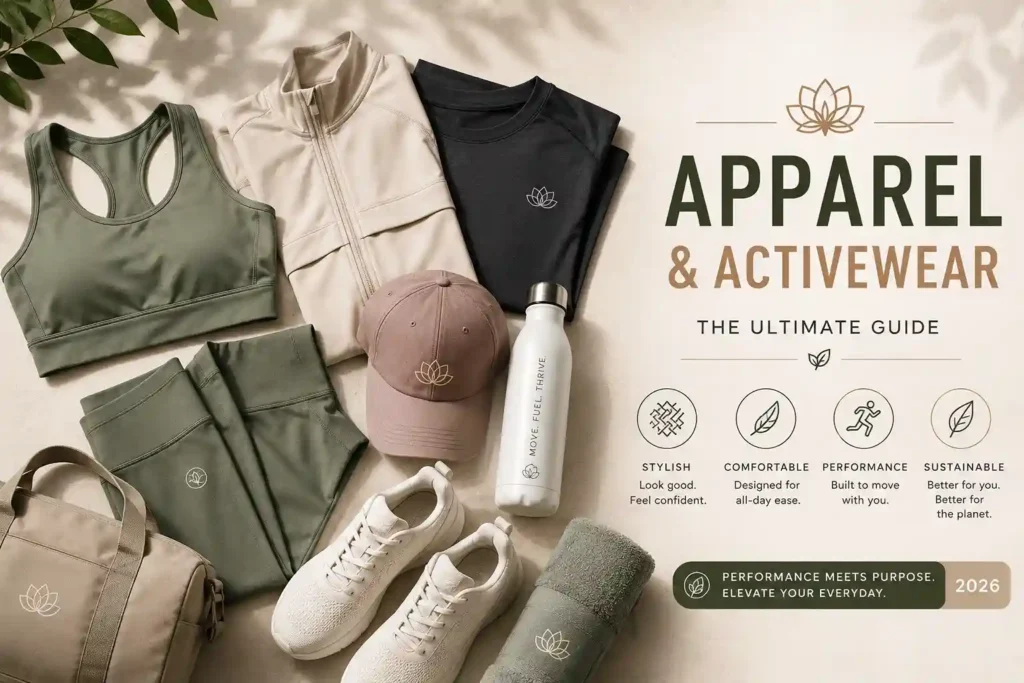
The world of apparel and activewear has undergone a remarkable transformation over the past decade. What was once limited to gym sessions and athletic training has become a major part of everyday fashion. Today, activewear is no longer reserved for workouts alone. It has evolved into a lifestyle category that combines comfort, functionality, and style, making it one of the fastest-growing segments of the fashion industry in the United States.
Modern consumers expect more from their clothing than ever before. They want garments that can move seamlessly between different parts of their day, whether they’re heading to a fitness class, working remotely, running errands, or meeting friends for coffee. Activewear fulfills these needs by offering flexibility, breathability, and performance features while maintaining a fashionable appearance.
The rise of wellness culture has also fueled the popularity of activewear. As more Americans prioritize health, fitness, and self-care, demand for clothing that supports active lifestyles continues to grow. Social media platforms have amplified this trend, showcasing stylish fitness outfits and encouraging people to embrace activewear as a fashion statement.
Major brands have responded by investing heavily in innovation. Today’s activewear includes advanced moisture-wicking fabrics, compression technology, seamless construction, and eco-friendly materials. These developments have elevated activewear from simple workout gear to an essential component of modern wardrobes.
Why Activewear Has Become an Everyday Essential
Activewear’s popularity stems largely from its unmatched versatility. Traditional clothing often requires a compromise between comfort and style. Activewear, however, bridges that gap by delivering both. This combination has made it increasingly attractive to consumers who value convenience and practicality.
The shift toward remote and hybrid work environments has further accelerated activewear adoption. Millions of Americans now spend more time working from home, where comfort is a top priority. Leggings, joggers, performance tops, and hoodies provide a polished yet relaxed alternative to traditional office attire.
Comfort technology also plays a significant role. Stretch fabrics, breathable materials, and ergonomic designs allow activewear to adapt to the body’s movements throughout the day. Whether sitting at a desk, exercising, or traveling, these garments provide consistent comfort without sacrificing appearance.
Another factor is the growing emphasis on wellness-focused lifestyles. Activewear serves as a visual reminder of health and movement. For many people, simply wearing workout clothes encourages healthier habits and increases the likelihood of engaging in physical activity.
As fashion continues to evolve, activewear remains at the intersection of performance, style, and convenience. Its ability to meet the demands of modern living ensures its place as a wardrobe staple for years to come.
The Evolution of Modern Athletic Fashion
Athletic fashion has come a long way from the basic sweatpants and oversized T-shirts of previous generations. Early sportswear focused primarily on functionality, offering limited options for style or personalization. Today’s activewear industry, by contrast, blends cutting-edge technology with sophisticated design.
Advancements in textile engineering have transformed how activewear performs. Modern fabrics can regulate temperature, wick away moisture, resist odors, and provide targeted compression. These innovations improve comfort while supporting athletic performance.
Fashion trends have also influenced activewear design. Consumers increasingly seek pieces that look as good outside the gym as they do during workouts. This demand has led to sleek silhouettes, bold color palettes, minimalist aesthetics, and collaborations between athletic brands and luxury designers.
The rise of influencer culture has further accelerated activewear’s evolution. Social media platforms showcase workout outfits as part of broader lifestyle branding, turning fitness apparel into a form of self-expression. Consumers now view activewear as an extension of their personal style rather than merely functional clothing.
This fusion of fashion and performance has created a thriving industry where innovation, comfort, and aesthetics work together to meet the needs of modern consumers.
What Defines High-Quality Activewear
Not all activewear is created equal. While many products may appear similar at first glance, significant differences exist in terms of materials, construction, durability, and performance. Understanding what distinguishes high-quality activewear can help consumers make smarter purchasing decisions and maximize value.
Premium activewear is designed to support movement while maintaining comfort and longevity. It should fit well, perform reliably, and withstand repeated use and washing. Investing in quality pieces often results in better performance, greater satisfaction, and reduced replacement costs over time.
Several key factors determine activewear quality, including fabric composition, stitching techniques, moisture management, flexibility, and overall craftsmanship. Evaluating these elements can help shoppers identify products that meet both fitness and lifestyle needs.
Performance Fabrics and Materials
Fabric technology lies at the heart of modern activewear. High-performance materials are engineered to address the unique challenges associated with physical activity, including sweat management, temperature regulation, and freedom of movement.
Popular activewear fabrics include:
| Material | Key Benefits | Best Uses |
|---|---|---|
| Polyester | Moisture-wicking, durable | Running, gym workouts |
| Nylon | Lightweight, stretchy | Yoga, training |
| Spandex (Elastane) | Flexibility and compression | Leggings, sports bras |
| Merino Wool | Temperature regulation | Outdoor activities |
| Recycled Fabrics | Sustainability benefits | Eco-conscious apparel |
Moisture-wicking technology is particularly important. During exercise, sweat must evaporate efficiently to keep the body comfortable and prevent overheating. Quality activewear fabrics pull moisture away from the skin and allow it to dry quickly.
Breathability is another critical feature. Proper airflow helps regulate body temperature during both intense workouts and everyday wear. Combined with stretch and durability, these fabric properties contribute significantly to overall performance and comfort.
Fit, Comfort, and Durability
Even the most advanced fabric cannot compensate for poor fit. High-quality activewear should feel like a second skin—supportive without being restrictive. Proper fit enhances movement efficiency, reduces distractions during exercise, and improves overall confidence.
Comfort depends on several design elements, including seam placement, waistband construction, fabric softness, and garment structure. Flatlock seams, for example, help minimize chafing during repetitive movements. Wide waistbands often provide additional support and stability.
Durability is equally important. Activewear experiences considerable stress through stretching, sweating, washing, and repeated use. Quality garments maintain their shape, elasticity, and appearance over time. Reinforced stitching and premium fabrics contribute significantly to longevity.
Consumers should also consider versatility. Well-designed activewear performs effectively across multiple activities, making it a practical addition to any wardrobe. Choosing durable, comfortable, and adaptable pieces often results in greater long-term value than focusing solely on price.
Popular Activewear Categories
The activewear market offers a wide range of products designed for different activities, preferences, and lifestyles. Understanding the most common categories can help shoppers build a wardrobe that supports both fitness goals and everyday comfort.
Each category serves specific purposes while contributing to overall versatility. From leggings and sports bras to jackets and performance tops, modern activewear combines specialized functionality with stylish design.
Leggings and Joggers
Few activewear items have achieved the popularity of leggings and joggers. These versatile garments have become staples for workouts, travel, errands, and casual wear.
Leggings offer exceptional flexibility and support, making them ideal for activities such as yoga, Pilates, strength training, and walking. Features like high-rise waistbands, compression technology, and moisture-wicking fabrics enhance both performance and comfort.
Joggers provide a relaxed alternative while maintaining athletic appeal. Their tapered design creates a polished appearance suitable for both fitness and casual settings. Many consumers appreciate joggers for their versatility, particularly during cooler seasons.
Modern options include:
- High-waisted leggings
- Compression leggings
- Seamless leggings
- Performance joggers
- Fleece-lined joggers
- Hybrid athleisure pants
The popularity of these garments reflects the broader trend toward clothing that supports movement while fitting seamlessly into everyday life.
Sports Bras and Performance Tops
Sports bras are among the most important components of women’s activewear. Proper support can improve comfort, reduce discomfort during exercise, and enhance overall workout performance.
Different activities require varying levels of support. Low-impact options work well for yoga and stretching, while high-impact sports bras are designed for running and intense training sessions. Selecting the appropriate level of support is essential for both comfort and safety.
Performance tops have evolved significantly as well. Features such as moisture management, ventilation panels, anti-odor treatments, and ergonomic designs improve functionality during exercise. Many styles are versatile enough to transition from workouts to casual wear.
Consumers increasingly prioritize both performance and aesthetics when choosing these garments. As a result, brands continue developing products that balance support, comfort, and style in equal measure.
Hoodies, Jackets, and Outerwear
Outerwear has become one of the most influential segments within the activewear industry. Once considered simple layering pieces for warming up before exercise, hoodies, jackets, and performance outerwear now serve both functional and fashion-forward purposes. In the United States, where weather conditions can vary dramatically across regions and seasons, having versatile outerwear is essential for maintaining comfort while staying active.
Modern hoodies have evolved far beyond their original athletic roots. Today’s designs feature moisture-wicking fabrics, lightweight insulation, four-way stretch materials, and sleek silhouettes that fit naturally into both workout and casual wardrobes. Whether heading to the gym, running errands, or traveling, a quality hoodie offers comfort and style without appearing overly casual.
Performance jackets are equally important. Runners, cyclists, hikers, and outdoor fitness enthusiasts rely on technical jackets that provide protection against wind, rain, and cold temperatures while remaining breathable. Many premium options incorporate water-resistant coatings, ventilation zones, and packable designs that enhance convenience and portability.
The growing popularity of athleisure has also influenced outerwear trends. Consumers increasingly seek pieces that complement their active lifestyles while maintaining a polished appearance. As a result, brands now create jackets and hoodies that pair effortlessly with leggings, joggers, jeans, and even business-casual outfits.
Investing in quality outerwear can significantly improve both comfort and performance. A well-designed jacket not only protects against environmental conditions but also encourages consistency in fitness routines by making outdoor activities more accessible throughout the year.
Activewear for Different Fitness Activities
One of the biggest mistakes consumers make is assuming that all activewear serves the same purpose. Different fitness activities place unique demands on the body, and the most effective apparel is designed with those demands in mind. Selecting activity-specific activewear can improve comfort, performance, and overall enjoyment.
Whether participating in strength training, running, yoga, cycling, or recreational sports, wearing the appropriate apparel allows the body to move efficiently while minimizing distractions. The right clothing supports movement patterns, regulates temperature, and helps athletes remain focused on their goals.
Gym and Strength Training
Strength training requires clothing that supports a wide range of movement while remaining durable under repeated stress. Exercises such as squats, lunges, deadlifts, and overhead presses demand flexibility and stability, making fabric selection particularly important.
For gym workouts, many fitness enthusiasts prefer moisture-wicking shirts, compression shorts, leggings, or joggers that stay in place during movement. Stretch fabrics allow unrestricted motion while maintaining support. Durable materials are especially important because resistance training can place significant strain on seams and garment construction.
Breathability also matters. Intense lifting sessions can generate substantial body heat, making ventilation features highly desirable. Mesh panels, lightweight fabrics, and sweat-management technology contribute to a more comfortable workout experience.
Footwear compatibility should also be considered. Athletic apparel should complement the specific demands of strength training shoes, helping create a cohesive and functional workout outfit.
The goal is simple: eliminate distractions. When activewear fits properly and performs effectively, athletes can focus entirely on training rather than adjusting clothing or dealing with discomfort.
Running and Cardio Workouts
Running and cardiovascular activities place unique demands on apparel. Repetitive movement, increased perspiration, and varying weather conditions require specialized clothing that prioritizes comfort and performance.
Lightweight fabrics are essential for runners. Heavy materials can become uncomfortable over longer distances, particularly during warmer months. Moisture-wicking technology helps regulate temperature by moving sweat away from the skin, reducing irritation and preventing excessive moisture buildup.
Visibility is another important factor. Reflective elements improve safety for individuals who run during early morning or evening hours. Many performance garments now include reflective logos, trims, and patterns that enhance visibility in low-light conditions.
Running-specific apparel often incorporates features such as:
- Flatlock seams to reduce chafing
- Secure pockets for essentials
- Lightweight construction
- Ventilation zones
- Compression support
Weather-specific gear also plays a significant role. Lightweight windbreakers, thermal layers, and water-resistant jackets help runners stay comfortable regardless of environmental conditions.
Choosing running apparel based on climate, distance, and personal preferences can significantly improve overall performance and enjoyment.
Yoga and Low-Impact Exercise
Yoga and low-impact fitness activities require apparel that emphasizes flexibility, comfort, and unrestricted movement. Unlike high-intensity workouts that prioritize compression and support, yoga clothing must allow the body to move freely through a variety of poses and stretches.
Leggings remain one of the most popular choices for yoga practitioners because they provide flexibility while maintaining coverage. High-waisted designs are particularly favored because they stay in place during movements such as forward folds, inversions, and twists.
Fabric softness is especially important in yoga apparel. Many practitioners prefer buttery-soft materials that feel comfortable against the skin while providing gentle compression. Seamless construction can further enhance comfort by reducing irritation during extended sessions.
Breathability also contributes to a positive experience. Although yoga may not always involve intense cardio activity, heated yoga classes and longer sessions can still generate significant perspiration. Moisture-wicking materials help maintain comfort throughout practice.
The best yoga apparel often feels almost invisible, allowing practitioners to focus entirely on movement, breathing, and mindfulness rather than clothing adjustments.
The Athleisure Trend
Few fashion movements have reshaped modern wardrobes as dramatically as athleisure. This trend combines athletic apparel with everyday fashion, creating versatile outfits that prioritize comfort without sacrificing style. In the United States, athleisure has evolved from a temporary trend into a long-term lifestyle shift.
The appeal of athleisure lies in its practicality. Modern consumers want clothing that adapts to multiple situations throughout the day. Athleisure delivers exactly that by blending performance features with contemporary design aesthetics.
This trend has influenced not only fitness brands but also luxury fashion houses, retailers, and mainstream apparel companies. As the lines between activewear and casual wear continue to blur, athleisure remains one of the most dominant forces in fashion.
From Workout to Everyday Wear
One of athleisure’s greatest strengths is its ability to transition seamlessly between activities. A person can wear leggings and a performance top to a morning workout, add a stylish jacket afterward, and remain appropriately dressed for errands, meetings, or social gatherings.
This versatility appeals particularly to busy professionals, parents, students, and travelers. Rather than changing outfits multiple times throughout the day, consumers can rely on multifunctional clothing that supports a variety of activities.
Brands have embraced this demand by designing apparel that balances technical performance with fashionable details. Clean lines, neutral color palettes, premium fabrics, and tailored silhouettes make activewear suitable for a wide range of environments.
The convenience factor cannot be overstated. As lifestyles become increasingly dynamic, consumers appreciate clothing that simplifies daily routines while maintaining both comfort and style.
Styling Activewear for Daily Life
Successfully incorporating activewear into everyday outfits requires thoughtful styling. The goal is to create a polished appearance while retaining the comfort and functionality that make activewear appealing.
Popular athleisure combinations include:
| Activewear Piece | Everyday Pairing |
|---|---|
| Leggings | Oversized sweater or blazer |
| Joggers | Casual jacket and sneakers |
| Performance Polo | Chinos or jeans |
| Athletic Jacket | Casual trousers |
| Training Shoes | Smart-casual outfits |
Accessories also play a significant role. A structured handbag, stylish sunglasses, or minimalist jewelry can elevate an athletic outfit into a fashionable everyday ensemble.
Color coordination helps create a cohesive look. Neutral shades such as black, gray, navy, and beige tend to be particularly versatile, while strategic use of accent colors adds visual interest.
Athleisure succeeds because it reflects how people actually live today—active, mobile, and constantly moving between different responsibilities.
Sustainability in Apparel and Activewear
Sustainability has become a major focus within the apparel industry. Consumers increasingly want products that align with their environmental values, and activewear brands are responding with innovative solutions that reduce environmental impact.
The fashion industry has historically faced criticism for resource consumption, waste generation, and labor practices. As awareness grows, both consumers and manufacturers are seeking more responsible alternatives.
Eco-Friendly Materials
Many activewear brands now incorporate sustainable materials into their collections. These fabrics offer performance benefits while reducing reliance on virgin resources.
Common sustainable materials include:
- Recycled polyester
- Organic cotton
- Recycled nylon
- Bamboo fibers
- TENCEL™ Lyocell
- Plant-based performance fabrics
Recycled polyester, for example, often originates from discarded plastic bottles that are transformed into high-performance textiles. This process helps divert waste from landfills while reducing demand for new petroleum-based materials.
Consumers interested in sustainability should examine product descriptions and brand transparency reports to better understand material sourcing and environmental commitments.
Ethical Manufacturing Practices
Sustainability extends beyond materials. Ethical manufacturing focuses on fair wages, safe working conditions, responsible sourcing, and supply-chain transparency.
Leading brands increasingly publish sustainability reports outlining their environmental and social initiatives. Certifications and third-party audits provide additional assurance regarding ethical practices.
Supporting companies that prioritize ethical manufacturing allows consumers to align purchasing decisions with personal values while encouraging industry-wide improvements.
How to Choose the Right Activewear
Selecting the right activewear involves balancing performance, comfort, style, durability, and budget. While trends can influence purchasing decisions, functionality should remain the primary consideration.
Shopping Tips for Quality and Value
When evaluating activewear, consider the following factors:
- Fabric composition
- Moisture-wicking capabilities
- Fit and flexibility
- Construction quality
- Durability
- Activity-specific design
- Brand reputation
Reading customer reviews can provide valuable insight into sizing accuracy, durability, and overall performance. Trying garments on whenever possible also helps ensure proper fit.
Building a Functional Activewear Wardrobe
A well-rounded activewear wardrobe does not require dozens of items. Instead, focus on versatile essentials that support multiple activities.
Core pieces may include:
- Quality leggings or joggers
- Moisture-wicking tops
- Supportive sports bras
- Lightweight jacket
- Comfortable hoodie
- Training shoes
- Weather-appropriate outerwear
Starting with these foundational items allows consumers to gradually expand their wardrobe while maintaining versatility and practicality.
Common Mistakes to Avoid When Buying Activewear
Many shoppers prioritize appearance over functionality, leading to disappointment after purchase. Choosing activewear solely because it looks fashionable may result in poor fit, discomfort, or limited durability.
Other common mistakes include:
- Ignoring fabric quality
- Purchasing the wrong size
- Overlooking activity-specific needs
- Focusing exclusively on price
- Neglecting care instructions
Avoiding these pitfalls can help consumers build a wardrobe that performs well, lasts longer, and provides better overall value.
Conclusion
The modern apparel and activewear industry has evolved far beyond simple workout clothing. Today’s activewear combines performance technology, everyday comfort, versatile styling, and sustainable innovation to meet the demands of contemporary lifestyles.
Whether you’re building a fitness wardrobe, embracing the athleisure trend, or seeking high-performance apparel for specific activities, understanding fabrics, fit, functionality, and quality can help you make smarter purchasing decisions. The best activewear supports movement, enhances confidence, and adapts seamlessly to the many roles people play throughout their daily lives.
As wellness, fashion, and functionality continue to intersect, activewear remains one of the most valuable investments consumers can make in both their wardrobe and lifestyle.
FAQs
1. What is the difference between activewear and sportswear?
Activewear is designed for both exercise and casual wear, while sportswear is typically created for specific athletic activities and performance needs.
2. What fabric is best for activewear?
Moisture-wicking materials such as polyester, nylon, and spandex blends are among the most popular choices due to their durability, flexibility, and breathability.
3. How often should activewear be replaced?
High-quality activewear can last one to three years or longer depending on usage frequency, care habits, and garment quality.
4. Is expensive activewear worth the investment?
Premium activewear often offers superior fabrics, durability, comfort, and performance features, making it a worthwhile investment for frequent users.
5. What are the biggest activewear trends in 2026?
Popular trends include sustainable fabrics, seamless construction, versatile athleisure designs, performance-enhancing technology, and minimalist styling.