Welcome to 2026. The days of logging your daily steps in a simple notebook or guessing your daily caloric intake are long gone. Today, your smartphone serves as a highly advanced, pocket-sized clinic, personal trainer, nutritionist, and life coach. Over the past decade, the rapid evolution of health apps has entirely transformed the way we approach our physical and mental well-being.
With artificial intelligence, advanced sensors, and seamless connectivity becoming the norm, mobile technology is no longer just a passive observer of our lives. It actively predicts, diagnoses, and guides us toward longevity. Let us dive deep into the current landscape of digital wellness, exploring how these tools operate, the best ways to integrate them into your routine, and what to watch out for regarding data privacy.
The Ecosystem of Health and Wellness Apps
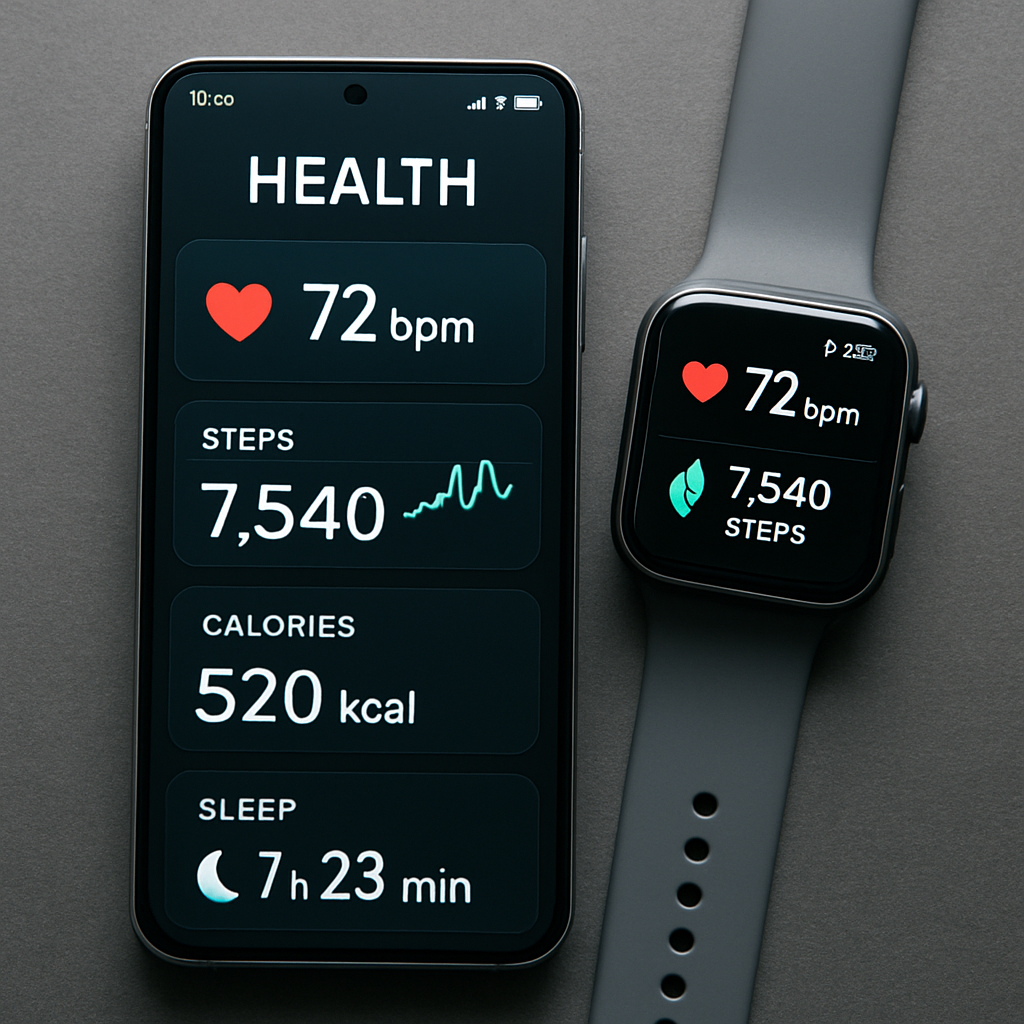
In the early 2020s, digital health tools were highly fragmented. You had one application for running, another for logging meals, and yet another for booking doctor appointments. Fast forward to today, and health and wellness apps have transformed into unified, holistic ecosystems.
These comprehensive platforms are designed to aggregate data from multiple sources, providing a 360-degree view of your body’s daily performance. The impact of mHealth on patient outcomes (mobile health) has been overwhelmingly positive. Studies continuously show that patients who actively engage with mobile wellness ecosystems experience fewer hospital readmissions, improved cardiovascular health, and a heightened awareness of their daily habits.
By utilizing predictive analytics, these applications can now notify you of potential health issues—such as a spike in resting heart rate or irregular sleep patterns—days before you actually feel symptoms.
Elevating Your Routine: Fitness and Workouts
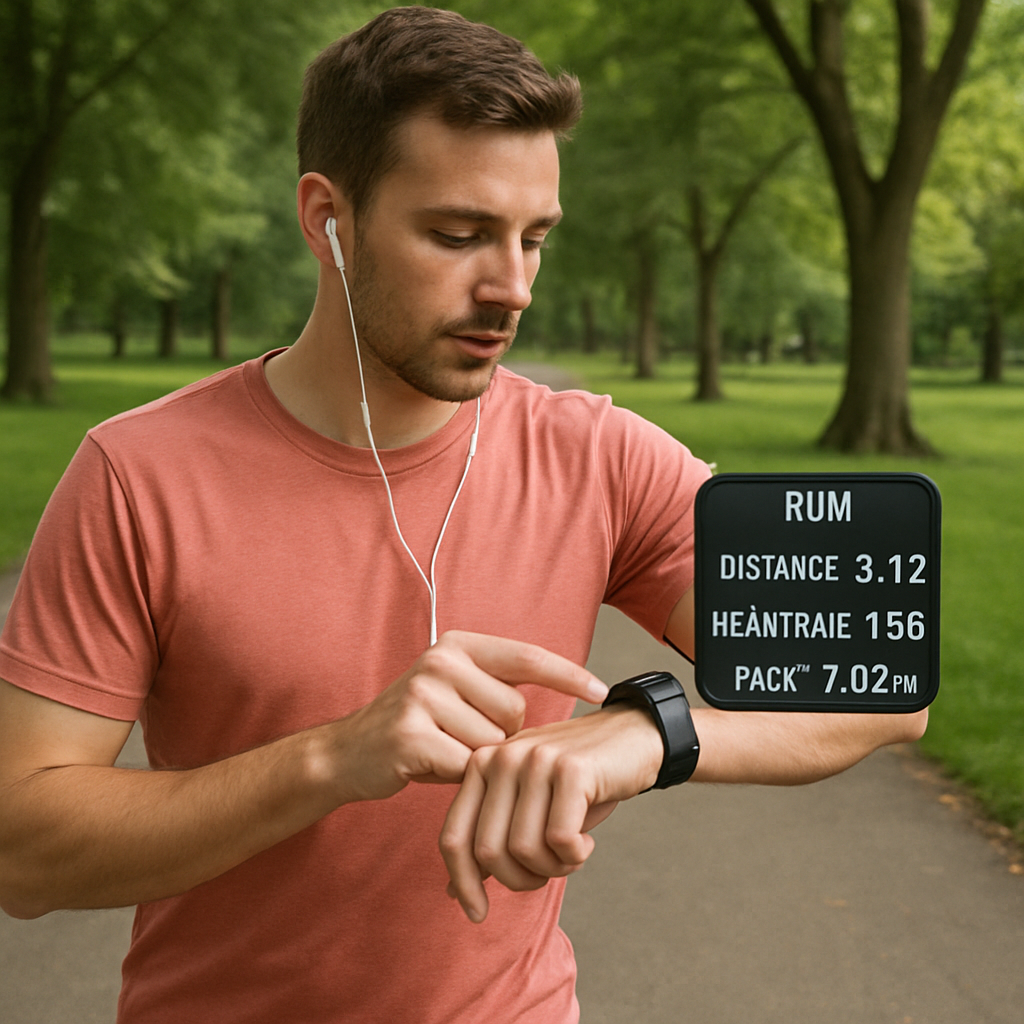
Whether you are training for a marathon or simply trying to reverse the effects of a sedentary desk job, technology is your ultimate accountability partner. Modern fitness trackers are marvels of engineering, capable of measuring blood oxygen levels, ECG readings, and muscle recovery rates.
If you are just starting your fitness journey, you might feel overwhelmed by the sheer volume of data available. When looking for the best fitness trackers for beginners, prioritize devices that emphasize user-friendly interfaces, long battery life, and actionable insights rather than purely raw data.
To maximize the benefits of your hardware, pair it with dynamic workout apps. These applications now use augmented reality and AI to correct your form in real-time, ensuring you get the most out of every squat and lunge.
Pro Tip: A common hurdle for new users is figuring out how to sync wearable devices with their smartphones. Fortunately, by 2026, most devices utilize universal Bluetooth protocols. Simply download your tracker’s companion app, ensure your phone’s Bluetooth is active, and follow the on-screen prompts to grant necessary permissions to your central health dashboard (like Apple Health or Google Fit).
Fueling the Machine: Diet and Nutrition
You cannot out-train a poor diet, and technology is here to keep your culinary habits in check. Basic calorie counters have evolved into sophisticated nutrition apps that act as personal dietitians.
Today’s nutrition and meal planning software uses machine learning to generate personalized grocery lists based on your specific macro and micronutrient requirements. Need a low-FODMAP diet for irritable bowel syndrome? Or perhaps a high-protein, plant-based meal plan for muscle gain? These tools map out your entire week, complete with recipe videos and automated grocery delivery integration.
- Barcode Scanning: Instantly log meals and uncover hidden sugars or allergens.
- Hydration Tracking: Receive smart prompts to drink water based on your daily activity level and local weather conditions.
- Micro-nutrient Analysis: Track not just carbs and fats, but essential vitamins like D3, B12, and Magnesium.
Rest, Recovery, and Mental Well-being
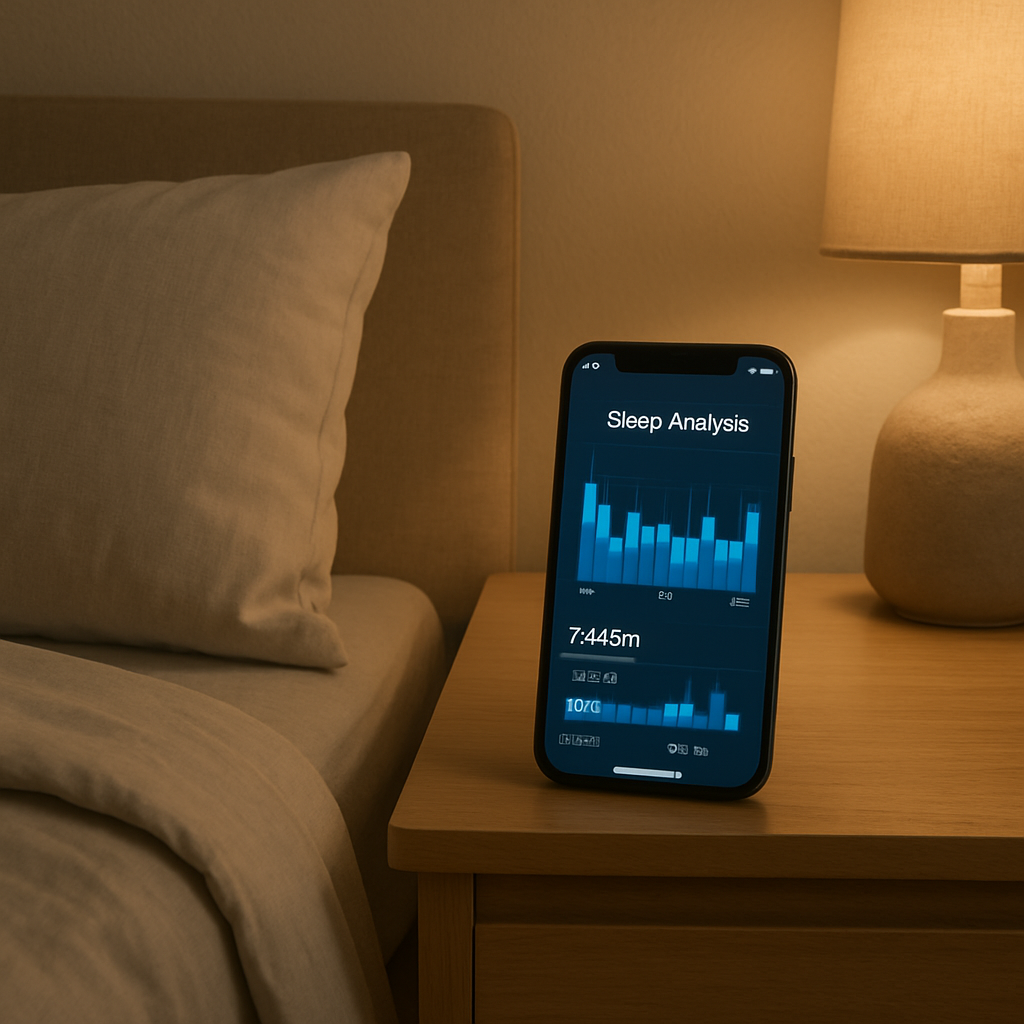
In our hyper-connected world, rest is often treated as an afterthought. However, modern wellness emphasizes recovery just as much as activity. People are actively improving sleep hygiene with technology through smart mattresses, wearable rings, and ambient room sensors.
Digital sleep aids have moved far beyond simple white noise generators. Today’s applications monitor your sleep architecture (the cycles of REM, light, and deep sleep) through acoustic analysis and movement tracking. They wake you gently during your lightest phase of sleep, eliminating morning grogginess.
Furthermore, true health encompasses the mind. Consistent habit tracking for mental clarity allows users to map their moods, journal their daily gratitudes, and schedule guided meditation sessions. By correlating your mood data with your sleep and activity logs, these platforms can pinpoint exactly which lifestyle factors trigger stress or anxiety.
Revolutionizing Care: Chronic Illness and Aging Gracefully
Perhaps the most life-changing aspect of modern mobile technology is its application in everyday medical care. Proactive health management empowers individuals to take control of their diagnoses rather than relying solely on sporadic doctor visits.
Managing chronic illness via smartphone is now a daily reality for millions of people living with diabetes, hypertension, asthma, and heart disease. Continuous glucose monitors sync directly to smartphones, warning diabetic patients of impending blood sugar crashes before they happen.
This is largely driven by robust remote patient monitoring technology. Devices can securely transmit daily vitals directly to a physician’s dashboard. If a patient with hypertension registers three consecutive days of high blood pressure, their doctor’s office receives an automated alert to intervene.
Additionally, elder care has been completely revolutionized. Caregivers and family members rely heavily on intuitive medication reminder systems for seniors. These systems use visual and auditory prompts to ensure complex medication regimens are followed correctly, significantly reducing the risk of accidental overdoses or missed doses.
The New Doctor’s Office: Telehealth and Digital Records
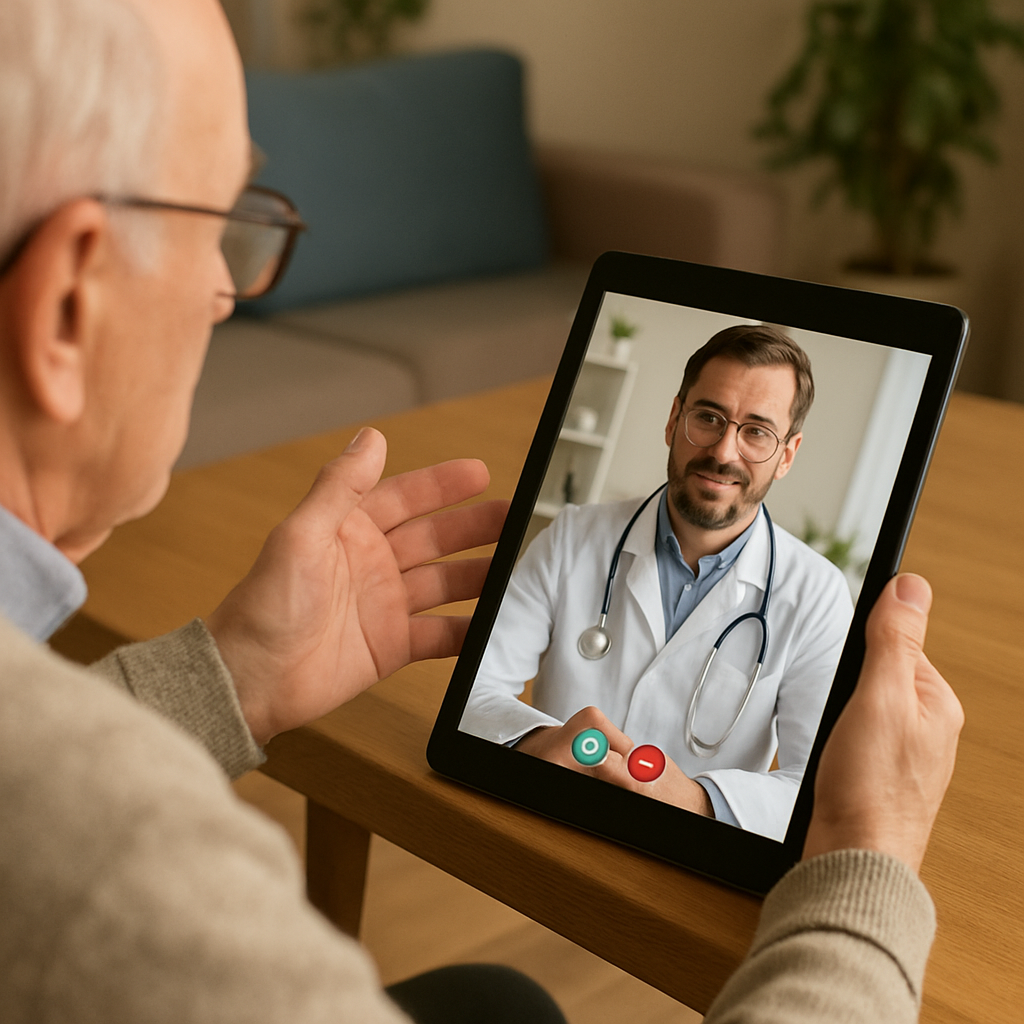
The conversation surrounding telehealth vs in-person visits has evolved into a balanced, hybrid healthcare model. While nothing replaces the necessity of in-person surgical procedures or physical exams, virtual consultations handle the vast majority of routine follow-ups, therapy sessions, and prescription refills.
Constant, background health monitoring via wearables ensures that when you do log into a telehealth call, your physician already has a comprehensive summary of your vitals from the past month.
Moreover, taking control of your medical history has never been easier. Secure personal health record management apps act as encrypted digital vaults. You can store your lab results, vaccination records, and imaging scans right in your pocket. This ensures that whether you are seeing your primary care physician or a specialist across the country, your medical history is instantly accessible and accurate.
Navigating the Market: Choosing Tools and Protecting Data
With tens of thousands of applications flooding the app stores, knowing how to choose mobile wellness platforms is a vital skill.
Start by comparing paid vs free wellness tools. Free versions are excellent for beginners looking to track basic metrics like daily steps and water intake. However, premium subscriptions usually unlock the true power of these platforms: AI-driven coaching, deeper historical data trends, and integration with electronic health records. Always utilize free trials before committing to an annual subscription to ensure the user interface aligns with your learning style.
The Critical Importance of Privacy
Because these tools collect highly sensitive information—ranging from your GPS location during morning runs to your resting heart rate—data privacy is the most critical conversation in the industry.
Leading tech companies adhere to stringent biometric data security standards, ensuring that your physical data (like fingerprints, facial recognition, and heart rhythms) is encrypted locally on your device’s secure enclave, rather than stored on vulnerable public servers.
Furthermore, governments worldwide have updated their legislation. Strict mobile medical data privacy regulations require app developers to be fully compliant with laws like HIPAA (in the US) and GDPR (in Europe). When downloading a new app, always:
- Read the privacy policy to ensure your data isn’t being sold to third-party advertisers.
- Check if the app offers end-to-end encryption for your medical records.
- Opt-out of unnecessary data sharing, such as background location tracking, if the app does not explicitly need it to function.
Conclusion
As we navigate through 2026, the lines between daily life, consumer technology, and professional healthcare have beautifully blurred. From simple hydration reminders to advanced remote medical monitoring, health apps have democratized personal wellness, putting the power of longevity directly into our hands. By thoughtfully selecting the right tracking tools, prioritizing data security, and consistently utilizing these platforms to build positive habits, you can engineer a healthier, happier, and more mindful life. The future of healthcare isn’t just in a clinic; it is right in your pocket.