Gone are the days when a watch was merely a fashion accessory used to tell time. Today, the device on your wrist acts as a miniature, personalized health clinic. With cardiovascular disease remaining a leading global health concern, the ability to track vital signs seamlessly throughout the day has transformed from a novelty into a life-saving necessity.
Whether you are an athlete looking to optimize your recovery or someone proactively managing cardiovascular conditions, investing in a smart watch with blood pressure and heart rate monitor capabilities can dramatically change how you approach your daily well-being.
The Evolution of Cardiac Wearables
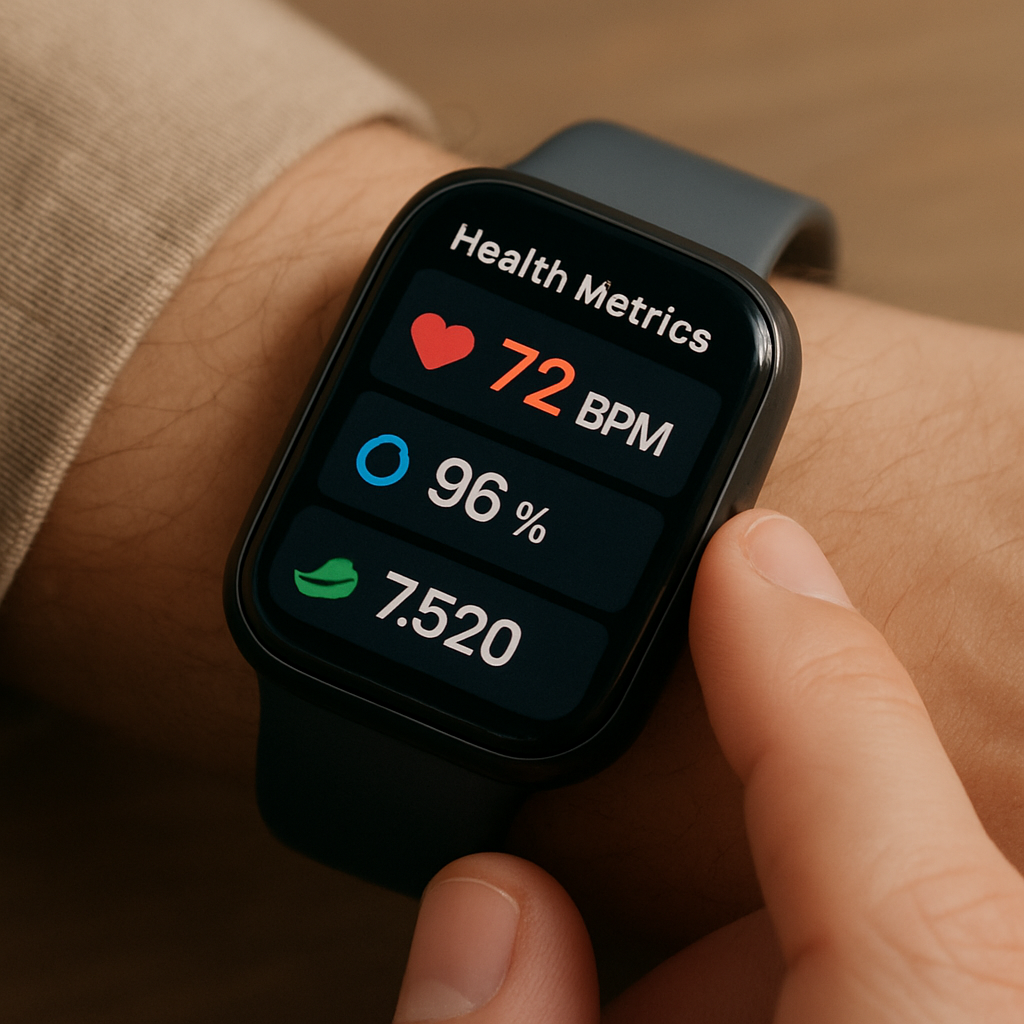
Not long ago, if you wanted to track your fitness, your best option was a simple activity tracker that tracks heart rate during a jog, or a basic heart rate fitness band that counted your steps and estimated calories burned. These early devices were great for motivation, but they lacked clinical depth.
Today, the landscape has shifted toward comprehensive wellness tracking. Modern wearables have bridged the gap between consumer electronics and healthcare, offering advanced metrics that were previously only available in a doctor’s office.
How Do These Devices Actually Work?
To trust the data on your wrist, it helps to understand the fascinating science behind the screen.
Behind the Sensors
If you have ever wanted photoplethysmography sensor technology explained in simple terms, it comes down to light. Those tiny green LED lights flashing on the back of your watch shine into your skin, measuring the micro-changes in light absorption as your blood vessels expand and contract with each heartbeat.
However, when it comes to measuring blood pressure, manufacturers use different approaches. When looking at wrist-based oscillometric vs optical sensors, the distinction is critical:
- Optical Sensors (PPG): Use light to estimate blood flow and calculate pressure based on algorithms.
- Oscillometric Sensors: Feature an actual, miniaturized inflatable cuff built into the watch strap that physically measures the pressure in your arteries, much like clinical devices.
Additionally, some cutting-edge wearables utilize the pulse transit time measurement method. This technique calculates blood pressure by measuring the exact time it takes for a pulse wave to travel from your heart (using an ECG sensor) to your wrist (using the optical sensor). The faster the wave travels, the higher the blood pressure.
Blood Pressure on Your Wrist: Convenience Meets Clinical Need
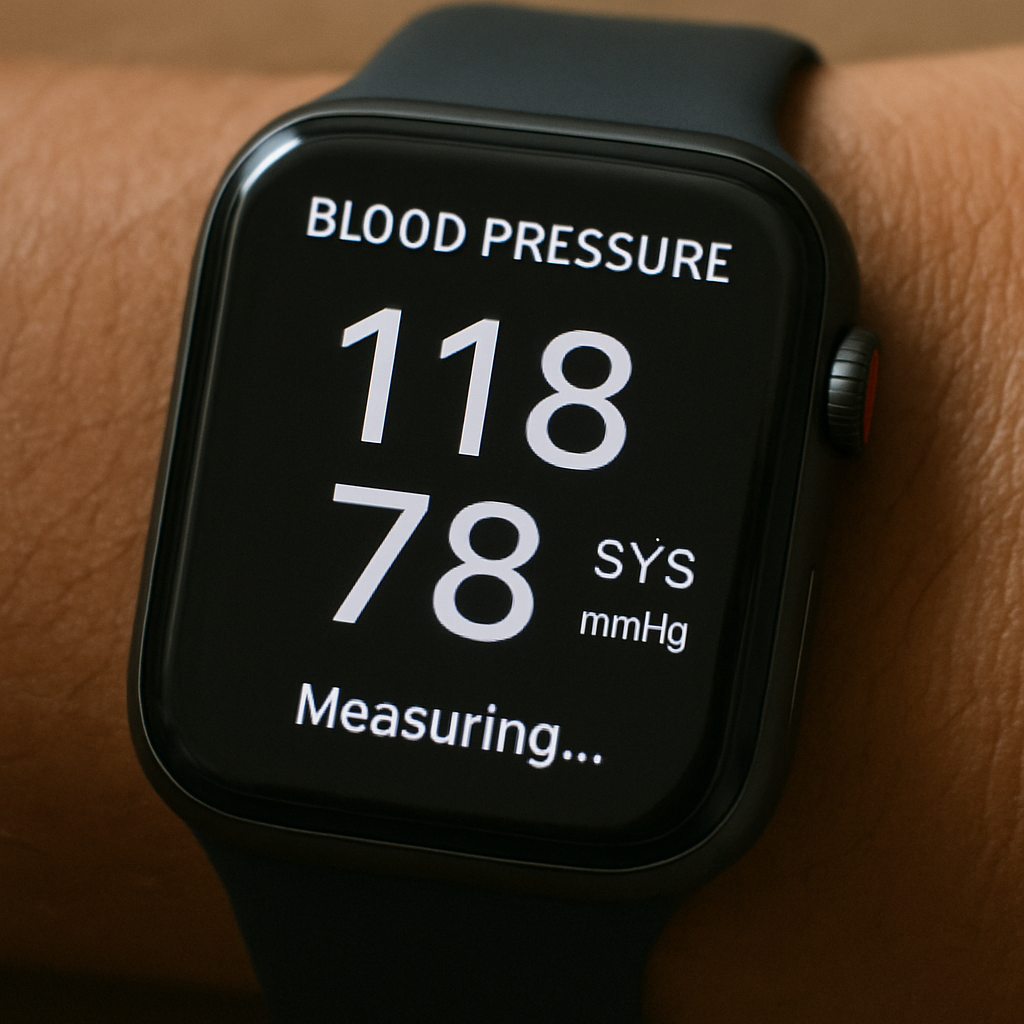
The ability to check your blood pressure at a restaurant, at your desk, or while on a walk is revolutionary. But it naturally brings up a vital question: how accurate are wrist blood pressure monitors?
Accuracy and Calibration
When comparing a cuffless blood pressure watch vs traditional monitor (the standard upper-arm cuff), the traditional monitor remains the gold standard for absolute diagnostic accuracy. Cuffless watches are incredible for tracking trends and spotting sudden spikes or dips, but they require a baseline.
Learning how to calibrate smartwatch blood pressure sensors is an essential step for any user. To ensure accuracy, most manufacturers require you to calibrate the watch using a standard, medically validated upper-arm cuff.
- Take a reading with your traditional cuff.
- Immediately take a reading with your smartwatch.
- Input the cuff’s numbers into your smartwatch app.
- Repeat this process every 28 days (or as directed by the manufacturer) to maintain accuracy.
Deep Dive into Heart Rate and Rhythm Tracking
Heart health is about much more than just beats per minute. The benefits of continuous heart rate monitoring are vast, providing a 24/7 picture of how your heart reacts to sleep, stress, digestion, and exercise.
Heart Rate Variability (HRV)
One of the most powerful metrics available today is HRV. Interpreting heart rate variability data can seem complex, but it is essentially the measure of the time variation between each heartbeat.
- High HRV: Generally indicates that your body is resilient, relaxed, and recovering well.
- Low HRV: Can be an early warning sign of physical fatigue, mental stress, or impending illness.
Detecting Irregularities
Perhaps the most life-saving feature of modern wearables is the capability for monitoring irregular heart rhythms at home. Many advanced smartwatches now include ECG (electrocardiogram) apps that can detect signs of Atrial Fibrillation (AFib). Catching these intermittent irregularities early can prevent severe complications, such as strokes, long before you ever feel a symptom.
Choosing the Right Device for Your Needs
With a flooded market, figuring out exactly what to buy can feel overwhelming. Your choice ultimately depends on your specific health goals.
If your primary goal is optimizing your workouts, you might simply be looking for the best watch with hr monitor capabilities. Athletes often prioritize durability, battery life, and GPS over medical-grade diagnostics. For this demographic, finding the best watch for heart rate monitoring involves looking for high polling rates (how often the watch checks your pulse during exercise) and comfortable straps.
Conversely, if you have a family history of cardiac issues, your focus should shift toward finding the best watch for heart monitoring. You will want to look beyond consumer gadgets and seek out FDA cleared smartwatches for cardiac monitoring. These devices have undergone rigorous clinical testing to prove that their ECG and rhythm-tracking features meet strict medical standards.
When shopping around for the top rated heart rate monitor watch, always check user reviews specifically regarding app usability. A watch is only as good as the smartphone application that translates its data.
Targeted Health: Seniors and Hypertension
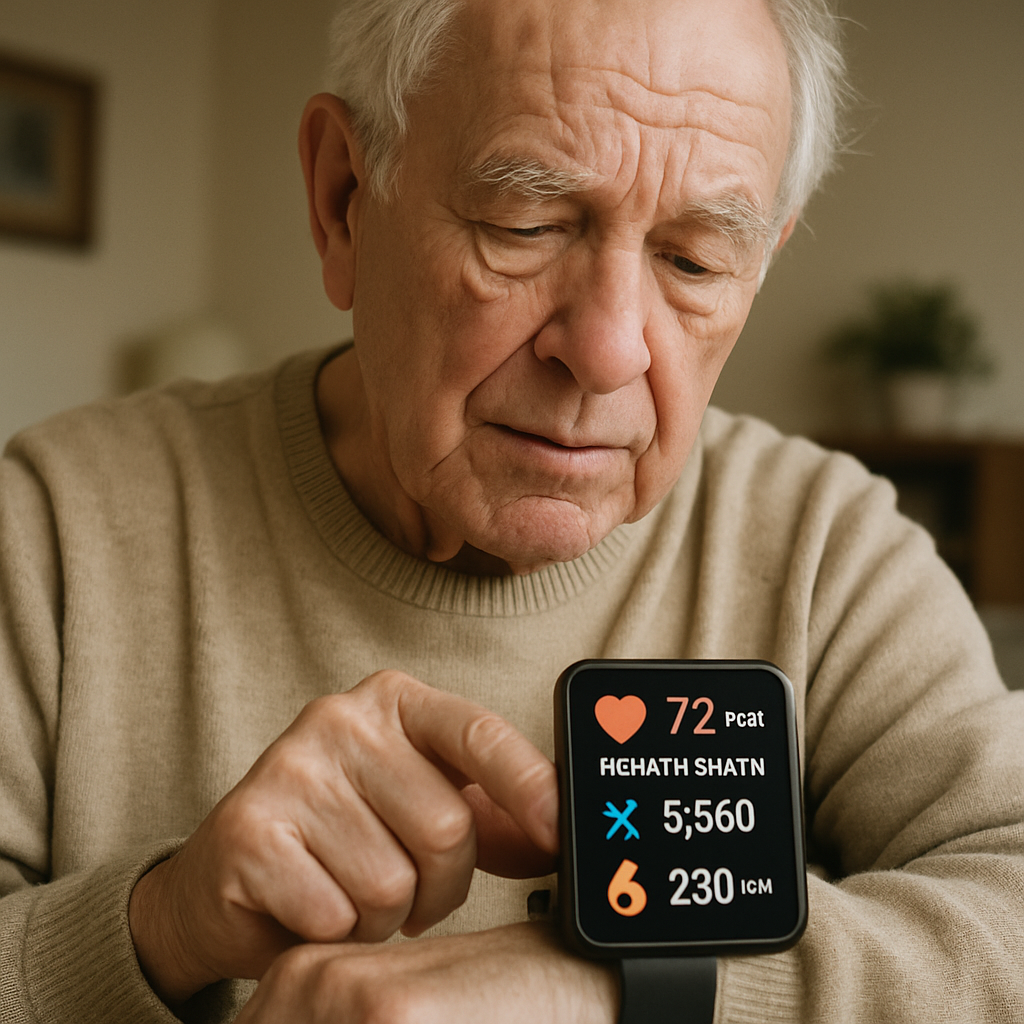
For older adults and those dealing with chronic high blood pressure, wearables offer an unprecedented safety net.
Managing High Blood Pressure
Managing hypertension with wearable technology empowers patients to take control of their condition. Instead of experiencing “white coat syndrome”—where blood pressure spikes artificially high at the doctor’s office due to anxiety—patients can record their resting numbers in the comfort of their own homes.
When searching for the top rated health wearables for hypertension, look for devices that offer automatic background readings and easy data-export features. It allows users to see how their diet, sodium intake, and stress levels directly impact their vascular health in real-time.
Features for Seniors
Finding the best fitness trackers for senior heart health requires looking at specific, user-friendly features.
- Large, Bright Displays: To accommodate changing eyesight.
- Fall Detection: Automatically contacts emergency services if a hard fall is detected.
- Medication Reminders: Integrated alarms to prompt daily blood pressure or heart medication.
- Simplified User Interfaces: Apps that prioritize clear numbers and simple graphs over cluttered, complex athletic data.
Bridging the Gap Between Home and Clinic
Owning medical grade wearable health devices is only half the battle; knowing what to do with the data is where the true value lies. Wearables are not meant to replace your physician; they are meant to assist them.
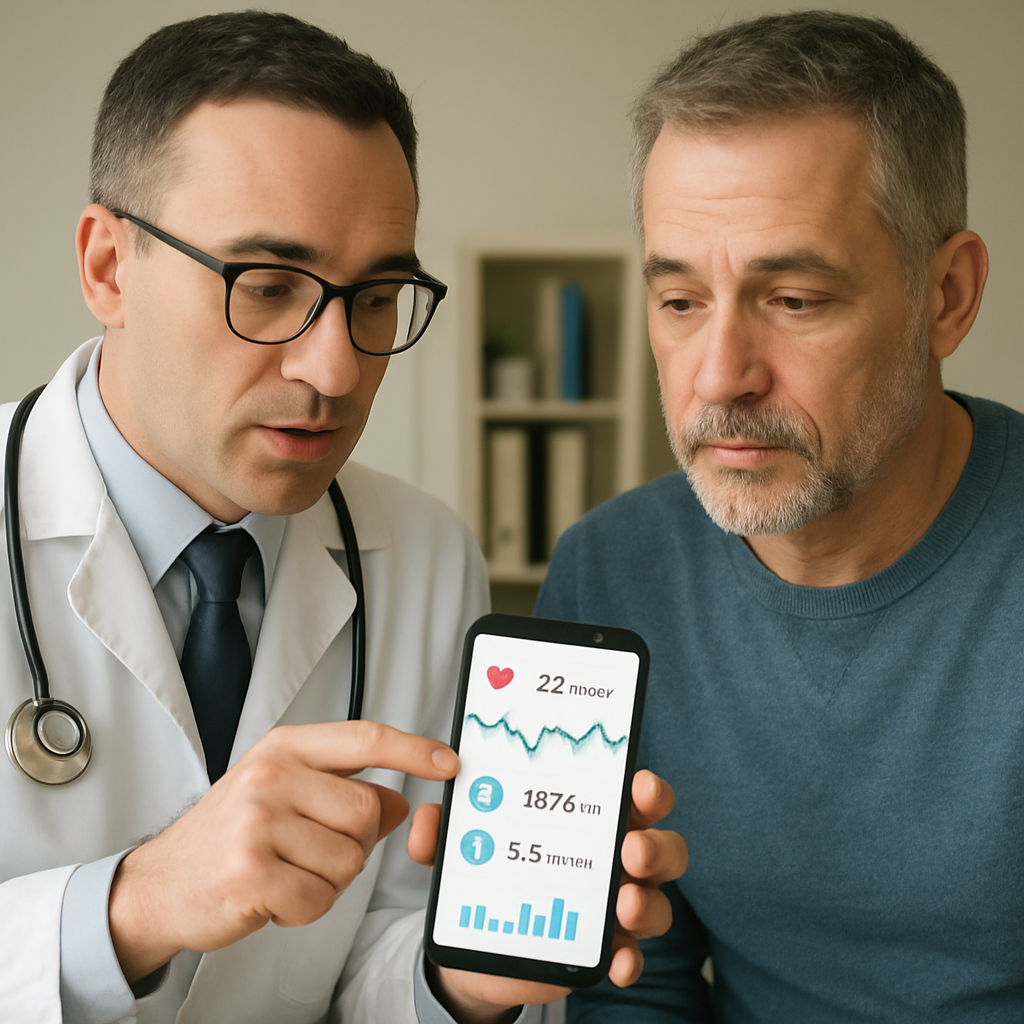
Integrating wearable health data with doctor visits has changed the dynamic of routine check-ups. Instead of relying on a single blood pressure reading taken on a Tuesday morning, you can present your doctor with a comprehensive PDF report showing a month’s worth of cardiovascular trends.
Actionable Tips for Your Next Doctor’s Visit:
- Export Before You Go: Most companion apps allow you to export your ECGs and blood pressure logs as a PDF. Print this out or email it to your patient portal before your visit.
- Highlight Anomalies: If you felt dizzy on a specific date, match it up with your smartwatch data and point this out to your doctor.
- Don’t Self-Diagnose: Use the data as a conversation starter, not a definitive medical diagnosis. If your watch alerts you to an irregular rhythm, stay calm, save the ECG strip, and contact a medical professional for a proper clinical evaluation.
Conclusion
We are living in an era where taking control of our cardiovascular wellness is easier and more accessible than ever. Transitioning from a simple step-counter to a sophisticated smart watch with blood pressure and heart rate monitor functions is a profound investment in your long-term health.
Whether you are utilizing continuous tracking to optimize your daily energy, analyzing your sleep patterns, or actively monitoring hypertension, these devices put the power of prevention right onto your wrist. By choosing a device that fits your lifestyle, keeping it properly calibrated, and sharing your findings with your healthcare provider, you can ensure that your heart stays ticking strong for years to come.