Stepping onto your mat should feel like a deep exhale—a momentary release from the chaos of daily life. It absolutely should not feel like a battle against restrictive waistbands, digging seams, or slipping fabrics. Whether you are holding a physically demanding warrior pose or settling into a deeply relaxing child’s pose, the right yoga clothes can quite literally make or break your practice.
As the global wellness industry continues to boom, the sheer variety of yoga attire available has skyrocketed. From specialized hot yoga studios to quiet home living rooms, practitioners have diverse needs. Finding the perfect balance between style, functionality, and comfort is crucial. You want garments that act like a second skin, allowing you to focus entirely on your breath and alignment rather than tugging at your hemline.
In this comprehensive guide, we will break down exactly what you need to know to curate the ultimate activewear wardrobe, ensuring every chaturanga and savasana is fully supported.
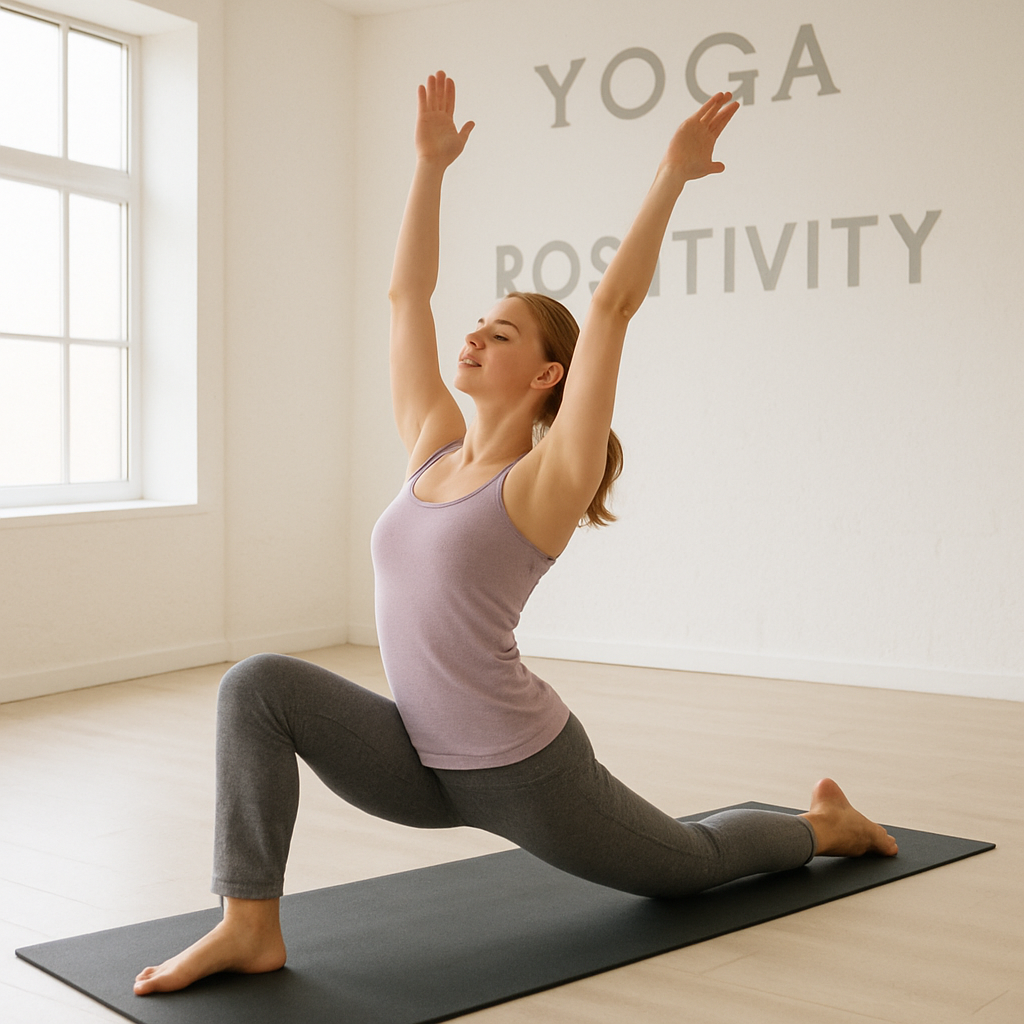
Why Your Yoga Attire Matters
When you are curating your activewear wardrobe, it is not just about looking aesthetically pleasing in trendy yoga outfits. It is fundamentally about how the clothing interacts with your unique biomechanics. High-quality pieces are engineered to move with you seamlessly.
This is where practitioners truly experience the impact of four-way stretch technology. Unlike standard everyday fabrics that only stretch horizontally or vertically, four-way stretch weaves expand in all directions and immediately recover their original shape. This ensures that you never feel restricted during a wide-legged forward fold, a deep spinal twist, or a balancing half-moon pose. Furthermore, well-designed gear minimizes sensory distractions. A properly placed seam prevents chafing during repetitive motions, while a thoughtfully constructed waistband eliminates the need for constant mid-flow readjustments.
How to Choose Yoga Gear for Beginners
Stepping into a studio for the first time can be intimidating, let alone trying to figure out how to choose yoga gear for beginners. The golden rule for novices is to keep it simple, prioritizing comfort and functional coverage. You do not need to purchase an entire closet full of specialized female yoga wear before your first class. Instead, start with a few highly versatile pieces.
- The “Downward Dog Test”: When trying on shirts, bend over in the dressing room. If the shirt falls over your head and exposes your stomach or chest, it will likely be a nuisance during class. Look for slightly fitted tops or those with a banded hem.
- Prioritize Opacity: Perform a deep squat in front of a mirror to ensure the fabric doesn’t sheer out when stretched.
- Focus on Comfort: If a seam is slightly irritating in the store, it will be unbearable after 60 minutes of sweating. Stick to seamless or flatlock-stitched garments.
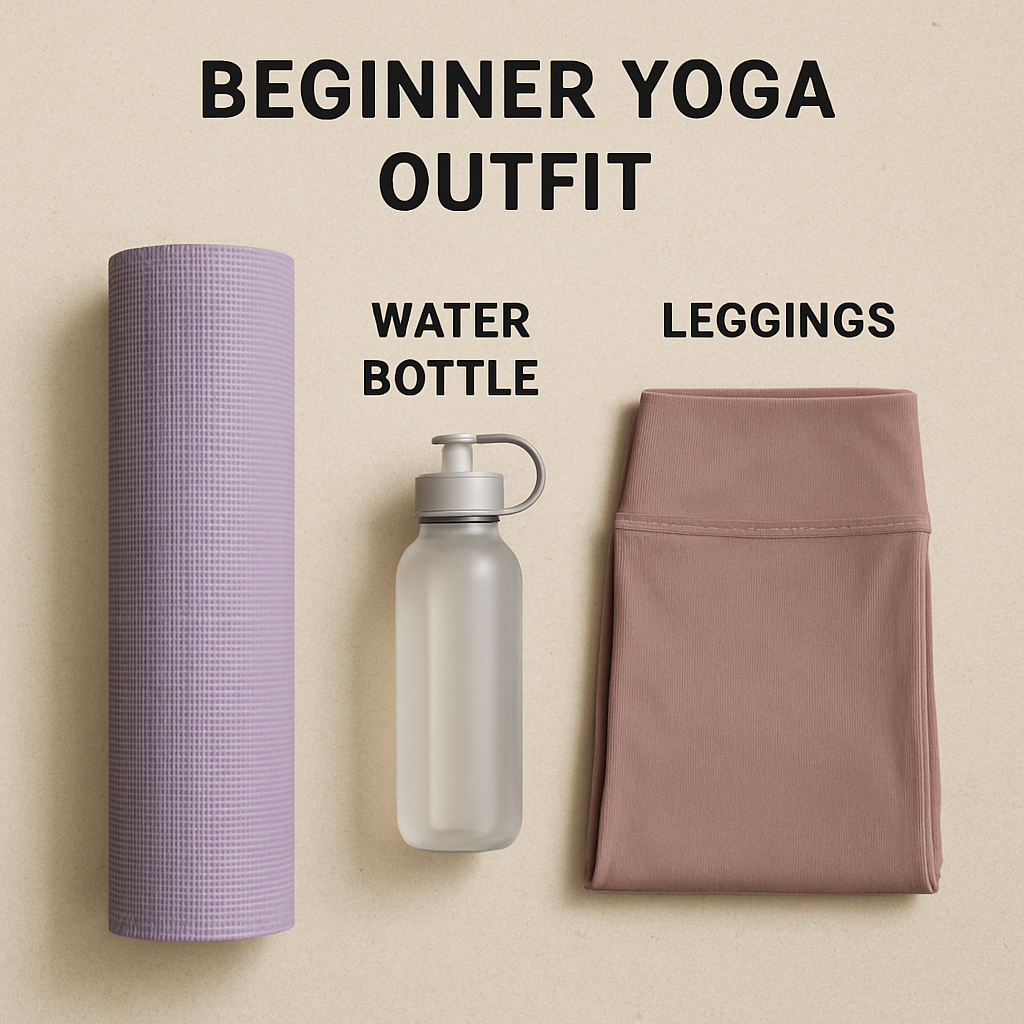
Decoding the Bottoms: Leggings vs. Pants
The foundation of your practice wardrobe begins with your bottoms. Depending on your personal style and the type of movement you prefer, different cuts will serve different purposes.
The Ultimate Staple: High-Waisted Squat-Proof Leggings
Let’s begin with the absolute essential for most modern, active practitioners: high-waisted squat-proof leggings. A high waistband serves multiple functions. It provides gentle core support, helps retain body heat around the lower back, and stays firmly in place during vigorous Vinyasa or Ashtanga flows. The “squat-proof” element is a non-negotiable feature that guarantees opacity, allowing you to move with total confidence without worrying about the fabric becoming see-through.
Compression Leggings vs. Yoga Pants
As you browse the aisles, it is vital to understand the difference between compression leggings and yoga pants. Compression leggings are typically constructed from tight, highly engineered synthetic blends. They are designed to boost blood circulation, stabilize muscles, and reduce fatigue during high-impact workouts. Traditional yoga pants, on the other hand, often feature a straight-leg, slight flare, or bootcut design. They prioritize unrestrictive comfort, breathability, and a softer hand-feel, making them an excellent choice for gentle Hatha flows or casual daily wear.
Flowing Freely: Restorative Options
Not all practices require skin-tight silhouettes. For those who gravitate towards Yin, Kundalini, or slow-moving therapeutic flows, form-fitting is rarely the goal. Opting for flexible harem pants for restorative practice provides a completely different experience. These loose, gathered pants allow for maximum air circulation and offer zero constriction around the hips and knees, encouraging you to sink deeper into long-held, passive stretches without feeling bound by your clothing.
Finding the Perfect Top and Essential Support
When searching for premium yoga wear for ladies, the top half of your body requires just as much strategic planning as the bottom. Your choice of tops and sports bras should be directly influenced by the specific style of yoga you intend to practice.
Beating the Heat
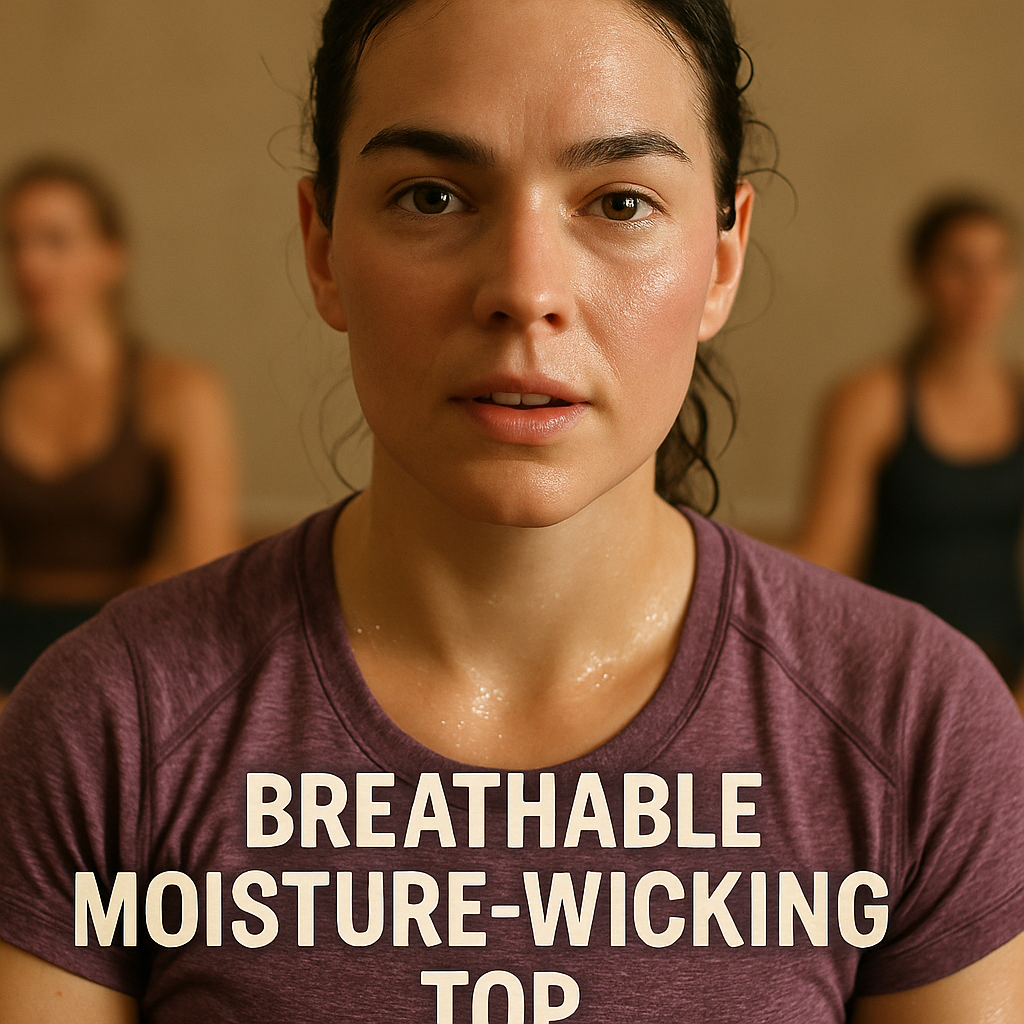
If you frequent a Bikram or heated Vinyasa studio, lightweight, breathable tops for hot yoga are essential. In an environment where the temperature exceeds 100 degrees Fahrenheit, sweat management is your top priority. Look for garments constructed from advanced moisture-wicking performance fabrics. These intelligent textiles are designed to pull perspiration away from your skin, pushing it to the exterior of the fabric where it can evaporate rapidly. This process keeps your core body temperature regulated and prevents your shirt from becoming a heavy, clinging distraction.
Defying Gravity
Conversely, for practitioners who love to play with advanced asanas, arm balances, and headstands, securing supportive sports bras for inversion poses is absolutely vital. When gravity is reversed, you need a bra featuring a slightly higher neckline and robust underbust banding to ensure everything stays safely contained. Racerback or intricately strapped cross-back designs are highly recommended, as they offer this necessary compression while simultaneously allowing for unrestricted shoulder blade mobility.
Specialty Gear: From Pregnancy to Barefoot Balance
The beauty of the current market for yoga clothes for women is that it caters to highly specific life stages, physical needs, and environmental variations.
- Maternity Yoga: For expecting mothers, ensuring the proper fit for prenatal stretching can drastically improve comfort. Maternity bottoms feature specially engineered, ultra-stretchy belly panels that can roll over a growing bump or fold down under the belly. This provides gentle, lifting support without ever compressing the abdomen.
- Grip and Stability: Furthermore, while the tradition of yoga strongly encourages a barefoot practice to ground oneself, some practitioners prefer or require foot coverage. Slipping on a pair of non-slip grip socks for balance is a phenomenal solution. These are perfect for yogis who practice on slippery hardwood floors instead of sticky rubber mats, or for those desiring an extra hygienic barrier in busy communal studios. The targeted silicone grips on the soles lock your feet firmly into place during wide-stance standing poses.
Material Matters: Fabrics that Breathe and Protect
The raw materials used to construct your yoga wear dictate how the garments feel against your skin, how they perform under pressure, and how long they will survive in your closet. The activewear textile industry has made massive strides, offering incredible options for every preference.
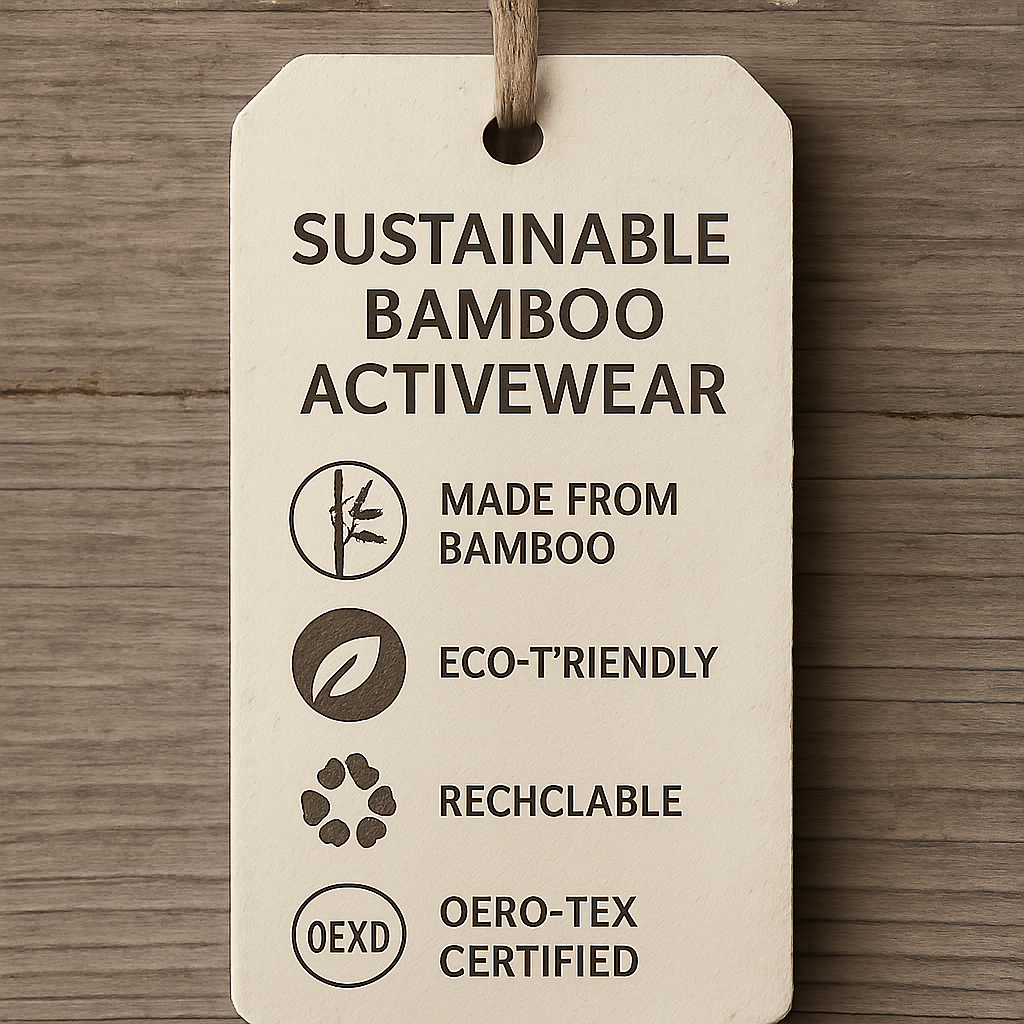
If you are someone who suffers from allergies, eczema, or easily irritated skin, seeking out the best materials for sensitive skin is paramount. Harsh synthetic blends treated with heavy chemical dyes can cause contact dermatitis when combined with friction and sweat. Instead, pivot toward incredibly soft, naturally hypoallergenic options like sustainable bamboo activewear. Bamboo fibers are not only exceptionally gentle and naturally antibacterial (meaning they resist odor-causing bacteria), but they also boast excellent thermo-regulating properties, keeping you cool in the summer and warm in the winter.
On the high-performance side of the spectrum, many industry-leading brands now utilize eco-friendly recycled polyester textiles. Manufactured by melting down post-consumer plastic water bottles and spinning them into fine, durable yarns, these fabrics offer the exact same intense durability, stretch, and sweat-wicking properties of virgin plastics. The major benefit? They actively help keep non-biodegradable plastic waste out of our fragile oceans and overflowing landfills.
Conscious Consumption in Yoga Fashion
Yoga is, at its core, a philosophy of interconnectedness—a practice of cultivating awareness regarding how we relate to ourselves, to others, and to the planet. Therefore, what we choose to wear should ideally reflect these ancient principles.
Today, the consumer demand for transparency regarding ethical manufacturing in fitness fashion is higher and more vocal than ever. When shopping for your next set of leggings or sports bras, take an extra five minutes to research the brand’s supply chain. Look for companies that guarantee fair living wages, safe working conditions for factory employees, and a tangible commitment to reducing their carbon footprint. By actively choosing ethically made garments, you are extending the yogic principle of Ahimsa (non-harming) far beyond the four corners of your mat and weaving it directly into your daily life.
Care and Maintenance: Protecting Your Investment
High-quality activewear is undeniably an investment, and taking proper care of your gear ensures it will support you for years to come. To maintain the intricate stretch fibers, vibrant colors, and advanced performance capabilities of your wardrobe, you must strictly follow the washing instructions for technical apparel.
Here are a few actionable, expert tips to maximize the lifespan of your activewear:
- Wash in Cold Water: Hot water can aggressively break down elastane and spandex fibers, permanently ruining the elasticity and “snap-back” of your leggings.
- Ban the Fabric Softener: Liquid softeners and dryer sheets leave a waxy, water-resistant coating on fabric fibers. This completely destroys the moisture-wicking capabilities and traps sweat odors, leading to the dreaded “gym clothes smell.”
- Air Dry Whenever Possible: The extreme, concentrated heat of a standard tumble dryer is the sworn enemy of elasticity. Always hang your garments or lay them flat to dry in a well-ventilated space.
- Wash Inside Out: Turning your clothes inside out protects the smooth outer surface from abrasive pilling caused by friction against other garments or the washing machine drum.
Final Thoughts
Finding the absolute best gear goes far beyond simply grabbing the first pair of black leggings you see on a department store rack. From learning how to navigate the nuanced world of tight compression versus flowing pants, to selecting sustainable, breathable fabrics that respect the earth, your clothing choices can profoundly enhance your time on the mat. By investing thoughtfully in the right functional pieces, you ensure that every deep stretch, powerful arm balance, and restorative meditation is fully supported, exquisitely comfortable, and focused entirely on the beautiful connection between your body and your breath.