You are standing in the gym after ten bicep curls, and a familiar question hits: Am I done? Without a clear plan, it is incredibly easy to spend an hour wandering aimlessly between machines. According to common fitness wisdom, this guessing game is exactly why many people stop seeing physical changes.
Think of your routine as packing for a trip. A repetition, or rep, is simply one complete movement, like placing a single shirt into a suitcase. The set is the suitcase itself—the structural container that holds a specific number of those movements together before you close it and take a much-needed break.
Why not just do fifty squats in a row and go home? Grouping your effort into proper workout sets prevents immediate burnout while ensuring your muscles actually do enough work to adapt. Taking a deliberate rest between these rounds allows your body to recover safely for the next challenge.
Ultimately, clear structure transforms a random sweat session into lasting progress. Whether you exercise with clothes designed for high performance or just an old cotton t-shirt, what truly matters is designing an effective strength training routine.
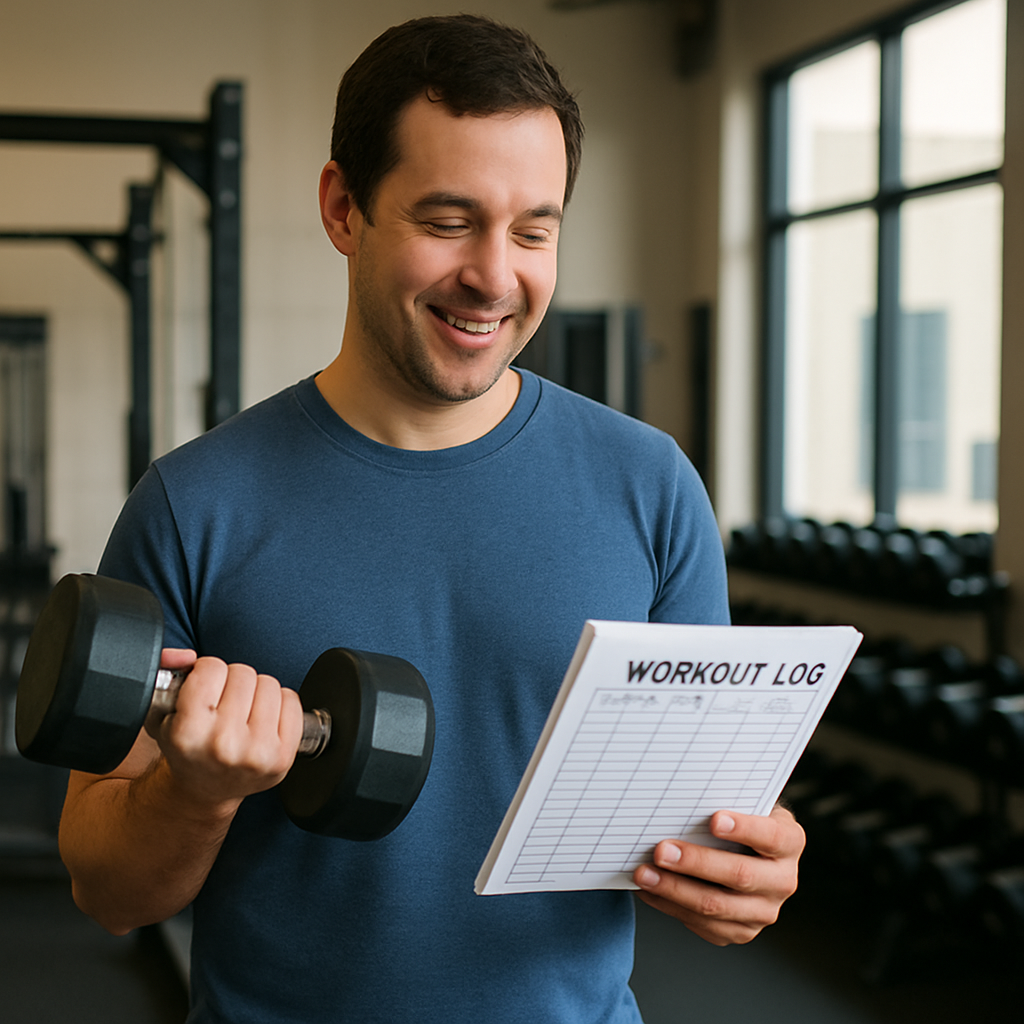
The Science of Hypertrophy: How Many Reps and Sets Do You Actually Need?
You know a set is just a round of work, but how many rounds do you actually need? When you challenge your muscles consistently, they respond by growing larger, a natural process called hypertrophy. Finding the right amount of work to trigger this growth stops you from constantly guessing at the gym.
Different goals require completely different routines. To see actual results, you should match your exercise effort to these common targets:
- Strength: 1 to 5 reps across 3 to 5 sets.
- Growth: 8 to 12 reps across 3 to 4 sets.
- Endurance: 15 or more reps across 2 to 3 sets.
Hitting those specific muscle hypertrophy rep ranges is the sweet spot for building a stronger, defined physique. Completing 8 to 12 movements per round creates a healthy burn without completely draining your energy for the rest of your day.
A single gym session only tells part of the story, which is where your total weekly training volume per muscle group comes in. Think of volume as the total number of sets you complete for one area, like your legs or chest, over seven days. Total volume is essential for muscle growth because doing just two random sets a week means you are under-training and will eventually stall your progress.
General guidelines suggest aiming for 10 to 20 total weekly sets per muscle to ensure you are doing enough work to see changes. Before scheduling out your entire week, however, you must learn to perform each round correctly by mastering the straight set.
Master the Straight Set: The Essential Foundation for Every Gym-Goer
You might already be using the most reliable method for building a strength foundation. A “straight set” means performing one round of an exercise, taking a rest, and repeating that exact movement. Think of straight workout sets like completing one full load of laundry before starting the next.
Repeating the exact same routine forever will eventually stall your progress. To keep seeing changes, you must gradually add slightly more weight or an extra repetition to your exercises over time. Applying these simple progressive overload techniques for beginners ensures your muscles never get too comfortable.
Effort matters, but you never need to work until you completely collapse. Try the “Reps in Reserve” (RIR) method by stopping when you feel you can only complete two more good repetitions. Understanding training to failure vs leaving reps in reserve prevents injuries while delivering a healthy burn.
Mastering this basic structure gives you complete confidence in your exercise plan. Once you feel comfortable pacing yourself through these standard rounds, you can save time by multitasking with supersets.
Cut Your Workout Time in Half with Supersets: The Art of Multi-Tasking
Do you find yourself scrolling on your phone between exercises? When evaluating supersets vs straight sets for hypertrophy (muscle growth), supersets offer a massive advantage: they save serious time while simultaneously boosting your heart rate.
Think of this technique like doing laundry. A straight set is completing one load from start to finish, but a superset is starting your next load while the first is in the dryer. You just need to know the difference between agonist and antagonist pairings. Agonists hit the exact same muscle twice. Antagonists are opposing muscles—like your chest and your back—letting one rest while the other works.
Try these three simple antagonist pairings to build a balanced routine:
- Chest Press + Dumbbell Row (Push vs. Pull)
- Leg Extensions + Hamstring Curls (Front vs. Back of leg)
- Bicep Curls + Tricep Pushdowns (Front vs. Back of arm)
Because you rarely stop moving, you will quickly sweat through even the best gear from premium activewear apparel brands. Once you feel confident multitasking with these movements, you can introduce ascending and descending sets for strength.
Climbing the Pyramid: How to Use Ascending and Descending Sets for Strength
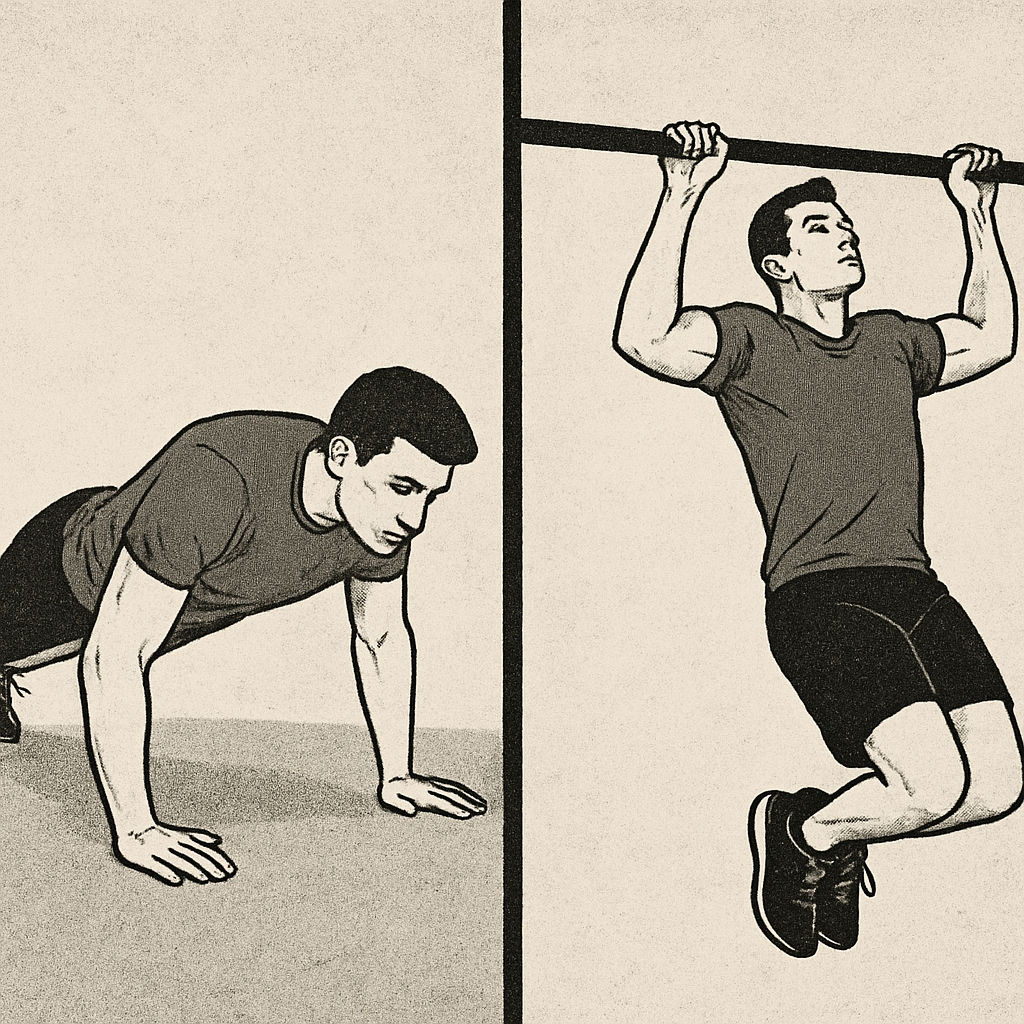
Have you ever tried lifting your heaviest weight right away and felt a sudden pinch? Knowing exactly how to perform pyramid sets correctly solves this by giving your muscles a built-in warm-up. Instead of staying at one weight for all your workout sets, you change the difficulty as you go.
Think of this method like climbing a staircase. You start your first round with a lighter weight and higher reps, maybe lifting a dumbbell fifteen times. Next, you pick up a slightly heavier weight but only do ten reps, continuing this pattern until you reach your heaviest effort safely.
Once you reach the top, you climb back down by lowering the weight and doing more reps again. This extended effort is a fantastic way of improving time under tension for strength. “Time under tension” simply means how long your muscle is actively working, which tells your body to grow.
Using this ascending and descending structure builds a clear mental map for pushing your intensity during a single exercise. Eventually, as you get stronger, even these methods might leave you stuck at a certain weight. When that happens, drop sets and cluster sets offer a way to push past the stall.
Break Through Plateaus with Drop Sets and Cluster Sets
You’ve been working out consistently, but suddenly your progress completely stalls. Breaking through lifting plateaus with drop sets and cluster sets is the perfect way to solve this frustrating problem. These simple workout strategies help you push past that invisible wall safely when the weights feel too heavy.
Pushing past that wall often requires reaching “mechanical failure,” which simply means your muscles physically cannot complete another good rep. A drop set uses this concept by having you instantly lower the weight instead of stopping completely. This method extends your healthy muscle burn without risking injury from forcing a weight you can no longer control.
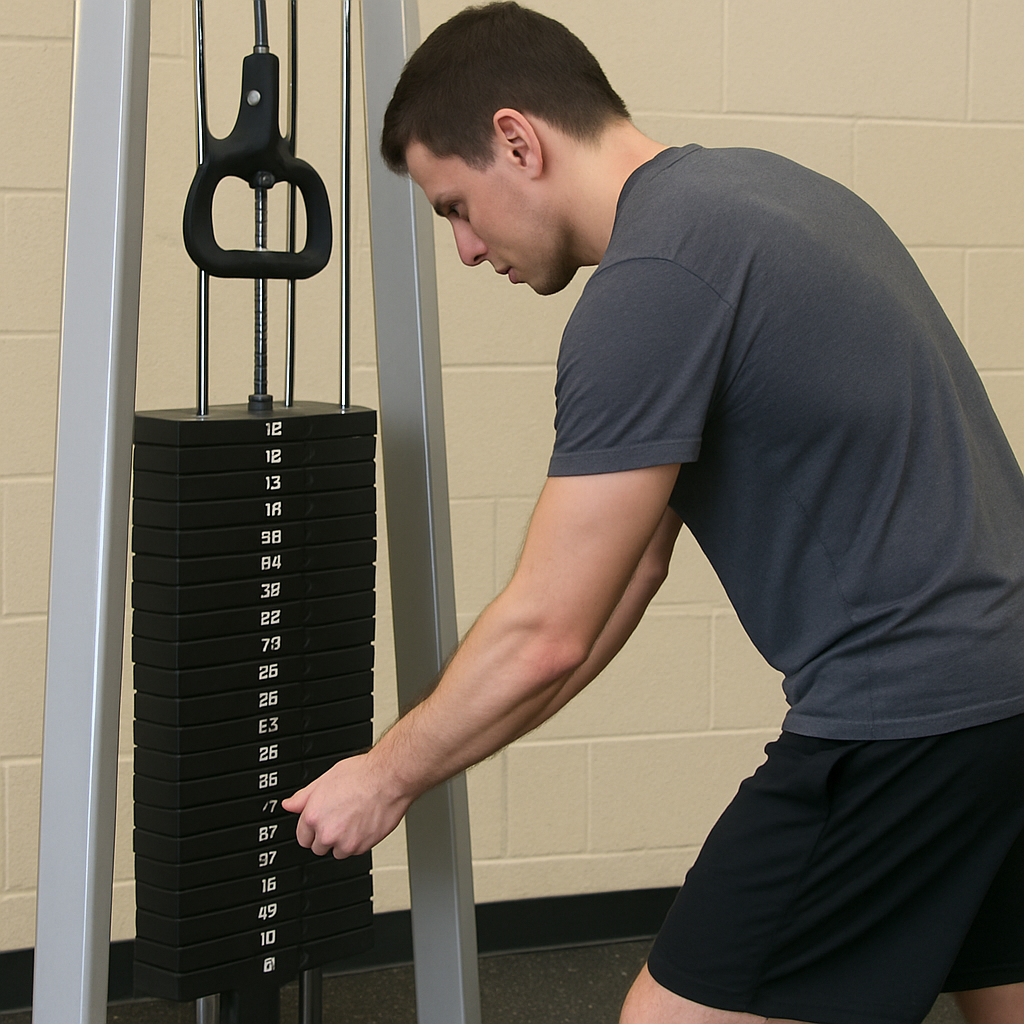
To see this in action, try a three-tier drop set on a cable machine:
- Lift your normal weight until you reach mechanical failure.
- Quickly move the pin to drop the weight by twenty percent, then lift until failure again.
- Drop the weight one final time, lifting until you can’t do a single remaining rep.
Alternatively, cluster sets break a standard round of exercise into smaller, bite-sized chunks with tiny breaks in between. The benefits of cluster sets for strength athletes and everyday lifters include managing heavier weights with much less fatigue. Even casual gym-goers squeezing in a quick weekend workout can use this method to stay energized while keeping their form crisp.
Because these methods are incredibly intense, only use them for one or two exercises during your visit so you don’t overtrain. Pushing your muscles to their absolute limit requires proper recovery between these bouts of effort.
The Rest Interval: Why What You Do Between Sets Is Just as Important as the Lift
Scrolling your phone between squats might leave you wondering if your breaks are too long. Figuring out exactly how long to rest between weightlifting intervals dictates the success of your workout. This necessary “time-out” allows your body to clear out fatigue and refill energy before the next round begins.
Different goals require entirely different break times. If your focus is getting a healthy burn, waiting one to two minutes is perfect. Conversely, optimal rest intervals for powerlifting often stretch to five minutes, giving your nervous system a complete reset before moving very heavy weights.
Sitting still isn’t your only choice while the clock ticks down. Knowing when to use active recovery during exercise—like gentle walking—keeps blood flowing and reduces future soreness.
Dressed for Success: How Your Gym Set Impacts Your Performance
Your outfit during deep squats impacts performance just as much as your rest time. When picking clothes for the gym, prioritize fabrics that stretch freely. Top activewear apparel brands feature moisture-wicking technology, which simply pulls sweat away from your skin so you stay dry. The perfect activewear keeps you comfortable during those tough rounds.
Snug-fitting gear also provides functional compression, acting like a gentle hug that traps heat to keep muscles warm between sets. Choosing durable gym clothes that balance this supportive warmth with sweat-blocking power will elevate your routine. With your gear fully dialed in, you are ready to build your first structured workout.
Your Action Plan: How to Build Your First Structured Workout
You no longer have to guess when to stop or wonder if you are doing enough. By understanding workout sets, you have made the leap from just randomly moving around to training with actual purpose.
Start with this ‘First Week’ checklist to see immediate results when designing an effective strength training routine:
- Pick 2 muscle groups.
- Choose 2 straight set exercises.
- Try 1 superset.
Remember, your plan does not have to be perfect on day one. Each time you follow this structure, you will build confidence and reinforce that smart pacing is the true secret to long-term progress.
Whether you are a casual beginner or a focused lifter building a better routine, you are now equipped with a logical blueprint. Step up to the weights and begin your first round.