Let’s dispel a common myth right away: protein is not just a supplement reserved for bulky bodybuilders. Over the past decade, the wellness industry has seen a massive, well-deserved surge in protein supplements for women. Whether you are chasing specific fitness goals, managing your weight, or simply trying to stay energized throughout a demanding day, understanding the profound power of dietary protein is crucial.
Far from just building biceps, protein is the fundamental building block of life. It supports everything from immune function to hair growth. Yet, despite its importance, many women fall remarkably short of their daily protein needs. Let’s dive deep into why protein is non-negotiable for female health, how to choose the right supplement for your body, and the incredible benefits you can expect from making this simple dietary shift.
The Core Benefits of Dietary Protein for Women
To truly appreciate the value of a high-quality supplement, we first need to look beyond the gym and understand how protein functions within the female body.
Hormonal Health and Metabolism
Few people discuss the profound impact of protein on hormonal balance. Consuming adequate protein helps stabilize your blood sugar levels, preventing the drastic insulin spikes and crashes that lead to sugar cravings and fatigue. By keeping blood sugar stable, protein indirectly helps manage cortisol (the stress hormone), supporting a healthier overall endocrine system.
Building Lean Muscle and Strength
Women naturally have less testosterone than men, meaning that eating protein and lifting weights will not cause you to “bulk up.” Instead, protein provides the essential amino acids for muscle tone, giving your body the structural components it needs to sculpt a lean, strong physique. Muscle is also metabolically active tissue, meaning the more lean muscle you carry, the more calories your body burns at rest.
Protecting Skeletal Health
As women age, the risk of osteoporosis and osteopenia increases significantly, particularly after menopause when estrogen levels drop. The link between dietary protein and female bone density is undeniably strong. Protein makes up roughly 50% of the volume of bone and about one-third of its mass. Adequate protein intake, combined with calcium, vitamin D, and resistance training, is vital for keeping your bones strong and resilient for decades to come.
How Much Do You Actually Need?
A frequently asked question is exactly how much daily protein for active females is optimal. While the standard Recommended Dietary Allowance (RDA) sits at 0.8 grams per kilogram of body weight, this is merely the minimum to prevent a deficiency. For women who exercise regularly, aim for 1.2 to 2.0 grams of protein per kilogram of body weight (roughly 0.55 to 0.9 grams per pound). A protein shake can easily help bridge the gap between what you eat and what your body actually demands.
Navigating the World of Whey Protein
When exploring the vast market of protein whey supplements, things can get overwhelming. Whey is derived from milk during the cheese-making process and is considered the gold standard for muscle protein synthesis. To understand the hype, we must look at the synergy between whey protein and protein quality in general: whey contains all nine essential amino acids and boasts a remarkably high absorption rate.
Concentrates vs. Isolates
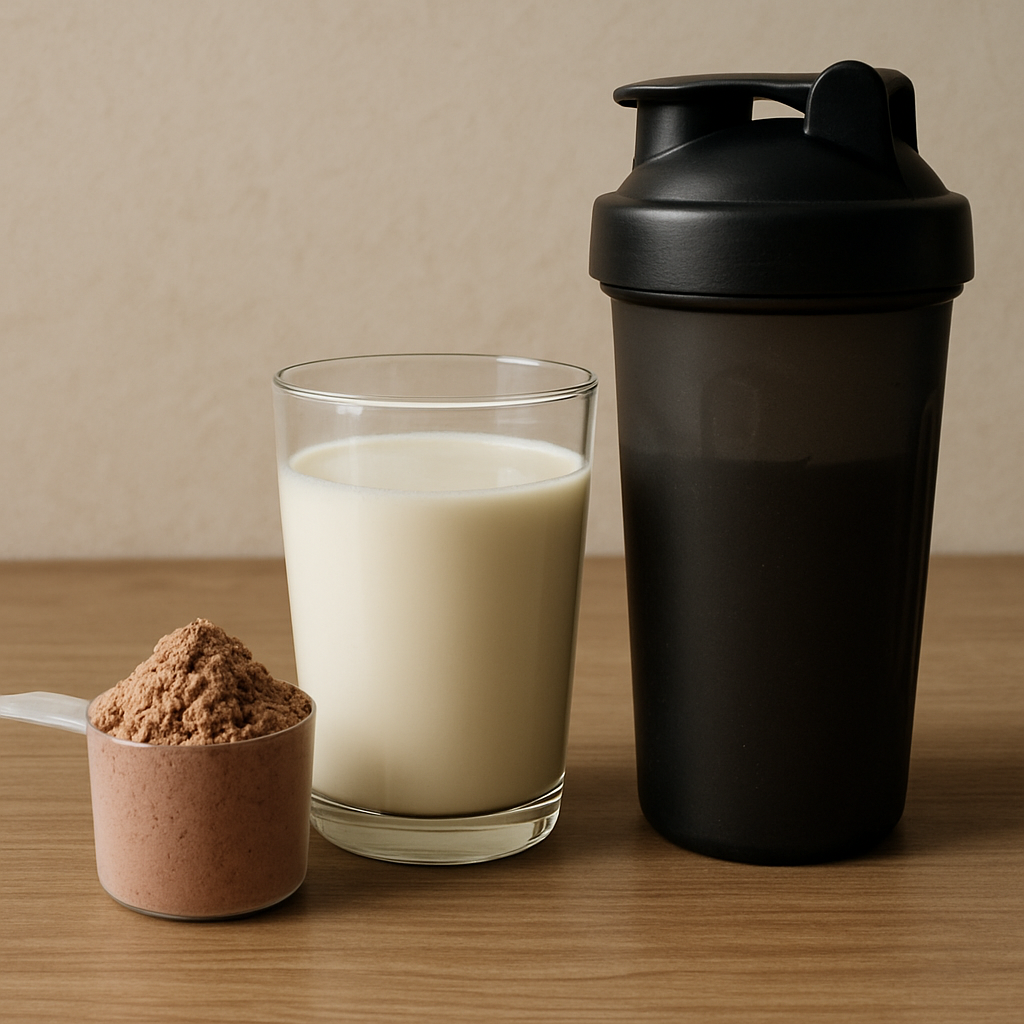
Standard whey protein powder (often labeled as “concentrate”) contains around 70-80% protein, with the remaining percentage made up of fats and carbohydrates (lactose). However, if your primary goal is shedding body fat, you might want to look closer at an isolate. Because it undergoes further processing to remove excess fat and lactose, many fitness experts consider a pure, zero-sugar isolate to be the best whey isolate for female weight loss. It provides maximum protein with minimal caloric baggage.
Exploring Plant-Based Alternatives
A common dilemma for modern consumers is choosing between whey protein vs plant-based alternatives. Not everyone tolerates dairy well, and dietary preferences (like veganism) are incredibly popular. Fortunately, the market offers incredible dairy-free options for sensitive stomachs.
Pea vs. Soy Protein
When looking at a pea protein vs soy protein comparison, both stand out as fantastic plant-based options, but they serve different needs:
- Pea Protein: Highly easily digestible and rich in iron and arginine (an amino acid great for blood flow and heart health). It is hypoallergenic, making it ideal for those with severe food sensitivities.
- Soy Protein: One of the few plant proteins that is a “complete” protein on its own. However, many women hesitate due to outdated myths. Let’s clear the air regarding soy protein safety and estrogen levels: extensive modern research shows that the phytoestrogens (isoflavones) in soy do not act like mammalian estrogen. Moderate consumption of high-quality soy protein is entirely safe, does not cause hormonal disruption, and may actually protect against certain hormone-dependent conditions.
If you have a reactive digestive tract, finding a protein powder that doesn’t cause bloating is a top priority. Plant-based blends containing digestive enzymes, or pure isolates (both whey and plant), are typically your safest bets to avoid abdominal discomfort.
Specialty Proteins: Casein and Collagen
Beyond whey and standard plant proteins, there are a couple of highly specialized supplements that cater to very specific wellness goals.
The Anti-Aging Secret: Collagen
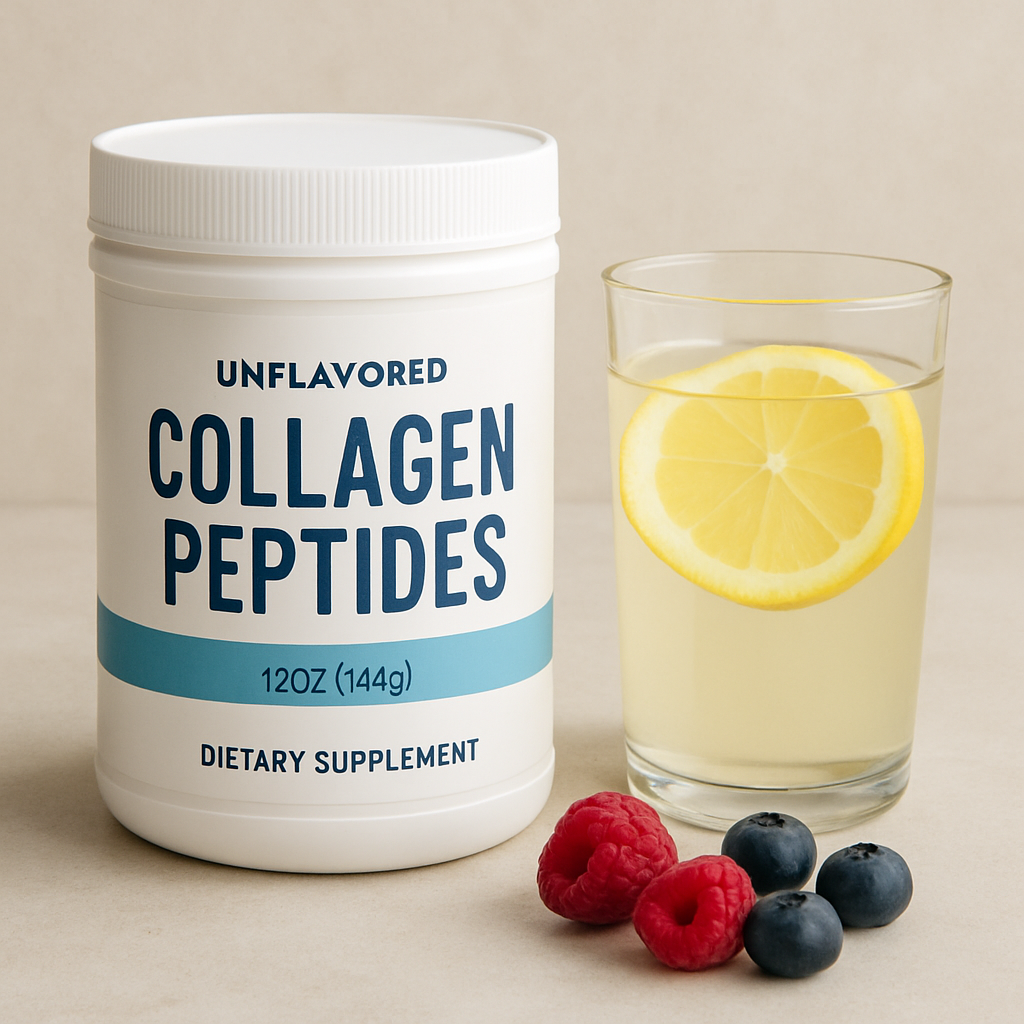
If your goals lean more toward beauty and joint mobility, you should consider utilizing collagen peptides for skin and joint health. Collagen is the most abundant protein in the human body, responsible for the elasticity of your skin, the strength of your hair and nails, and the cushioning in your joints. While it shouldn’t replace your primary muscle-building protein (as it lacks the amino acid tryptophan, making it an incomplete protein), adding a scoop of unflavored collagen to your morning coffee is a phenomenal anti-aging habit.
Overnight Recovery: Casein
While whey absorbs rapidly, casein digests slowly over several hours. For maximum recovery, some female athletes use casein protein for nighttime muscle repair. Consuming a casein shake or pudding before bed provides a slow, steady drip of amino acids to your muscles while you sleep, drastically reducing overnight muscle breakdown and soreness.
Choosing the Best Protein Powder for Your Specific Goals
Everyone wants to know what the absolute best protein powder on the market is. The truth? The best protein powder for women depends entirely on your specific lifestyle, dietary restrictions, and fitness objectives.
- For Fat Loss: The best protein powder for weight loss will be an isolate (whey or plant-based) that contains zero added sugars, no maltodextrin, and ideally under 120 calories per serving.
- For On-the-Go Nutrition: Busy professionals often rely on low carb shakes for meal replacement. If you are substituting a meal, ensure the powder has added fiber, vitamins, and healthy fats (or blend it with avocado and chia seeds) so it keeps you full for hours.
- For the Palate: Adherence is key. If you hate the taste, you won’t drink it. Don’t be afraid to read reviews to find the best tasting protein powder. Many brands now offer incredible flavors like chocolate peanut butter, snickerdoodle, and vanilla bean that taste like milkshakes rather than chalky supplements.
Maximizing Results: Workouts, Recovery, and Recipes
Buying a high-quality supplement is only step one. How you integrate it into your daily routine dictates the results you will see.
Timing is Everything
Proper post-workout recovery for female athletes hinges on macronutrient timing. After a strenuous lifting session or an intense cardio class, your muscle fibers are broken down and your glycogen stores are depleted. Consuming a fast-absorbing liquid protein (like whey or pea isolate) within 45 to 60 minutes after your workout jumpstarts the repair process, significantly reducing delayed onset muscle soreness (DOMS).
Thinking Outside the Shaker Cup
You don’t just have to mix your powder with water and chug it. Learning how to use protein powder in recipes transforms your daily diet, making it infinitely easier to hit your macronutrient goals without getting bored.
Here are a few actionable ways to incorporate protein powder into your meals:
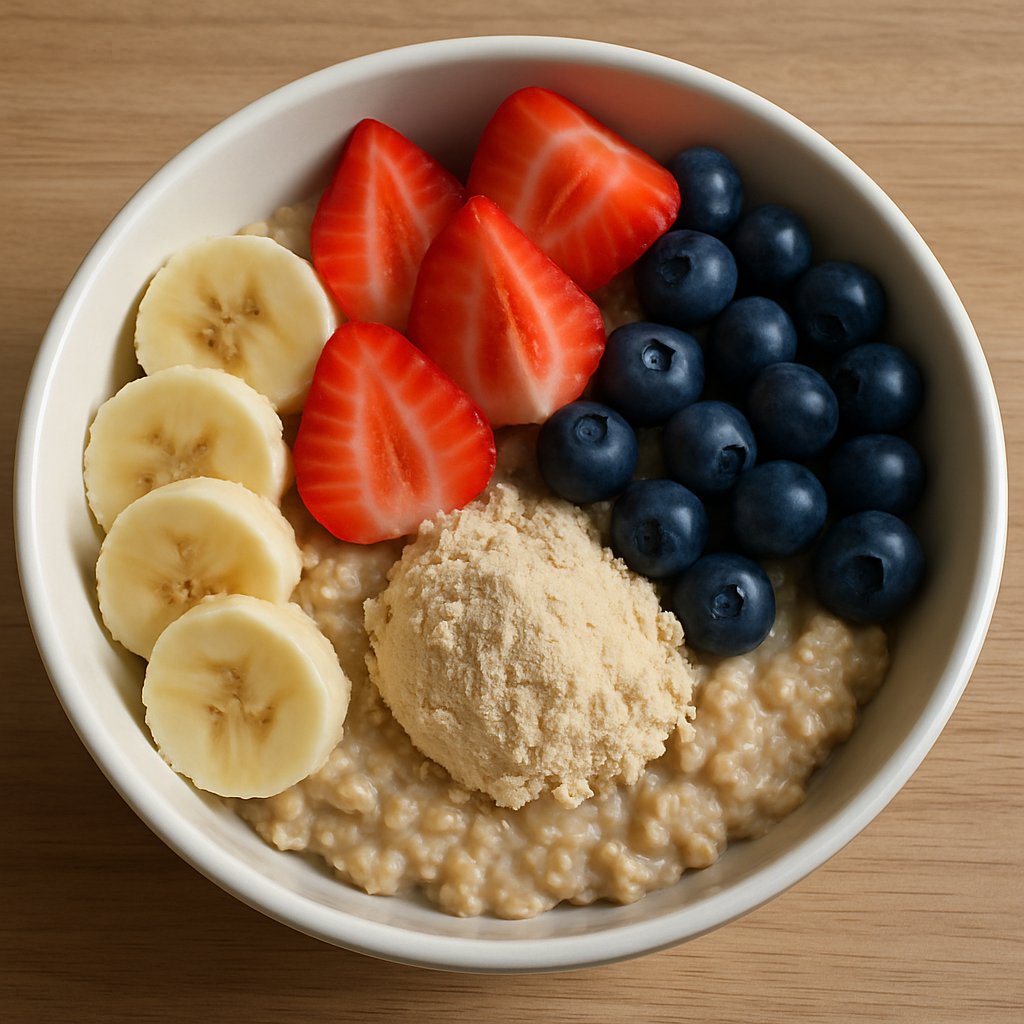
- Pro-Oats: Stir a scoop of vanilla or chocolate powder into your morning oatmeal after it has finished cooking. Top with berries and nuts for a balanced breakfast.
- Protein Pancakes: Mash a banana, add two eggs, and stir in a scoop of protein powder. Cook them like regular pancakes for a high-protein weekend treat.
- Energy Bites: Mix protein powder with rolled oats, peanut butter, dark chocolate chips, and a touch of honey. Roll them into bite-sized balls and store them in the fridge for a quick midday snack.
- Greek Yogurt Parfaits: Stir half a scoop of flavored protein into plain Greek yogurt to double the protein content and add flavor without the excess sugar found in pre-flavored yogurts.
Conclusion
The evolution of sports nutrition has made it incredibly easy for women to take control of their health, body composition, and vitality. Protein supplements for women are no longer a niche market; they are a daily staple for anyone looking to optimize their well-being.
From supporting hormonal balance and boosting female bone density to providing the necessary amino acids for lean muscle tone, the benefits of hitting your daily protein target are immense. Take the time to evaluate your specific goals, test out a few different high-quality options—whether that is a pure whey isolate or a gentle plant-based blend—and find the supplement that makes you feel strong, energized, and ready to tackle whatever the day throws your way.