Walking down the supplement aisle of any health food store can feel like navigating a maze. With rows of giant colorful tubs boasting complex scientific terms, it is entirely normal to feel a bit overwhelmed. If you have ever stared at two seemingly identical containers and wondered, exactly what s the difference between whey protein and whey isolate, you are in the right place.
Understanding the nuances between whey isolate and whey protein is crucial for maximizing your fitness results, optimizing your digestion, and ensuring you get the best value for your money. Let’s dive deep into the world of dairy-based supplements so you can make an empowered, informed choice for your health journey.

The Basics: What is Regular Whey Protein?
Before we can compare the two, we need to understand the source. Milk contains two primary types of protein: casein (about 80%) and whey (about 20%). During the cheese-making process, special enzymes are added to heated milk, causing the casein to curdle and separate. The remaining liquid—which is washed away in traditional cheese making—is raw whey.
This liquid is then filtered and dried to create standard whey protein powder, commonly referred to as whey protein concentrate.
The outstanding biological value of whey protein is what makes it a staple in the fitness community. Biological value (BV) measures how efficiently your body can utilize the protein you consume, and whey scores higher than almost any other whole food, including beef, eggs, and soy.
General whey protein benefits include:
- Convenience: An easy, portable way to hit your daily macro targets.
- Satiety: Protein keeps you feeling fuller for longer, curbing unhealthy cravings.
- Cost-effectiveness: Standard whey is typically the most budget-friendly high-quality protein on the market.
Digging Deeper: What is Whey Protein Isolate?
So, what is whey protein isolate exactly? Think of it as the upgraded, highly purified sibling of standard whey.
To create an isolate, the standard whey concentrate undergoes further processing to strip away excess fats, carbohydrates, and lactose. One of the most popular and effective methods used by premium brands is cross-flow microfiltration. The cross-flow microfiltration process benefits are vast: it operates at low temperatures without harsh chemicals, meaning the structural integrity of the protein remains intact.
Because of this meticulous filtration, whey isolate yields a powder that is 90% or more protein by weight. Despite the extra processing, it maintains a spectacular essential amino acids profile, providing all nine essential amino acids your body cannot produce on its own.
The Core Contrast: Difference Between Whey Protein and Whey Protein Isolate
When you are looking at a protein powder comparison, the choice usually comes down to macronutrient breakdowns and your personal digestion.
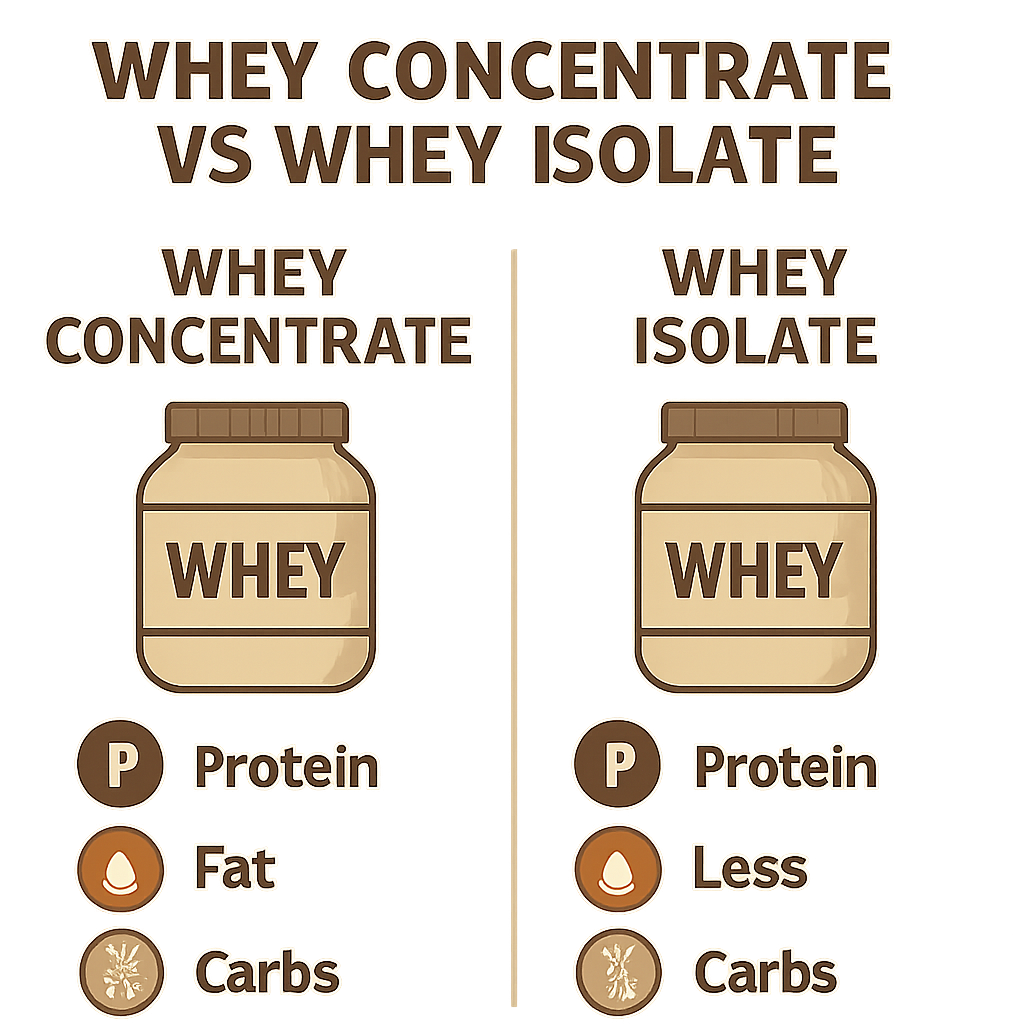
The primary difference between whey protein and whey protein isolate lies in the concentration of the protein itself.
Standard Whey Protein (Concentrate):
- Protein content: Generally ranges from 70% to 80% per scoop.
- Carbs/Fat: Contains slightly higher amounts of natural dairy fats and carbohydrates.
- Calories: Slightly more calorie-dense due to the extra macros.
- Lactose: Contains moderate amounts of lactose.
Whey Protein Isolate:
- Protein content: Contains 90% or more protein per scoop.
- Carbs/Fat: Nearly zero fat and carbohydrates.
- Calories: Extremely lean, offering highly concentrated protein calories.
- Lactose: Less than 1% lactose.
If you are evaluating a protein absorption rate comparison, both are incredibly fast-digesting proteins compared to whole foods like chicken or casein. However, because isolate lacks the fat and carbs that can slow down digestion, it is absorbed slightly faster by the body.
A Quick Note on Hydrolysate
As you shop, you might also spot “hydrolyzed whey.” When looking at hydrolysate vs isolate differences, know that hydrolysate is pre-digested using enzymes to break down the amino acid bonds. This makes it the fastest absorbing protein available, though it often comes with a much higher price tag and a slightly bitter taste. For 99% of athletes, isolate is more than sufficient.
Which One Builds Better Muscle?
When evaluating whey isolate vs concentrate for muscle gain, the truth is that both are incredibly effective. Your muscles do not inherently care whether a protein is an isolate or a concentrate, as long as they are receiving an adequate supply of amino acids.
The magic happens during post-workout muscle protein synthesis—the process where your body repairs the micro-tears created in your muscles during strength training. Both forms of whey are rich in branched-chain amino acids for recovery (BCAAs), specifically leucine, which acts as the metabolic “on-switch” for muscle growth.
Lean Muscle Mass Development Tips
If your goal is to pack on muscle without adding body fat, keep these tips in mind:
- Timing: Consume your protein shake within a few hours of your workout. The “anabolic window” is longer than we once thought, but getting nutrients in promptly is still a best practice.
- Consistency: Overall daily protein intake matters more than supplement timing.
- Progressive Overload: No amount of protein will build muscle if you aren’t consistently challenging your muscles with heavier weights or more reps over time.
While standard whey is great for a bulking phase due to the extra calories, many bodybuilders switch to whey isolate when they are “cutting” (losing fat while maintaining muscle) because it delivers pure protein without spare calories.
Dietary Restrictions and Digestion
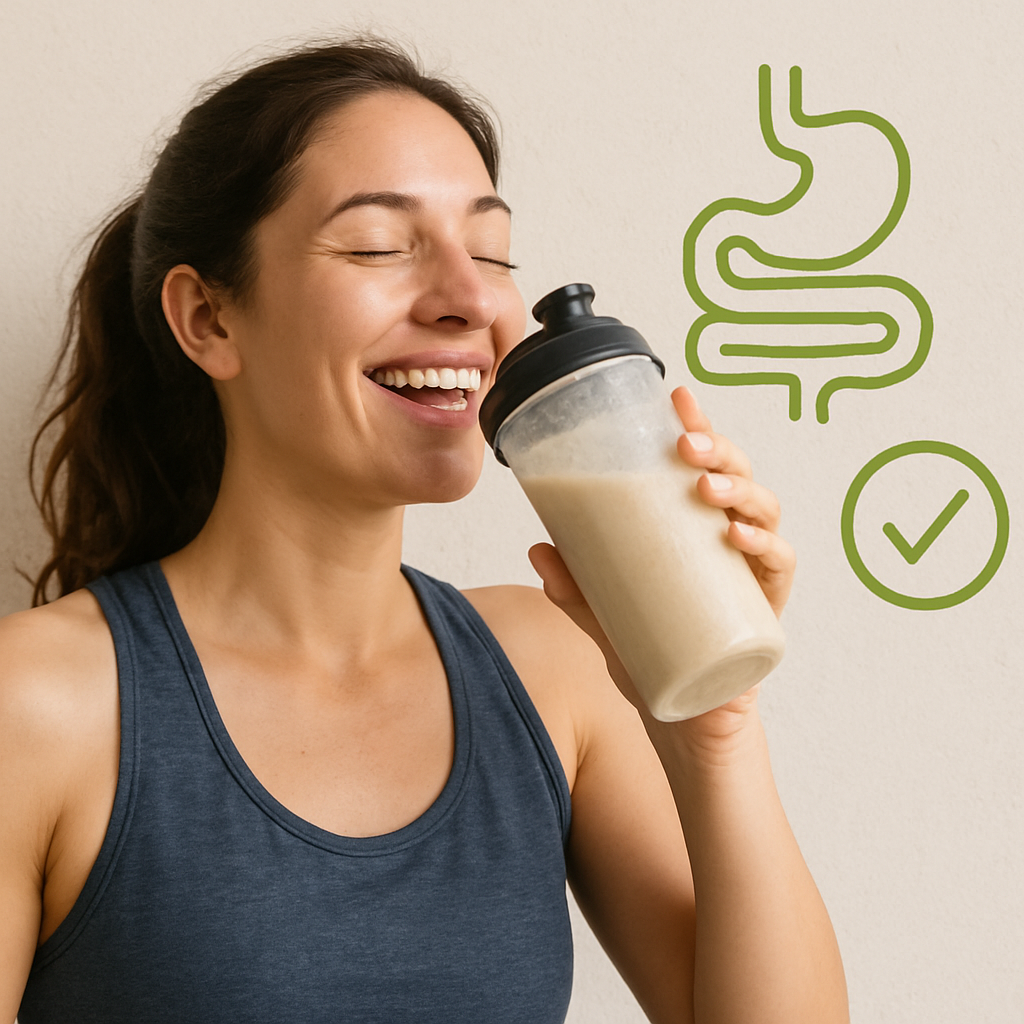
Gut health and digestion are where whey isolate truly shines. A significant portion of the adult population has some degree of difficulty digesting dairy, specifically lactose.
People frequently ask, is whey isolate lactose free? While it is not legally classified as 100% lactose-free, the filtration process removes up to 99% of the lactose. This makes the relationship between whey protein isolate and lactose intolerance very friendly. Most individuals who suffer from bloating, gas, or discomfort with regular dairy can consume whey isolate without any issues whatsoever.
Because it eliminates these digestive irritants, whey isolate is widely considered the best protein powder for sensitive stomachs.
Furthermore, if you are actively tracking macros for a strict diet, isolate is highly advantageous. It is the perfect base for low-calorie protein shakes for weight loss. You can mix a scoop of vanilla or chocolate isolate with unsweetened almond milk and a handful of spinach for a delicious, filling shake that comes in at under 130 calories while delivering 25 grams of pure protein.
How to Choose the Right Protein Supplement for You
Figuring out how to choose the right protein supplement ultimately comes down to your personal goals, budget, and dietary restrictions.
Here is a simple checklist to guide your decision between whey isolate and whey protein:
- Assess Your Digestion: If standard dairy gives you an upset stomach, bloating, or acne breakouts, spend the few extra dollars on whey isolate.
- Evaluate Your Budget: Whey isolate requires more processing, so it is naturally more expensive. If you are on a tight budget and tolerate dairy well, regular whey protein is an absolute powerhouse for the price.
- Check Your Diet Phase: If you are strictly cutting calories for a summer vacation or a bodybuilding show, the zero-carb, zero-fat profile of isolate is ideal. If you are trying to gain weight or just maintain general health, the trace fats and carbs in regular whey are completely fine.
- Look at Source Quality: Whenever possible, seek out the grass-fed whey protein benefits. Grass-fed dairy tends to have a slightly better fatty acid profile, higher levels of omega-3s, and is generally more environmentally sustainable. Plus, it ensures the cows were not raised on standard grain feedlots.
Calculating Your Needs
If you are new to the gym, finding your optimal daily protein intake for beginners is your first step. A general rule of thumb for active individuals is to consume roughly 0.7 to 1 gram of protein per pound of body weight (1.6 to 2.2 grams per kilogram).
For example, a 150-pound person looking to tone up and build strength should aim for 105 to 150 grams of protein daily. While whole foods like chicken breast, Greek yogurt, and lentils should make up the bulk of this intake, supplementing with 1-2 scoops of whey isolate and whey protein can make hitting that daily target effortless and delicious.
Summary
At the end of the day, both whey isolate and whey protein are fantastic tools to help you reach your health and fitness goals.
Standard whey protein offers phenomenal value, great taste, and high-quality muscle-building compounds. Meanwhile, whey protein isolate offers a highly purified, ultra-lean, and easily digestible alternative for those who want to avoid lactose, carbs, and fats.
By understanding your body’s unique digestive needs and your specific caloric goals, you can finally walk down that supplement aisle with confidence, grab the tub that perfectly fits your lifestyle, and start building the stronge