Building muscle is a demanding journey that requires intense training, a meticulously dialed-in diet, and plenty of restorative sleep. However, even the most dedicated lifters eventually hit a plateau where whole foods and gym sessions alone aren’t quite enough to push past the barrier. That is exactly where the best supplements for muscle growth come into play.
While they aren’t magic solutions, the right dietary additions can significantly amplify your hard work, speed up recovery, and improve your overall performance. If you are looking to maximize your genetic potential, understanding which products actually work is essential. Let’s dive deep into the science-backed choices to help you build a stronger, more muscular physique.

The Foundation of Muscle Growth: Protein
You cannot build a house without bricks, and you cannot build muscle without protein. Hitting your daily protein target is the single most important nutritional factor for hypertrophy. While whole foods should make up the bulk of your diet, protein powders offer a convenient, highly bioavailable way to hit your macros.
Whey vs. Casein: Timing Matters
When discussing optimal post-workout nutrition for bodybuilding, whey protein is usually the star of the show. It is fast-digesting, meaning it rushes amino acids to your torn muscle fibers immediately after a grueling workout.
However, looking at whey protein vs casein for muscle recovery, both have distinct advantages. Casein is a slow-digesting dairy protein that forms a gel in your stomach, providing a steady drip of amino acids for up to eight hours.
- Actionable Tip: Take 25-30 grams of whey protein immediately post-workout, and consume 30 grams of casein before bed to prevent muscle breakdown overnight.
Vegan Alternatives
You do not need dairy to build a formidable physique. In recent years, the market for vegan muscle gain supplements has exploded. Modern plant-based protein powders for strength gains—often blending pea, rice, and hemp proteins—provide a complete amino acid profile that rivals whey. They are highly digestible and perfect for those with lactose intolerances.
The Undisputed King: Creatine Monohydrate
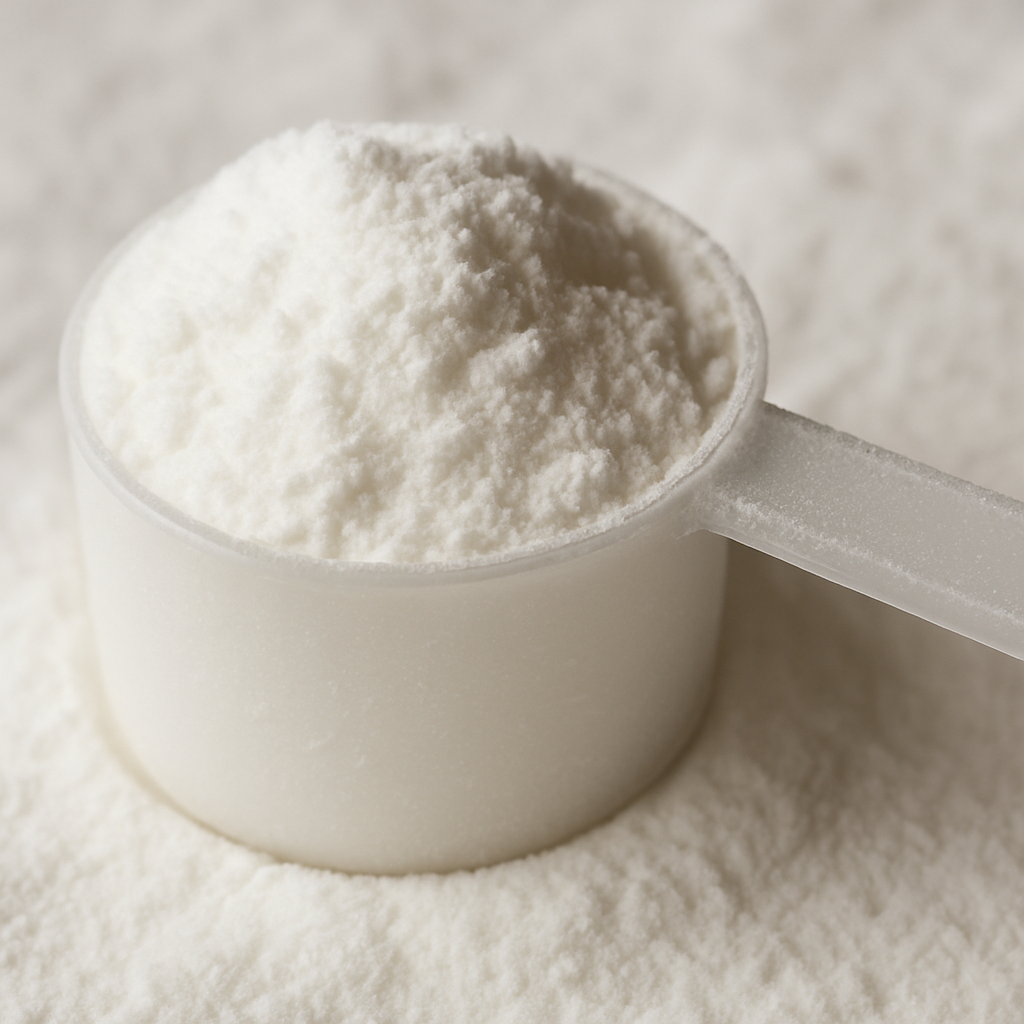
If there is one product that belongs in every athlete’s pantry, it is creatine. As one of the most heavily researched muscle growth supplements in existence, creatine works by increasing your muscles’ phosphocreatine stores. This helps your body produce more ATP (adenosine triphosphate), the primary energy carrier in your cells, allowing you to push out those crucial extra reps during heavy sets.
Getting the Dosage Right
Many lifters overcomplicate this supplement, but the science is clear. When considering the optimal creatine monohydrate dosage for hypertrophy, you do not necessarily need to do a complicated “loading phase.”
- Actionable Tip: Simply take 3 to 5 grams of creatine monohydrate every single day. Consistency is more important than timing, though taking it with a carbohydrate source post-workout may slightly enhance cellular uptake.
Amino Acids: The Building Blocks
Protein is made up of amino acids, but supplementing with specific isolated aminos can trigger biological pathways that whole proteins might take longer to activate.
EAAs for Muscle Protein Synthesis
There are nine essential amino acids that your body cannot produce on its own. Supplementing with essential amino acids for protein synthesis during your workout ensures that your body stays in an anabolic (muscle-building) state, even while you are tearing the fibers down. EAAs are superior to standard BCAAs when it comes to actively building new tissue because they provide all the necessary components for muscle construction.
BCAAs for Recovery
That said, do not count out the three branched-chain amino acids (leucine, isoleucine, and valine) just yet. While they may not build muscle on their own without the other six EAAs, utilizing branched-chain amino acids for soreness reduction is a highly effective strategy. Sipping on a BCAA drink during intense training sessions can delay fatigue and significantly reduce delayed onset muscle soreness (DOMS) the following days.
Enhancing Performance and Endurance
To force muscles to grow, you need to apply progressive overload—lifting heavier weights or performing more reps over time. Performance-enhancing supplements help you achieve this by boosting your energy, focus, and physical endurance.
Pre-Workouts and Beta-Alanine
A common question in the fitness community is: are pre-workout supplements safe for beginners? The answer is generally yes, provided you start with a half-dose to assess your tolerance to stimulants like caffeine. Pre-workouts increase focus and energy, allowing you to train harder.
One of the most important ingredients in a quality pre-workout is beta-alanine, famous for causing a harmless tingling sensation on the skin. The true benefits of beta-alanine for training volume lie in its ability to buffer lactic acid in the muscles. By increasing muscle carnosine levels, beta-alanine delays the “burn,” allowing you to squeeze out 2 or 3 extra reps in the 8-15 rep range. Over time, this increased training volume translates directly to new muscle mass.
The Pump: Nitric Oxide
Blood flow is crucial for nutrient delivery and muscle expansion. Incorporating nitric oxide boosters for vascularity and pump—such as L-Citrulline or Arginine—relaxes your blood vessels. This not only makes your veins pop for a great aesthetic look in the gym but also rushes oxygen-rich blood and nutrients directly to the working muscles, facilitating faster recovery between sets.

Health, Recovery, and Hormonal Support
Often overlooked in the quest for the best muscle building supplements are the foundational health products that keep your body functioning optimally. If your hormones and joints are not healthy, your muscle development will stall.
Vitamins and Healthy Fats
Never underestimate micronutrients. The role of vitamin d in muscle function is vast; it acts more like a hormone in the body and is directly linked to healthy testosterone levels and muscle fiber contraction. Since most of us don’t get enough sunlight, a daily D3 supplement is highly recommended.
Additionally, heavy lifting puts a lot of stress on your joints and connective tissues. Taking high-quality omega-3 fatty acids for muscle inflammation helps soothe aching joints, improves cardiovascular health, and reduces systemic inflammation, allowing you to bounce back faster for your next leg day.
Hormonal Optimization
As we age, testosterone levels naturally decline. While you should avoid illegal synthetics, utilizing natural testosterone boosters for lean mass can help optimize your body’s natural hormone production. Ingredients like Ashwagandha, Fenugreek, and Zinc don’t magically add fifty pounds to your bench press overnight, but they do help create an optimal hormonal environment for recovery and lean tissue accrual, making them excellent supplements for muscle development.
Practical Tips: Stacking and Timing
Buying the right products is only half the battle; knowing how to use them safely and effectively is just as critical.
The Art of Stacking
If you are wondering how to stack supplements for mass gain, the key is creating a routine that supports your biological clock and workout schedule. Here is a simple, highly effective daily stack:
- Morning: Vitamin D3, Omega-3s, and a glass of water.
- Pre-Workout (30 mins before): A pre-workout containing caffeine, beta-alanine, and nitric oxide boosters.
- Intra-Workout: EAAs or BCAAs mixed in water.
- Post-Workout: 5g of Creatine Monohydrate mixed with a fast-digesting Whey Protein shake.
- Before Bed: Casein protein to feed muscles overnight.
Maximizing Absorption
Knowing when to take supplements for maximum absorption ensures you aren’t just flushing your hard-earned money down the drain. Fat-soluble vitamins (like Vitamin D) and Omega-3s should always be taken with a meal containing fats. Conversely, amino acids and pre-workouts are best taken on an empty or semi-empty stomach so they can enter the bloodstream rapidly.
Safety and Side Effects
While looking for a quick fix, some beginners turn to heavily marketed build muscle tablets without reading the labels. Always buy from reputable, third-party-tested brands. The potential side effects of bodybuilding supplements are generally mild when used correctly—such as mild stomach upset from taking too much creatine at once, or the jitters from excessive caffeine.
Always stick to the recommended dosages. Remember that even the absolute best supplements for muscle growth are designed to supplement a solid diet, not replace one. If you experience chronic digestive issues, headaches, or heart palpitations, stop use immediately and consult a healthcare professional.
Conclusion
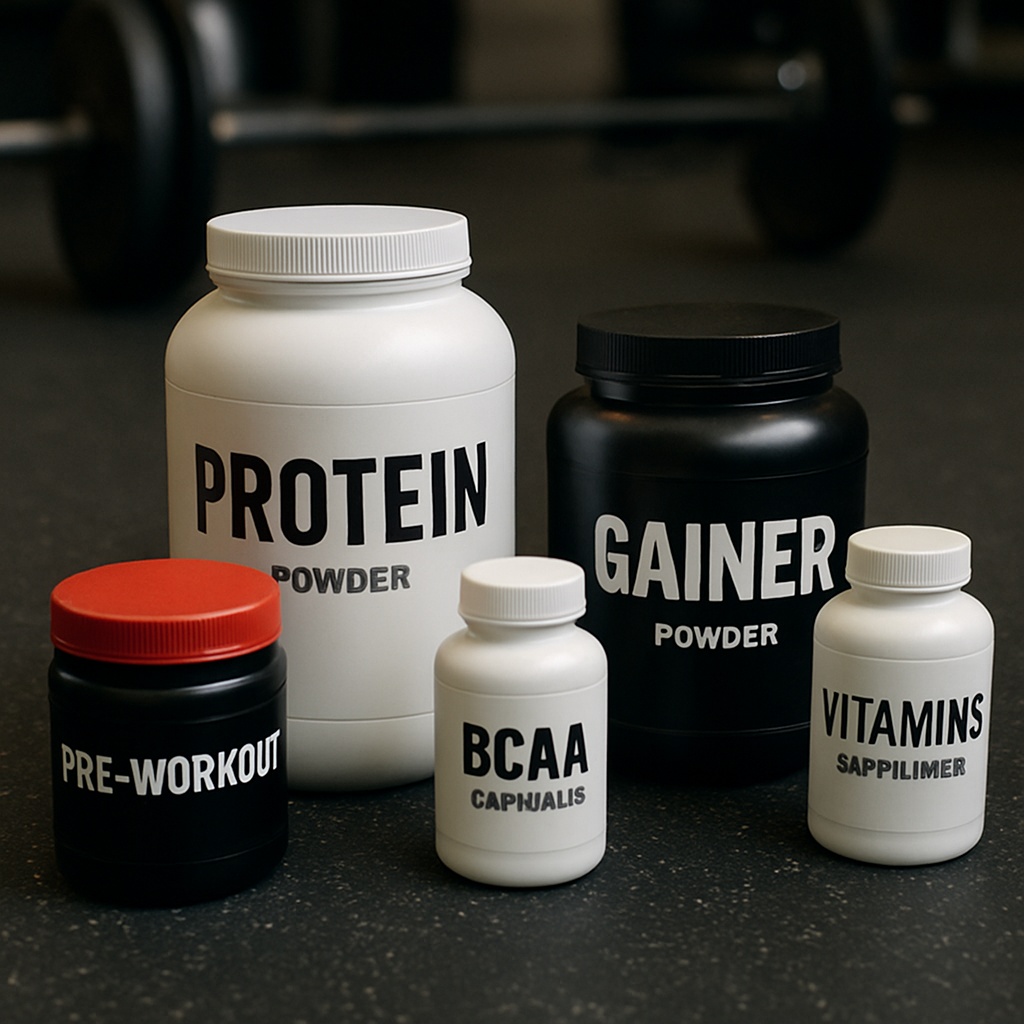
Building a head-turning physique requires patience, heavy lifting, and caloric surplus. By strategically utilizing muscle building supplements, you can give your body the exact raw materials it needs to repair tissue faster, train harder, and grow larger.
Start with the essentials: a high-quality protein powder and a daily dose of creatine. From there, you can explore pre-workouts for intensity, amino acids for recovery, and health-focused vitamins to keep your body running like a well-oiled machine. Stay consistent with your training, keep your nutrition in check, and let these scientifically proven tools help you sculpt the muscular physique you’ve been working so hard for.