Building a stronger, more muscular physique is rarely just about the hours you spend sweating on the gym floor. To forge new muscle fibers, you need high-quality muscle gain protein. While lifting heavy weights provides the necessary physical stimulus, your body ultimately relies on the dietary protein to make muscle tissue.
Whether you are a seasoned bodybuilder or a fitness beginner, navigating the world of nutrition can be overwhelming. From whole foods to specialized supplements, choosing the right fuel dictates your success. This guide will walk you through the science of muscle growth, optimal intake levels, and how to select the right nutrients to maximize your gains.
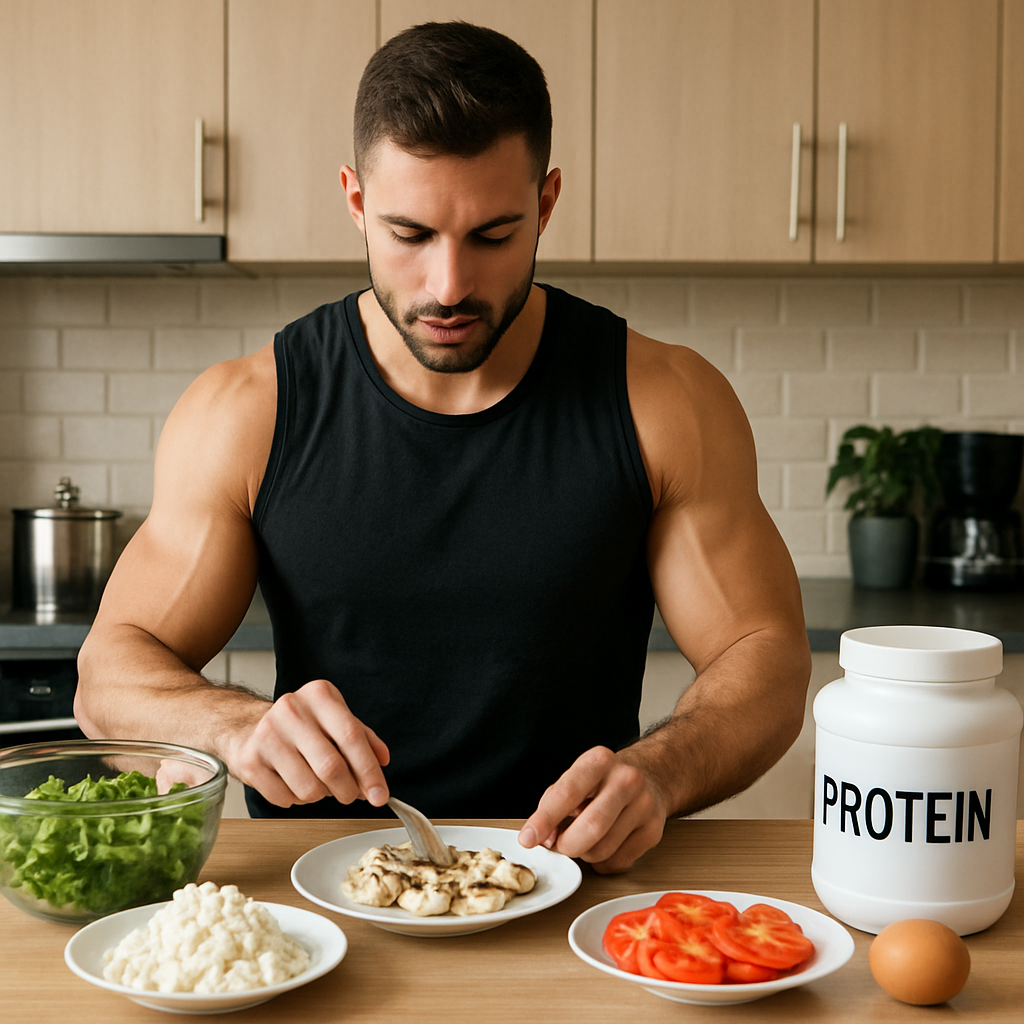
The Science of Muscle Growth and Amino Acids
Before analyzing specific food groups, it is crucial to understand how your body builds mass. When you engage in intense resistance training, you cause microscopic damage to your muscle fibers. Your immune system then kicks in to clear out the damaged cells, making way for the repair process.
This process is governed by specific myofibrillar protein synthesis triggers. Mechanical tension (lifting weights) is the primary physical trigger, but it cannot work alone. Your body must have an adequate supply of essential amino acids for tissue repair. Because your body cannot produce these nine essential amino acids internally, they must be sourced entirely from your diet.
Furthermore, consistent muscle growth relies on maintaining a positive nitrogen balance for anabolic state. Protein is the only macronutrient that contains nitrogen. If you consume more nitrogen than you excrete through sweat and waste, your body remains in an anabolic (muscle-building) environment. If you burn off more than you consume, you slip into a catabolic state, meaning your body begins breaking down hard-earned muscle for energy.
How Much Protein Do You Actually Need?
For decades, athletes and researchers debated the optimal protein intake for hypertrophy (the scientific term for muscle growth). Today, the consensus in sports science is much clearer.
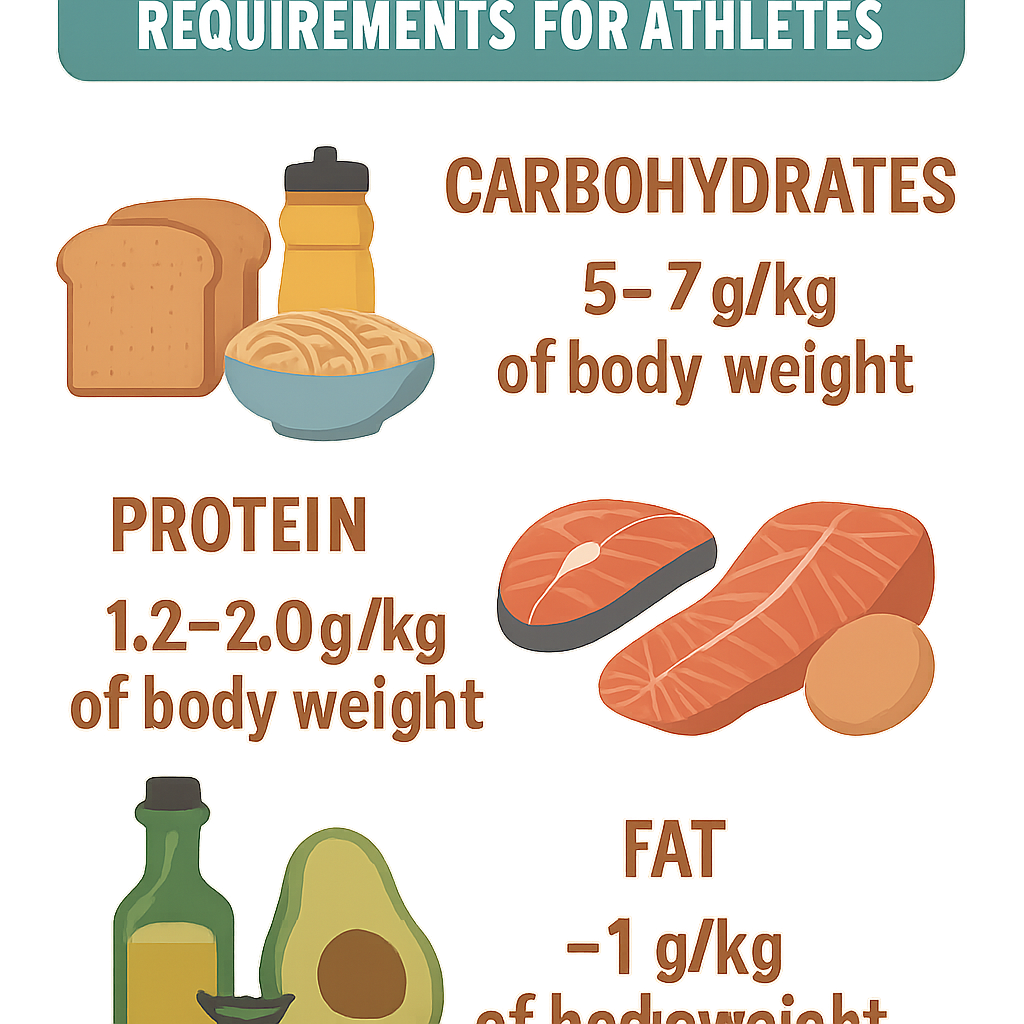
The standard protein requirements for strength training athletes typically fall between 1.6 to 2.2 grams of protein per kilogram of body weight (roughly 0.7 to 1 gram per pound of body weight). For a 180-pound individual, this translates to roughly 130 to 180 grams of protein daily.
Before you start buying groceries or supplements, spend time calculating daily macronutrient requirements. A proper macronutrient breakdown ensures you are eating enough protein to support repair, enough carbohydrates to fuel your workouts, and enough healthy fats to regulate hormone production.
Actionable Tips for Hitting Your Targets:
- Track your food: Use a food diary or tracking app for the first few weeks to understand your baseline intake.
- Spread it out: Aim to divide your total protein intake evenly across 4 to 5 meals throughout the day.
- Prep in advance: Cook batches of lean meats or plant-based proteins twice a week to avoid missing your macros on busy days.
Whole Foods: Building Your Foundation
When examining the best source of protein for building muscle, real, unprocessed whole foods should always be your foundation. Whole foods provide not just amino acids, but also vital micronutrients, vitamins, and minerals that support overall health and recovery.
You should prioritize dietary sources of complete proteins, meaning foods that contain all nine essential amino acids in sufficient quantities.
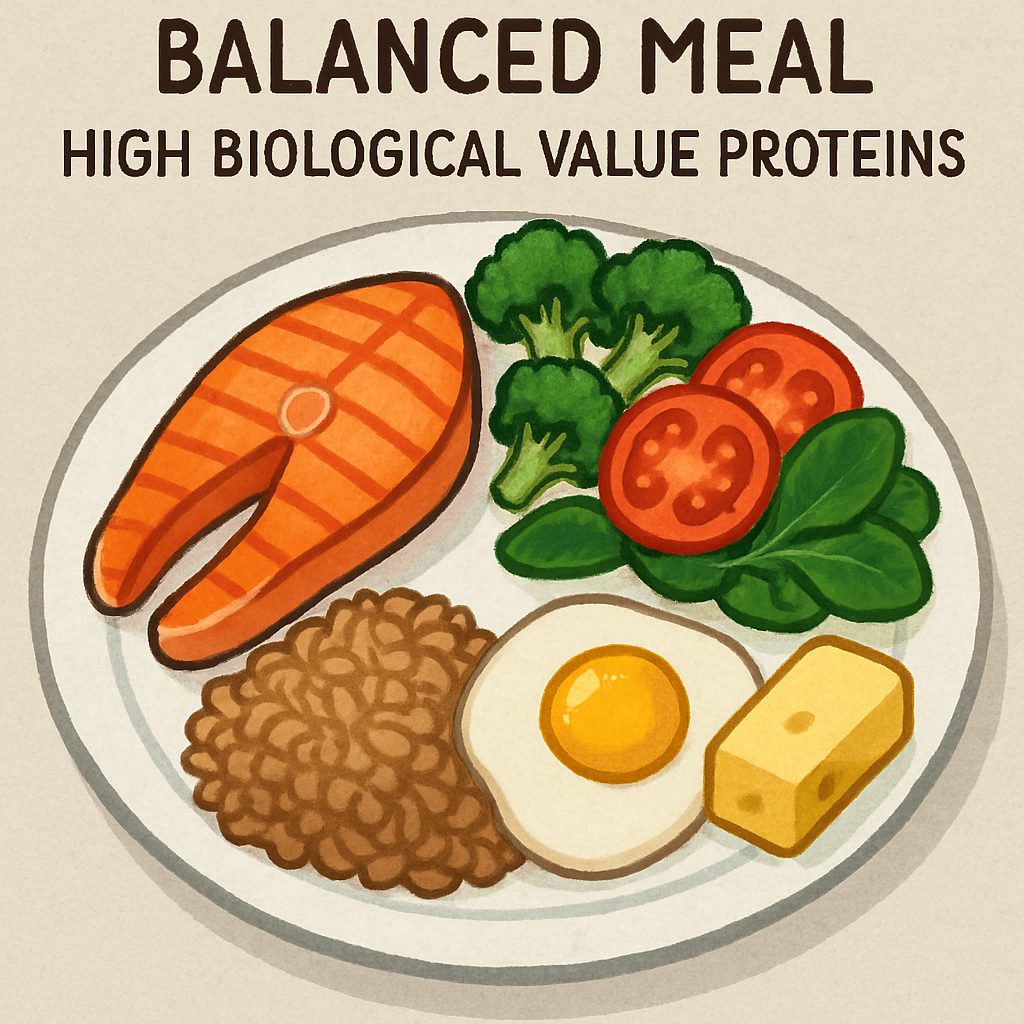
The High Biological Value Food List
Biological Value (BV) measures how efficiently your body utilizes the protein you consume. Here is a high biological value food list to incorporate into your daily diet:
- Whole Eggs: Often considered the gold standard of protein, eggs are packed with healthy fats, B vitamins, and high-quality amino acids.
- Chicken and Turkey Breast: Extremely lean and highly versatile, offering roughly 25-30 grams of protein per 4-ounce serving.
- Lean Beef: Beef is rich in iron, zinc, and natural creatine, all of which support strength and muscle volume.
- Fish (Salmon and Tuna): Fatty fish provide omega-3 fatty acids, which help reduce joint inflammation and support cardiovascular health.
- Dairy (Greek Yogurt and Cottage Cheese): Rich in calcium and slow-digesting proteins, dairy is a staple for heavy lifters.
Plant Based Versus Animal Protein Sources
A common debate in the fitness community revolves around plant based versus animal protein sources. Animal proteins naturally possess a complete amino acid profile and high bioavailability. Plant proteins, such as lentils, chickpeas, beans, and nuts, are incredibly nutritious and rich in fiber, but they are often incomplete—meaning they lack one or more essential amino acids.
If you follow a vegan or vegetarian lifestyle, you can absolutely build impressive muscle. The key is combining complementary plant proteins (like rice and beans) or leaning heavily on complete plant sources such as tofu, tempeh, quinoa, and edamame.
Protein Powders and Supplements
Eating large amounts of chicken breast or tofu every single day can become tedious and difficult on the digestive system. This is where a high-quality muscle building protein powder steps in.
Using protein powders to build muscle is a convenient, cost-effective, and highly efficient way to hit your daily macronutrient targets. Furthermore, protein shakes for building muscle mass are incredibly versatile—they can be mixed with water on the go, blended into fruit smoothies, or stirred into oatmeal.
When searching for the absolute best protein for muscle growth, you will encounter several different varieties. The key is understanding how they interact with your body.
Fast Absorbing Versus Slow Digesting Proteins
One of the most important concepts in sports nutrition is understanding fast absorbing versus slow digesting proteins. Not all protein acts the same way once it enters your stomach.
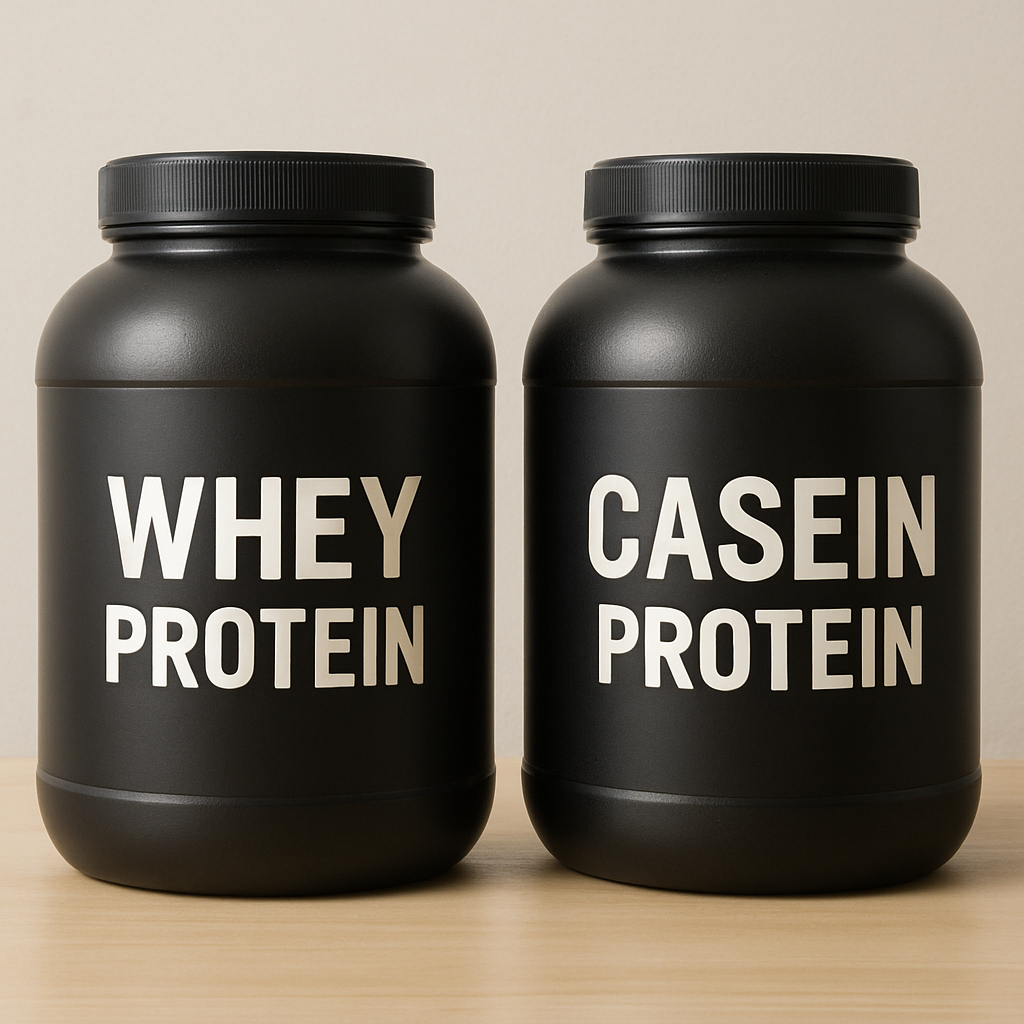
This brings us to the classic debate of whey vs casein for post-workout and daily use.
- Whey Protein: This is a byproduct of cheese production and is the king of fast absorption. Within 20 to 30 minutes of drinking a whey protein shake, your bloodstream is flooded with amino acids. This makes whey the superior protein for gaining muscle mass immediately after an intense workout when your muscles are starved for nutrients.
- Casein Protein: Also derived from dairy, casein behaves completely differently. Upon entering the stomach, it forms a gel-like substance that takes several hours to break down. This slow release makes casein the ultimate tool for preventing muscle breakdown during sleep. Drinking a casein shake or eating cottage cheese before bed provides your body with a steady trickle of amino acids throughout the night, ensuring you wake up in a recovered state.
Timing and Triggers: Maximizing Absorption
Now that you know what to eat, the final piece of the puzzle is when and how to eat it.
The Anabolic Window Myth vs Reality
For years, gym culture dictated that you had to chug a protein shake within exactly 30 minutes of finishing your last set, or your workout was entirely wasted. Let’s look at the anabolic window myth vs reality.
Modern sports science shows that the anabolic window—the period where your muscles are primed to absorb nutrients—actually lasts for 24 to 48 hours after resistance training. You do not need to rush to the locker room to down a shake instantly. However, post-workout nutrition timing for recovery still matters. Consuming a protein-rich meal or shake within a few hours of training is optimal. This replenishes depleted glycogen stores and swiftly transitions your body from a catabolic (muscle breakdown) state back to an anabolic state.
The Power of Leucine
Total daily protein matters most, but the composition of your individual meals dictates how efficiently you grow. To trigger maximum muscle synthesis, your meal must cross the leucine threshold for muscle growth.
Leucine is a specific branched-chain amino acid (BCAA) that acts as a direct signaling molecule to your muscle cells, turning on the biological pathways responsible for building new tissue (specifically the mTOR pathway). To successfully flip this “on” switch, you generally need to consume 2.5 to 3 grams of leucine in a single sitting.
Fortunately, you don’t need to overthink this or buy expensive isolated leucine supplements. Consuming 25 to 35 grams of high-quality protein (like a scoop of whey, a chicken breast, or a generous portion of firm tofu) naturally contains enough leucine to maximize muscle protein synthesis for that meal.
Conclusion
Maximizing your physical potential requires dedication in the gym and precision in the kitchen. Remember that your body relies on the raw materials you provide it. By consistently meeting your total daily protein requirements, prioritizing high-quality whole foods, strategically utilizing supplements like whey and casein, and ensuring each meal has enough amino acids to trigger growth, you set the stage for optimal recovery. Stay consistent, lift heavy, fuel smartly, and watch your muscle growth